





























































What Should You Eat on the First Day and During the First Week With Braces?
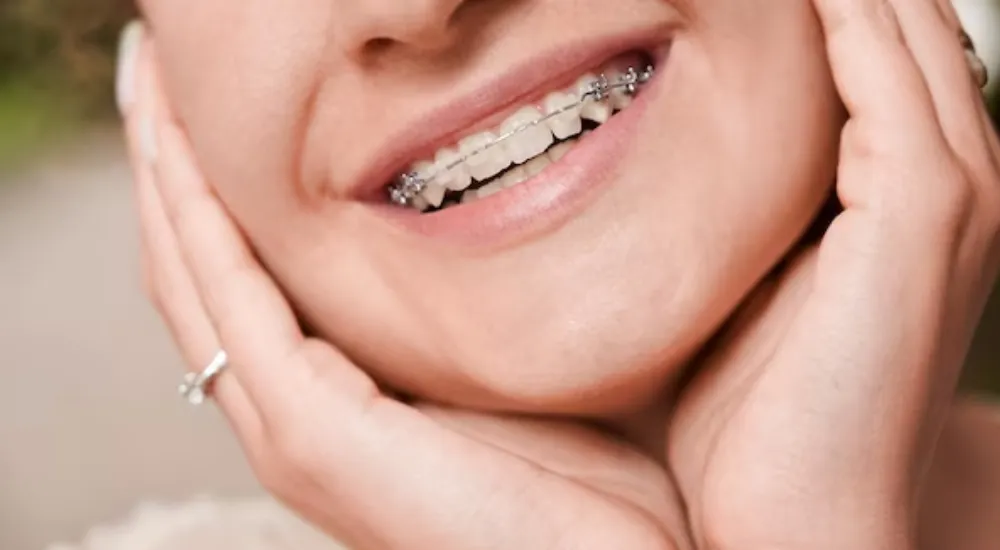
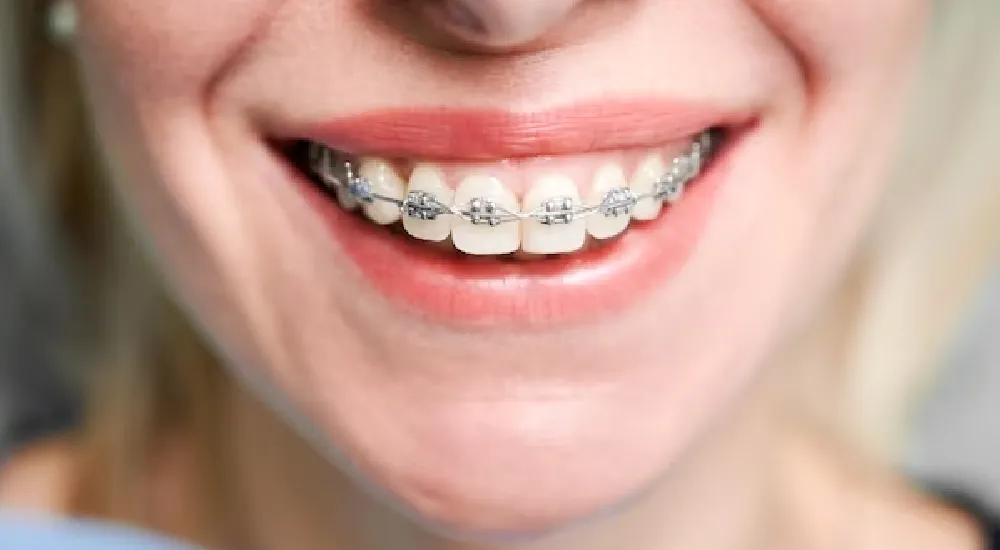
During the first few days after fixed braces are fitted, it is common to feel pressure, tenderness, or discomfort when biting. Soft, easy-to-chew foods such as soups, yoghurt, eggs, mashed vegetables, well-cooked pasta, and tender vegetables are usually more comfortable. The goal is not only to reduce soreness but also to avoid unnecessary forces on the brackets and archwire while still eating a varied and nutritious diet.
You do not need to stay on a completely liquid diet for the whole first week. As sensitivity decreases, food texture can be increased gradually. Very hard nuts, popcorn, thick bread crusts, ice cubes, hard sweets, caramel, and very sticky foods can loosen a bracket or distort the wire and should therefore remain limited even after the initial adjustment period.
Food precautions are not limited to the first few days of orthodontic treatment. At the beginning, tooth sensitivity is the main issue. Later, protecting the appliance becomes the priority. Even when your diet feels almost normal again, it is safer to cut apples, carrots, thick sandwiches, and other firm foods into small pieces instead of biting straight into them with the front teeth.
What Can You Eat on the First Day After Getting Braces?
On the day the brackets are bonded and the first orthodontic archwire is placed, the procedure itself usually does not cause significant pain. Sensitivity often begins a few hours later as the teeth start responding to orthodontic forces. Biting or chewing can then feel pressurised or tender, so the first meals are usually easier when they contain soft foods that require little chewing.
Yoghurt, soft cheese, soups, mashed potatoes or vegetables, soft omelettes, banana, avocado, porridge, well-cooked pasta, and soft rice are all suitable first-day options. Hot foods do not directly damage braces, but if the cheeks or lips have been irritated by rubbing against the brackets, lukewarm or cool meals may feel more comfortable.
On the first day, try not to rely only on drinks or very low-calorie foods. Meals should still provide protein and enough energy. For example, soup can be combined with yoghurt, eggs, or soft cheese, while mashed vegetables can be paired with tender fish, minced meat, or another easy-to-chew protein source.
|
Period |
Foods to choose |
What to watch for |
|
First day |
Yoghurt, soup, purée, egg, banana, very soft pasta, avocado |
Avoid foods that require a strong bite and very sticky products. |
|
Days 2 to 3 |
Well-cooked vegetables, soft rice, fish, minced meat, cheese, soft bread |
While the teeth remain tender, take small bites and avoid biting firmly with the front teeth. |
|
Rest of the first week |
Meals close to your usual diet but still easy to chew and braces-friendly |
Continue to avoid very hard, crunchy, or sticky foods and increase texture gradually. |
What Should You Eat During the First Week With Braces?
After two or three days, sensitivity often begins to improve and chewing becomes more comfortable. At that point, you do not need to stay on soups and purées alone. Well-cooked vegetables, very tender chicken, minced meat, fish, eggs, pasta, rice, soft cheeses, yoghurt, and ripe fruit can gradually be reintroduced.
Fruit and vegetables do not need to be removed from the diet. Firm foods such as apples and carrots simply should not be bitten directly with the front teeth. Cut them into thin slices or small pieces and chew them with the back teeth. Softer fruits such as ripe pears or peaches can also be eaten once cut up. This approach helps maintain fibre and vitamin intake without placing sudden force on the brackets.
How meat is prepared also matters. Instead of large, fibrous, difficult-to-chew pieces, choose meat that is finely cut, minced, or cooked long enough to become tender. Sandwiches, burgers, or pizza that would normally require a large bite with the front teeth can also be cut into smaller pieces.
Even if sensitivity has almost disappeared by the end of the first week, foods that can damage braces do not become risk-free. Biting hard sweets, chewing ice, cracking nuts with the teeth, biting hard unpopped popcorn kernels, or eating sticky caramel can cause mechanical problems at any stage of treatment.
Example Meal Ideas for the First Week
The menu below is a general example for an adult without specific dietary restrictions. If you have diabetes, coeliac disease, food allergies, kidney disease, or another nutritional requirement, meals should be adapted to the advice of your doctor or dietitian.
-
Breakfast: soft omelette, soft cheese, yoghurt, and mashed banana or well-cooked porridge.
-
Snack: yoghurt, soft fresh cheese, a smoothie without hard pieces, or fruit compote.
-
Lunch: lentil or vegetable soup, well-cooked pasta or rice, and tender fish or minced meat.
-
Snack: mashed avocado, soft cheese, banana, or a low-sugar dairy dessert.
-
Dinner: mashed vegetables, well-cooked vegetables, egg, fish, or very tender chicken cut into small pieces.
For snacks, choose foods that are less likely to catch around or pull on the brackets, such as yoghurt, fruit compote, banana, soft cheese, chopped boiled egg, avocado, or very soft cake. Frequent sugary snacking should still be limited because plaque can collect more easily around brackets and increase the risk of enamel demineralisation and tooth decay.
Eating Tips to Reduce Discomfort During the Adjustment Period
After braces are fitted, and after some adjustment appointments, the teeth are exposed to a light but continuous force. Tenderness when biting may therefore return for a few days. Reducing chewing effort is one of the simplest ways to make this period more comfortable.
-
Cut foods into small pieces and avoid tearing very firm foods with the front teeth.
-
During the first few days, try cool or room-temperature foods. If the lining of the mouth is irritated, very hot foods may be less comfortable.
-
Avoid very hard bread, whole nuts, ice cubes, hard sweets, and extremely crunchy foods.
-
Limit sticky sweets and caramel, which can pull on brackets and wires.
-
After each meal, remove food debris around the brackets with a toothbrush and the interdental cleaning aids recommended to you.
-
If a bracket rubs against the cheek or lip, orthodontic wax can help. If a wire is poking or a bracket comes loose, contact the clinic.
Cool water or other cool drinks can provide temporary relief for some patients. However, drinks that are very sugary or acidic and sipped throughout the day increase the risk of enamel damage. Water should remain the main drink. Milk or unsweetened drinks can also be included according to individual dietary habits.
Frequently Asked Questions About Braces and the First Week
When Does Pain Start After Braces Are Fitted and How Can It Be Relieved?
The fitting procedure itself usually does not cause significant pain. Tenderness may begin a few hours later and can be more noticeable during the first 24 to 72 hours. In most patients, it then decreases gradually. Eating softer foods, avoiding hard biting, and following your orthodontist’s advice for pain control when needed can make this period easier.
Severe pain that does not improve, unusually intense sensitivity in a single tooth, a wire that is badly injuring the lining of the mouth, or a clearly broken part of the appliance should be reported so that a problem other than routine adjustment discomfort can be ruled out.
Can Eating Only Soft Foods During the First Week Cause Nutrient Deficiencies?
A soft diet does not automatically mean a nutritionally poor diet. Eggs, yoghurt, fresh cheese, fish, minced meat, mashed pulses, well-cooked vegetables, bananas, avocado, and oats can provide a wide range of nutrients while remaining easy to chew. The main risk arises when someone eats only very light soups, juices, or a few low-protein foods for several days.
During the first week, it is usually enough to keep meals balanced with a source of protein, fruit or vegetables, carbohydrate, and adequate fluids. People with specific nutritional needs should follow advice from their doctor or dietitian.
Which Drinks Can Help With Tooth Sensitivity During the First Few Days?
Water, cool milk, and unsweetened drinks are generally easy to tolerate. Some people find that a cool drink temporarily reduces sensitivity. Very hot drinks may feel uncomfortable if the soft tissues are irritated. On the other hand, frequently drinking fizzy drinks, acidic juices, or other sugary beverages increases the risk of demineralisation around brackets and is therefore not recommended during orthodontic treatment.
What Are the Most Practical Snacks That Do Not Easily Get Stuck in Braces?
Yoghurt, soft fresh cheese, banana, avocado, soft cheese, eggs, low-sugar dairy desserts, and soft fruit cut into small pieces are practical options. If you make a smoothie, avoid large pieces, very hard pips, or seeds that can easily lodge around the appliance. During the first few days, softer sources of protein and healthy fats are often easier to eat than whole nuts.
How Should You Return to a Normal Diet After the First Week?
As sensitivity decreases, gradually increase the texture of meals. Rather than returning immediately to very hard foods, start with familiar meals cut into small bites, slice firm fruit and vegetables, and avoid taking large bites with the front teeth. If chewing still causes clear pain, return to softer foods for a few more days before trying again.
Returning to a normal diet does not mean every food can be eaten exactly as before. Very hard or sticky products that can loosen a bracket or distort the wire should remain limited throughout orthodontic treatment.
The first week is mainly an adjustment period. Starting with soft but nutritious foods and then gradually widening the diet as sensitivity settles usually makes the process more comfortable. This content is for general information only. Personalised advice from your orthodontist should take priority, particularly according to the type of appliance and your oral health.