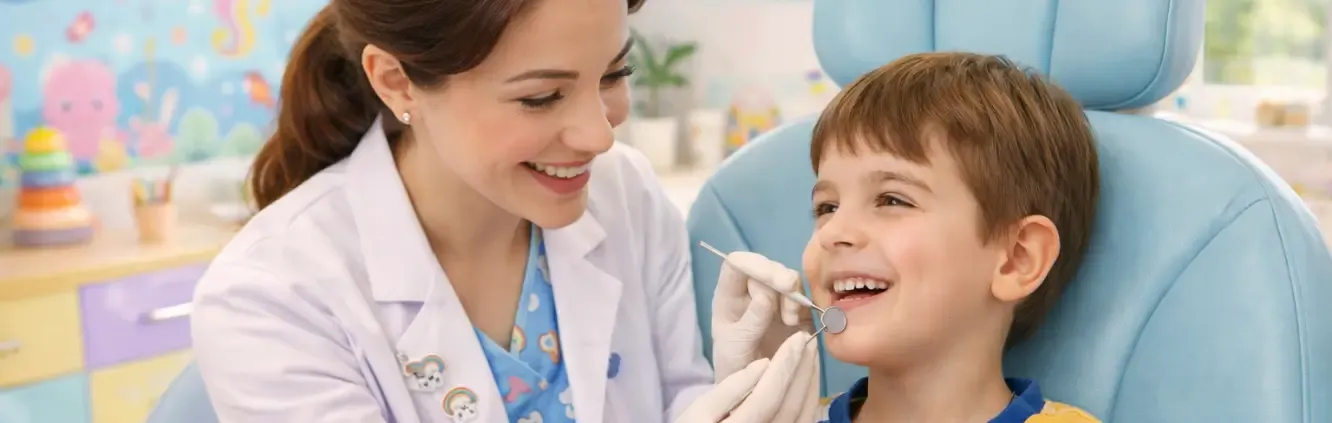
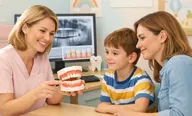
Children’s oral health is not only about treating existing dental problems. Early dental care plays a crucial role in
the healthy development of baby teeth, the proper guidance of jaw growth and the correct eruption of permanent teeth. Paediatric dentistry focuses on monitoring and protecting children’s oral health from infancy until around the age of 11–12.
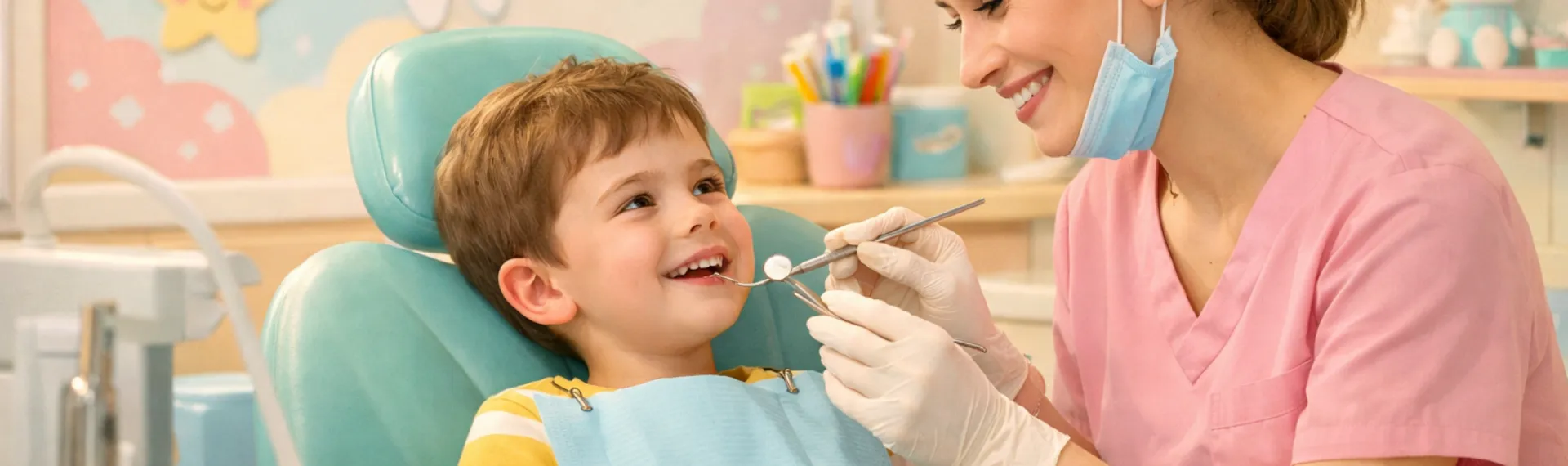
At Dentopol, paediatric dental assessments are planned according to the child’s age, dental development and individual risk of tooth decay. Our clinics in Istanbul Maltepe and Ümraniye provide specialised paediatric dental care designed to ensure a calm and comfortable treatment experience for children, while also considering their psychological comfort.
Parents travelling from the UK can request information about their child’s dental evaluation or schedule a consultation with our paediatric dental team.
What Is Paediatric Dentistry and Why Is Children’s Dental Care Important?
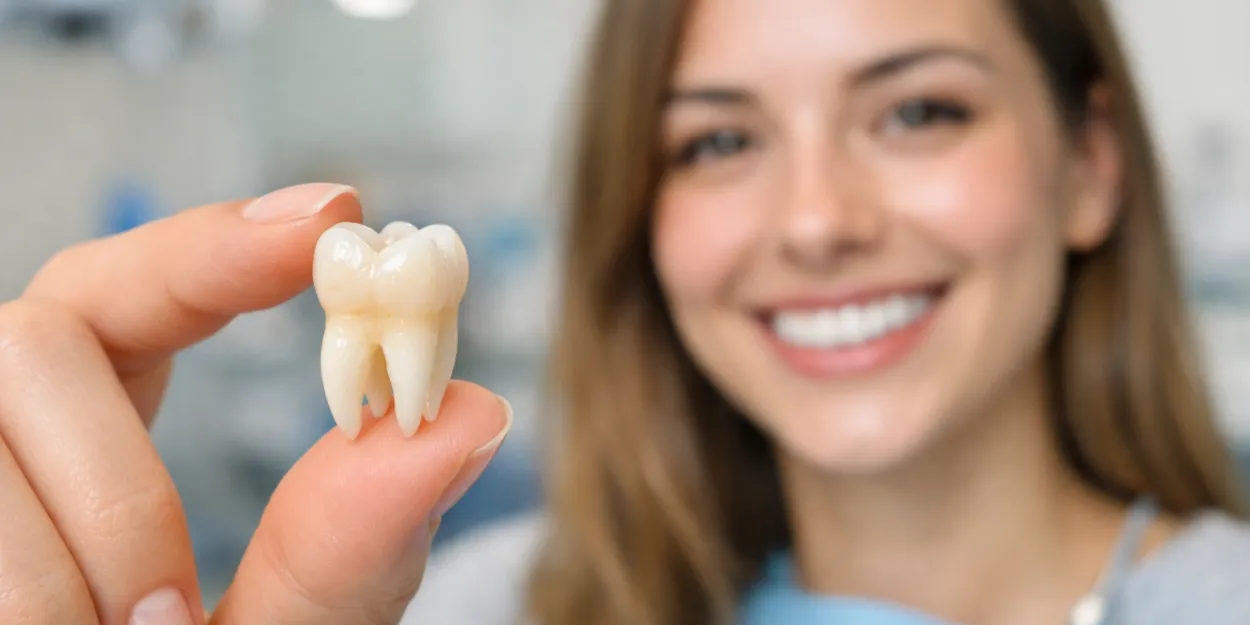
Paediatric dentistry focuses on protecting baby teeth, monitoring the eruption of permanent teeth, supporting healthy jaw development and helping children develop proper oral hygiene habits. Although baby teeth are temporary, they play an essential role in:
- Chewing and proper nutrition
- Speech development
- Guiding permanent teeth into the correct position
- Balanced jaw development
Untreated decay in baby teeth can lead to pain, infection and early tooth loss. This may increase the risk of orthodontic problems later in life.
When Should a Child Have Their First Dental Check-Up?
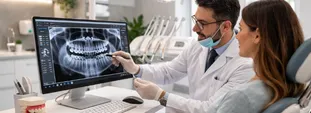
The first dental examination is usually recommended when the first tooth appears, or at the latest around the age of one.
During this initial evaluation:
- Oral development is examined
- The risk of tooth decay is assessed
- Parents receive guidance on nutrition and oral hygiene
- Preventive care needs are determined
Early dental visits help identify potential problems before they become more complex.
Preventive Dentistry for Children
The primary focus of paediatric dentistry is prevention. The goal is to reduce the risk of cavities before they develop.
Common preventive treatments include:
- Fissure sealants
- Fluoride applications
- Regular dental check-ups
- Caries risk assessment
- Oral hygiene education for children and parents
These preventive measures can significantly reduce the likelihood of tooth decay, particularly in children who are more prone to cavities.
Why Is It Important to Preserve Baby Teeth?
Premature loss of baby teeth may cause neighbouring teeth to shift into the empty space. This can interfere with the proper eruption of permanent teeth and may increase the need for orthodontic treatment in the future.
Depending on the situation, treatment options may include:
- Fillings for baby teeth
- Root canal treatment for baby teeth
- Space maintainers
Whenever possible, the goal is to preserve the natural tooth and maintain proper dental development.
Dental Trauma in Children
Falls and accidents during childhood can sometimes lead to fractured or displaced teeth. Early evaluation is important in such situations. When dental trauma is assessed quickly, the chances of preserving the affected tooth are significantly higher. Parents are advised to contact a dentist promptly after any dental injury.
Early Orthodontic Assessment in Children
In some cases, monitoring jaw development and tooth alignment at an early age can be beneficial. An orthodontic evaluation is generally recommended around 6–7 years old.
Early assessment may help detect:
- Jaw development issues
- Early signs of crowding
- Bite problems
Identifying these issues early can allow for more effective treatment planning.
Who Is Paediatric Dental Care Suitable For?
- Children with visible decay or colour changes in baby teeth
- Children experiencing tooth pain
- Dental injuries following falls or trauma
- Parents who want regular preventive dental check-ups for their child
Early evaluation can help prevent more complex treatments in the future.