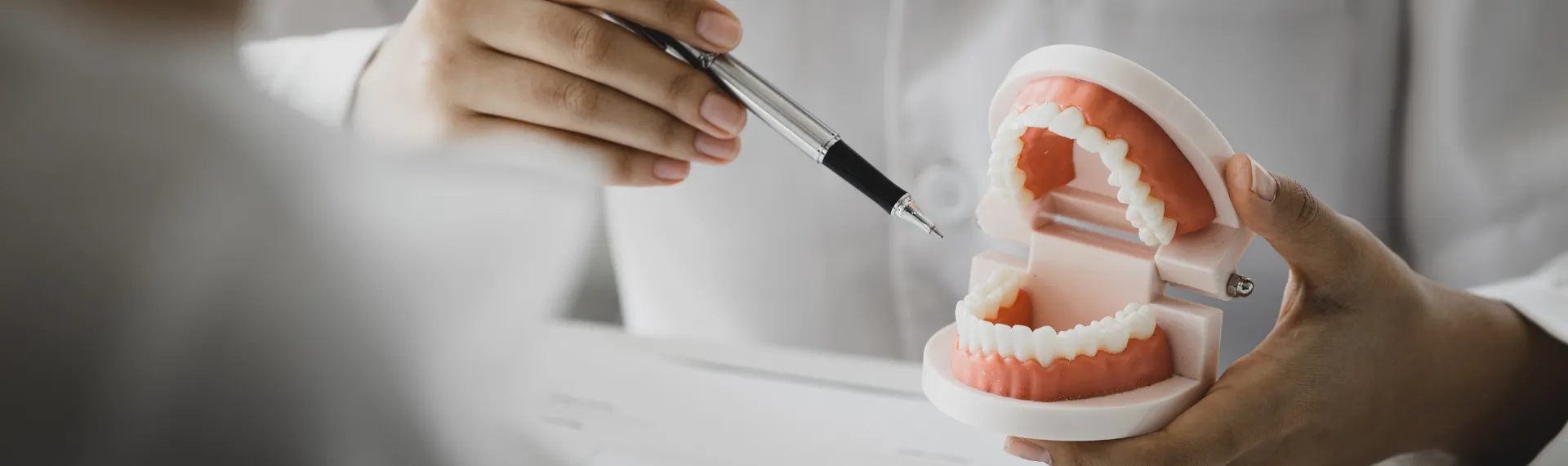
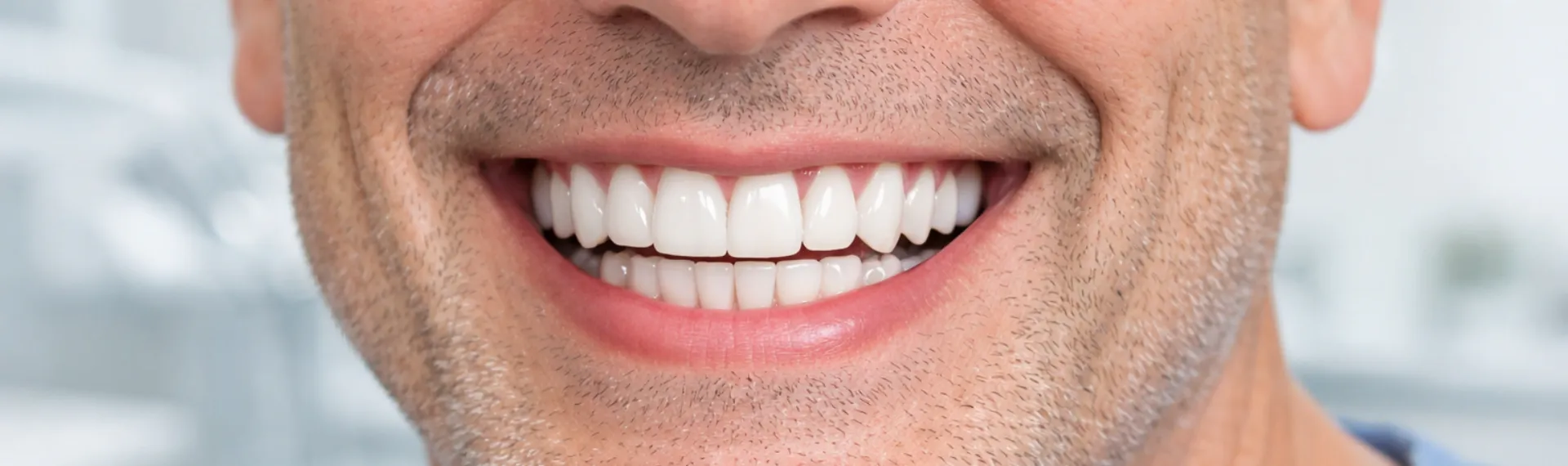
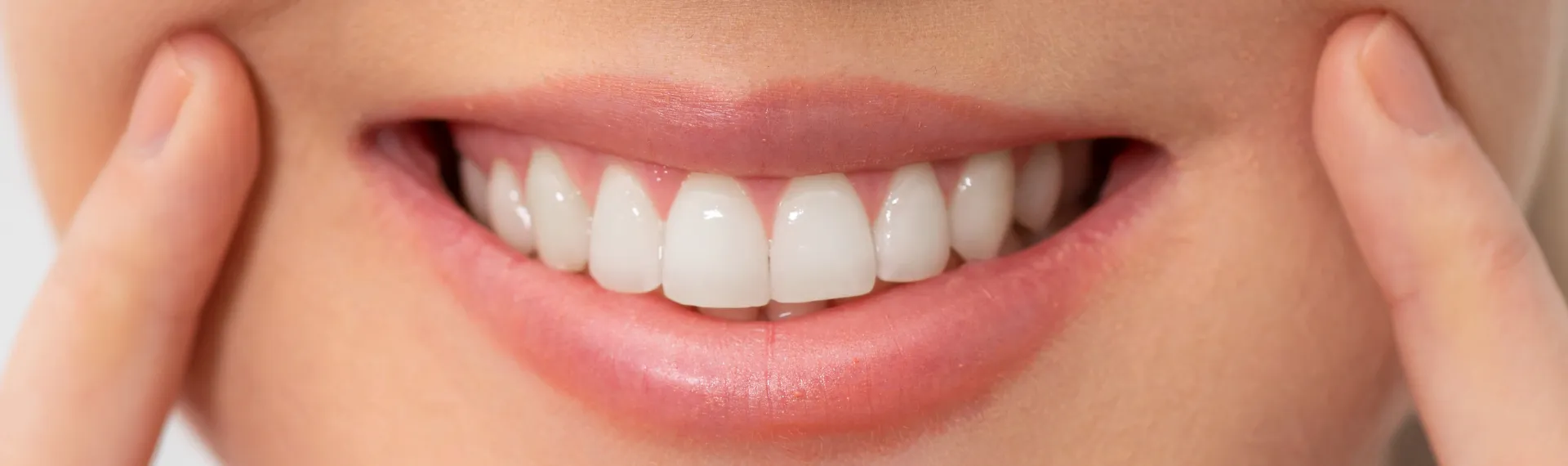
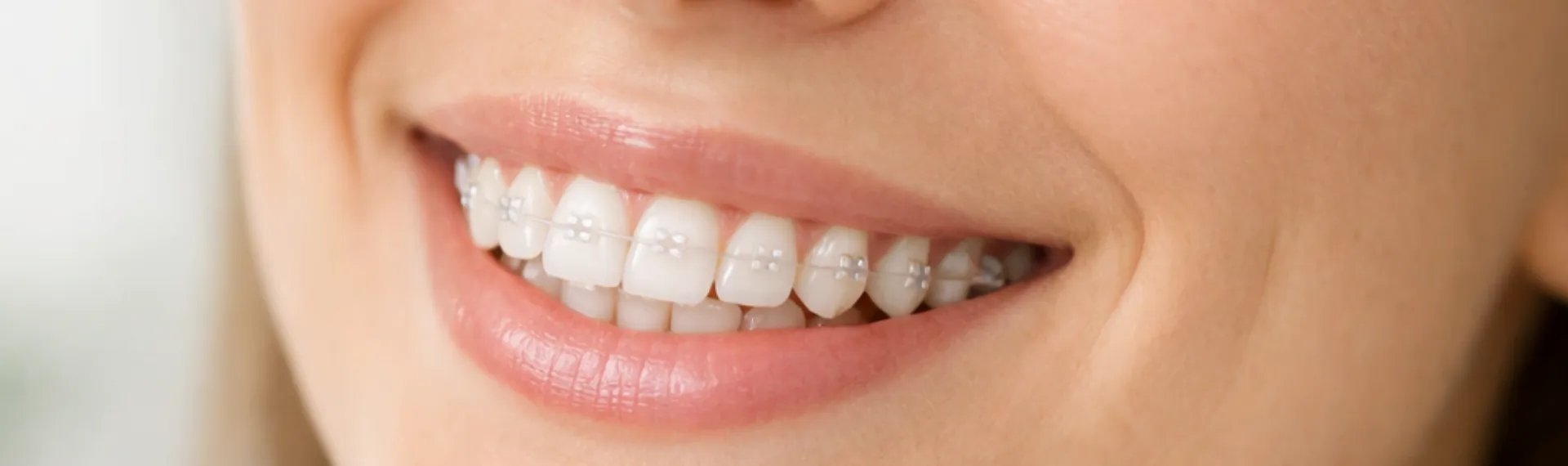
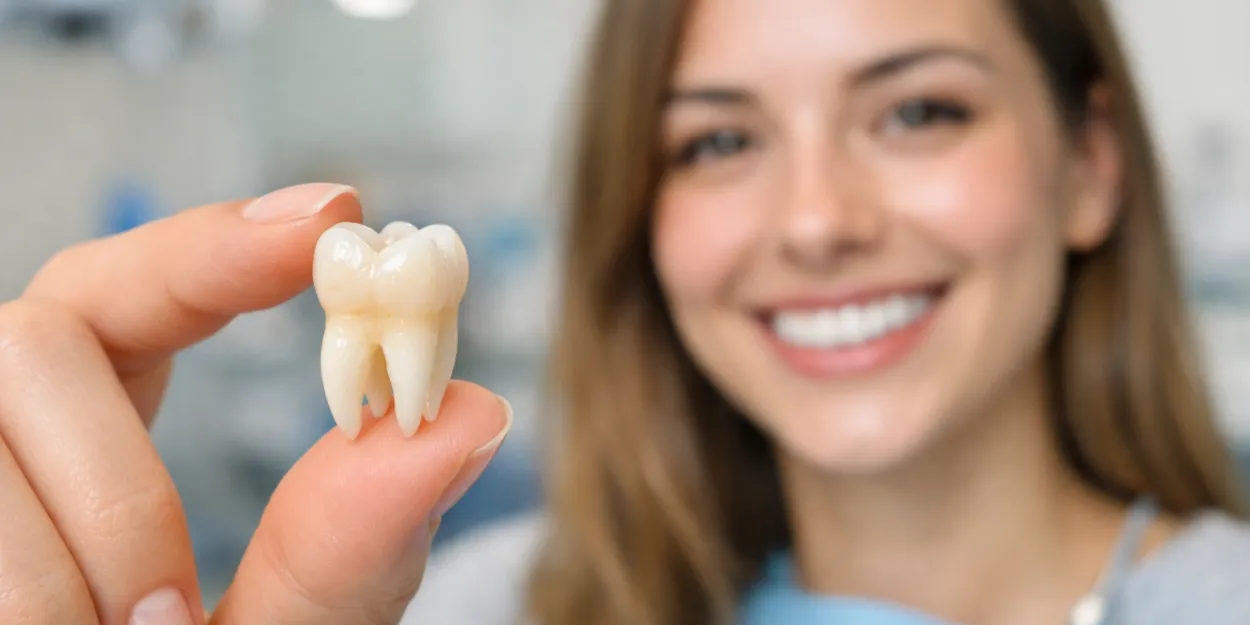
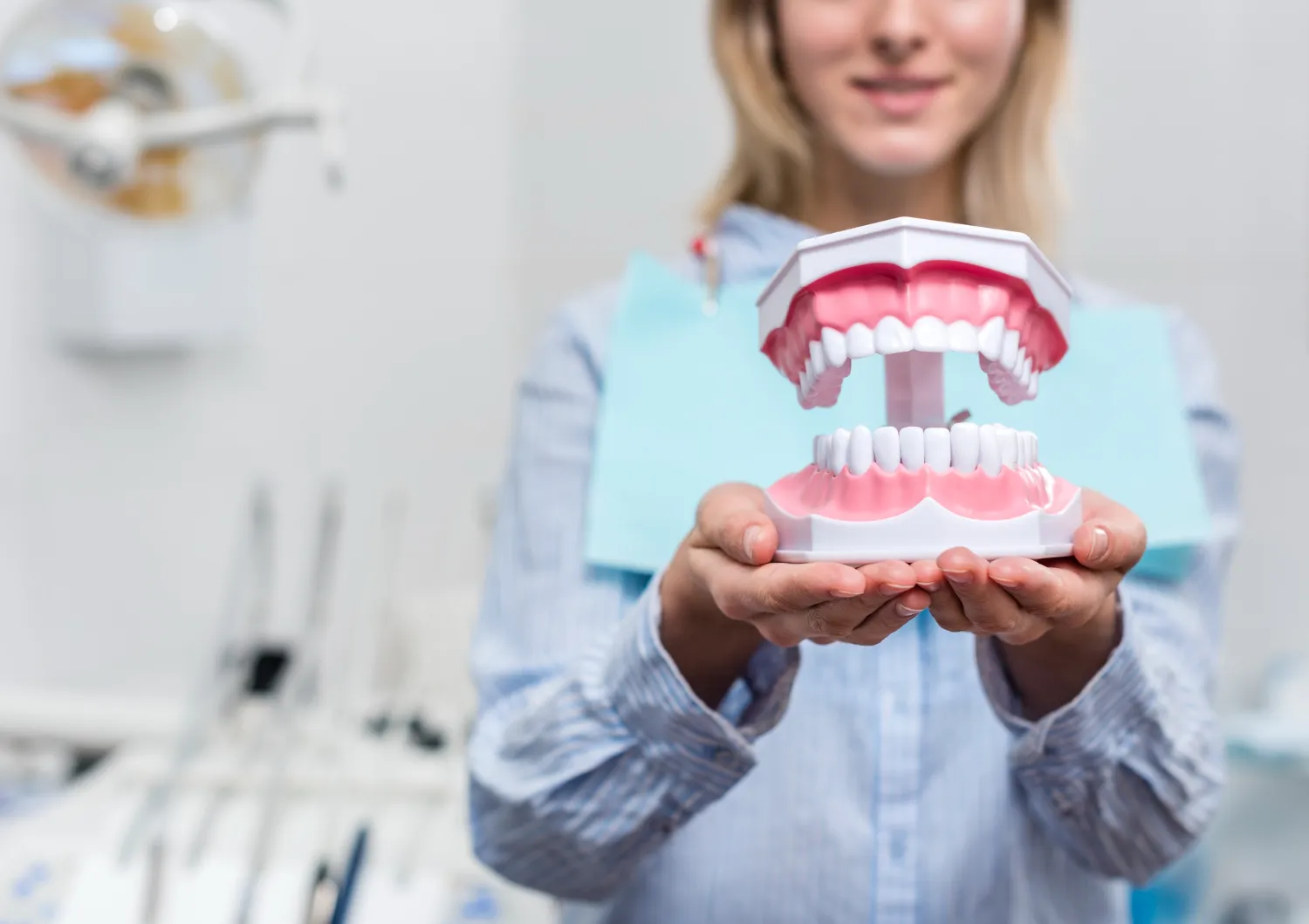
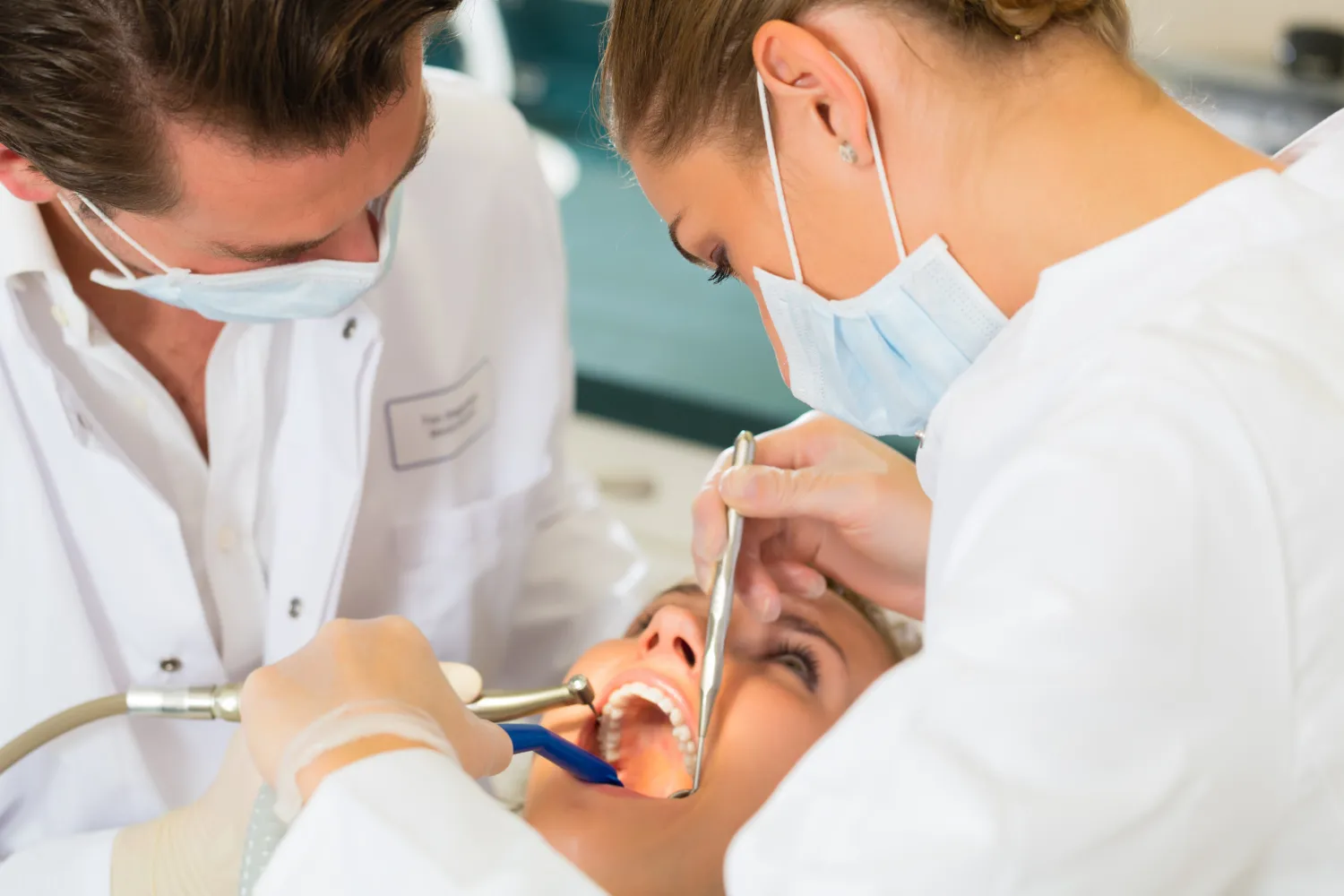
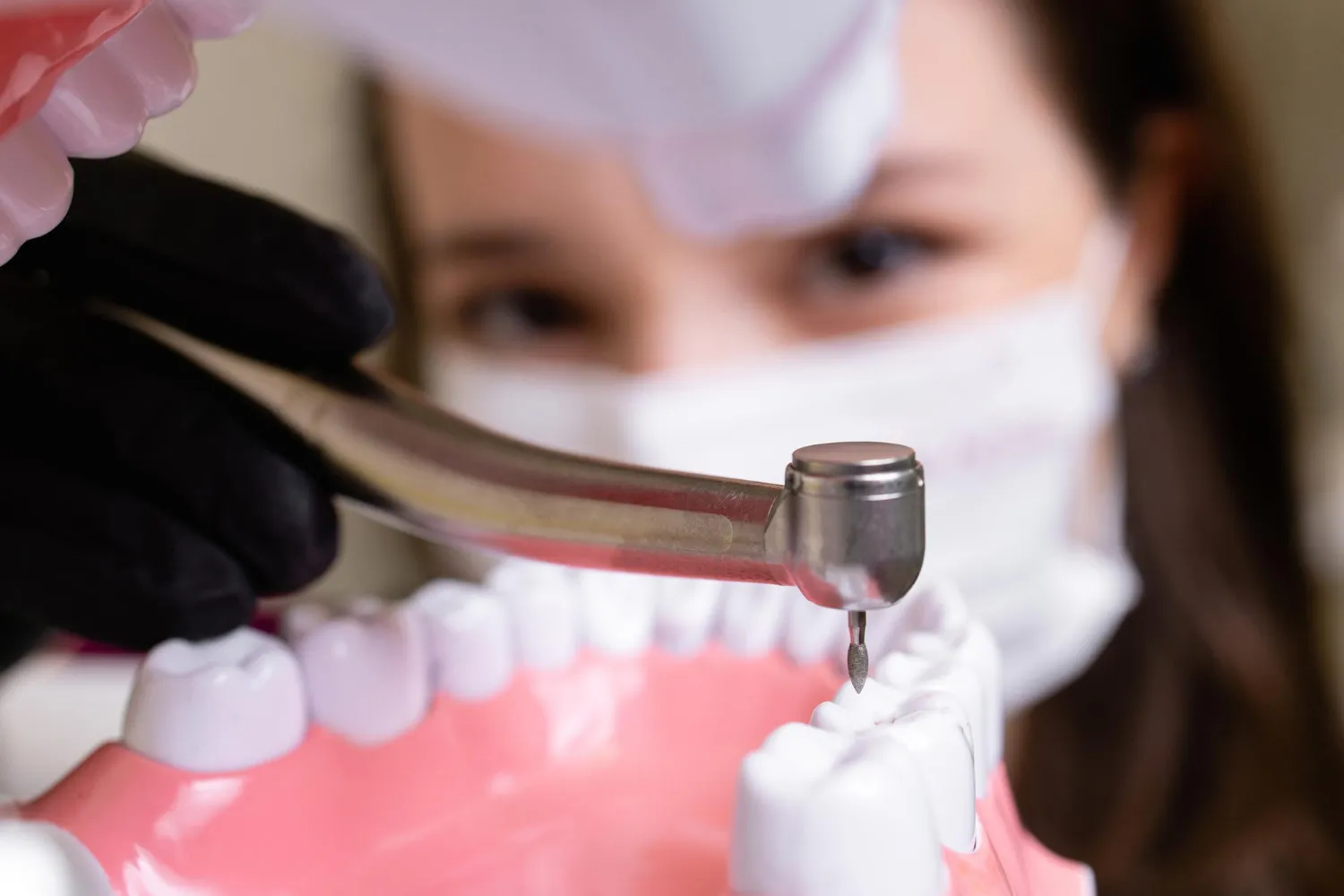
A hybrid prosthesis is an implant-supported full-arch fixed dental restoration designed for patients who have lost all teeth in one jaw or are facing extensive tooth loss. By securing a full set of replacement teeth onto a planned number of dental implants, this treatment can restore both the appearance of the smile and everyday chewing function.
Many patients with full tooth loss research fixed full-mouth dental implants, All-on-4 in Istanbul, All-on-6 in Turkey or full-arch dental implants abroad when looking for an alternative to removable dentures. Hybrid prosthesis treatment is one of the main fixed solutions used in these cases. Depending on bone structure, oral health and treatment goals, the restoration may be planned on concepts such as All-on-4, All-on-5 or All-on-6.
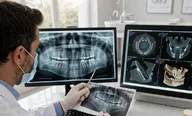
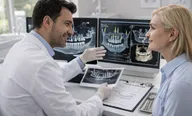
At Dentopol Istanbul, hybrid prosthesis treatment is planned individually after a full clinical examination, radiological imaging and digital assessment. The aim is not only to replace missing teeth, but also to create a stable bite, a more natural smile line and long-term functional comfort. Patients from the UK and across Europe can also request an initial pre-assessment before travelling, including a review of existing panoramic X-rays or 3D scans where available.
For patients who want a secure alternative to removable dentures, a fixed implant-supported full-arch restoration may be the most suitable route after specialist evaluation.
What Is a Hybrid Prosthesis?
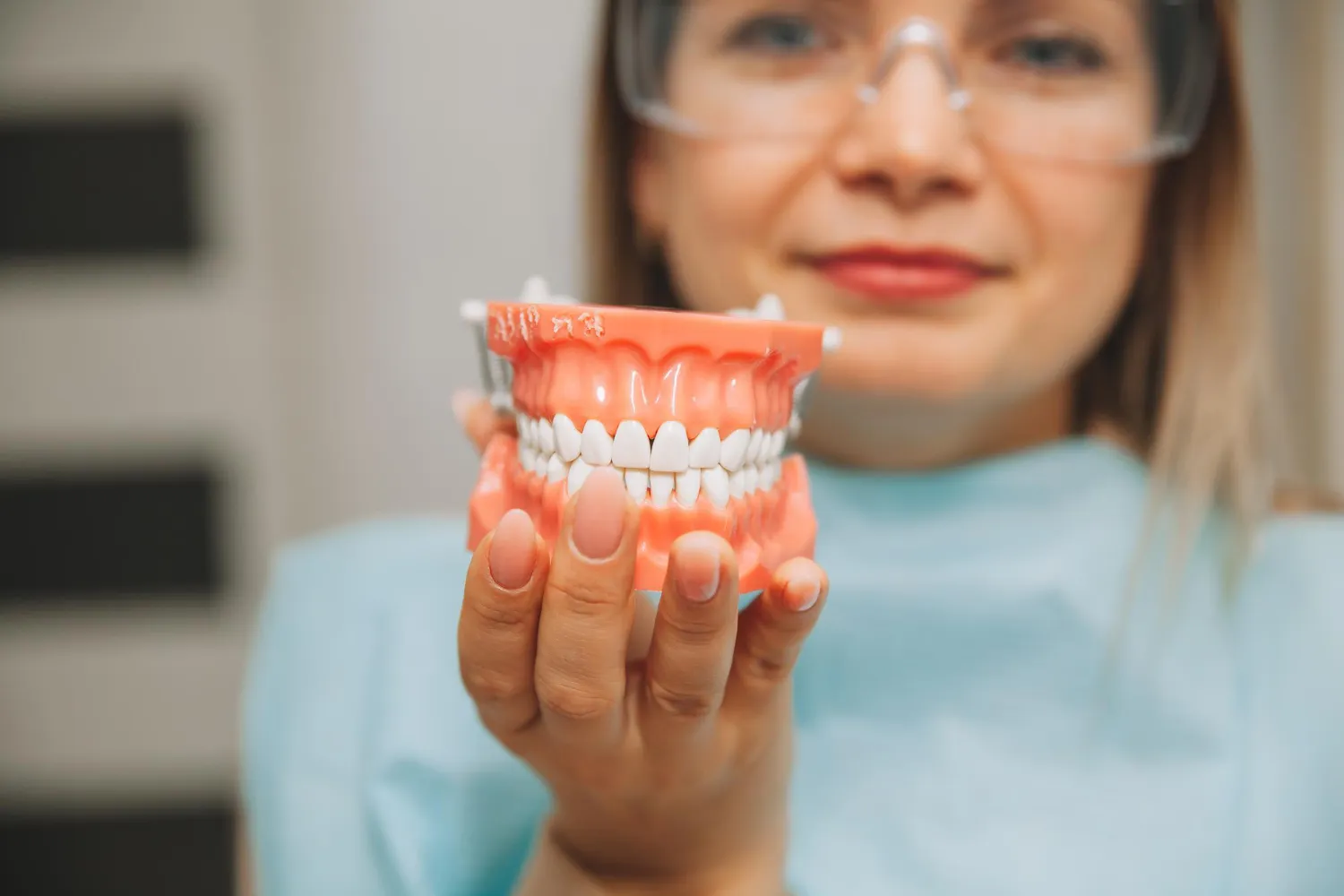
A hybrid prosthesis is a screw-retained full-arch fixed restoration attached to dental implants placed in the jawbone. It is not removable by the patient and is designed to function as a stable full set of fixed teeth. In many cases, the framework includes a titanium or metal substructure, while the visible upper part may be produced using acrylic, composite, porcelain or zirconia-based materials depending on the treatment plan.
This system is commonly used for patients with complete tooth loss because it can offer a more secure and fixed feeling than conventional removable dentures. It also allows the prosthesis to be designed in a way that supports smile aesthetics, bite balance and speech comfort.
Hybrid prosthesis treatment is often planned together with the following implant concepts: • All-on-4 • All-on-5 • All-on-6 The number of implants used depends on factors such as jawbone volume, anatomy, bite forces and the type of final restoration planned.
Who Can Be Suitable for a Hybrid Prosthesis?
Hybrid prosthesis treatment may be considered for:
• Patients with complete tooth loss in the upper or lower jaw • Individuals with advanced tooth loss across an entire arch • Patients who do not want to wear removable dentures • Individuals seeking a fixed full-arch tooth replacement • Patients with suitable bone structure for implant treatment • Denture wearers who want better stability and chewing performance
Final suitability is determined after clinical examination and radiological analysis. In some cases, additional procedures may also be considered if bone support or soft tissue conditions need further evaluation.
Hybrid Prosthesis Treatment Process
01
Free Initial Examination with the Chief Dentist and Radiological Analysis
The jawbone, soft tissues and general oral condition are evaluated using a clinical examination and imaging such as panoramic X-rays or 3D scans.
02
Surgical Planning and Implant Placement – Stage One
A personalised implant placement plan is created based on the chosen concept, such as All-on-4, All-on-5 or All-on-6. Implant positioning is planned according to bone support, bite relationship and full-arch prosthetic design.
03
Healing and Osseointegration Period
After implant placement, a healing period is required to allow the implants to integrate biologically with the jawbone. The duration depends on the patient’s bone quality and healing response.
04
Prosthetic Impressions and Trial Stage – Stage Two
Precise measurements are taken, the full-arch prosthesis is designed and the aesthetic framework is reviewed. This stage may include bite registration, smile planning and trial fittings.
05
Final Fixation of the Hybrid Prosthesis
The completed prosthesis is secured onto the implants using a screw-retained system. Final checks are performed to assess fit, bite balance, speech comfort and aesthetics.
Why Do Patients Choose Hybrid Prosthesis Treatment?
Patients researching hybrid prosthesis treatment are usually looking for more than tooth replacement alone. They often want a solution that feels secure, looks natural and improves quality of life in daily activities such as eating, speaking and smiling.
Compared with conventional removable dentures, a hybrid prosthesis may offer:
• A more stable fixed structure • Better chewing efficiency • Improved denture security during speaking and eating • A full-arch restoration planned with aesthetics in mind • Implant support that improves overall prosthesis retention • A fixed alternative for patients who dislike removable appliances
As with all implant-supported treatments, long-term success depends on good oral hygiene, correct case planning and regular maintenance appointments.
Hybrid Prosthesis vs Removable Dentures
One of the most common concerns among patients is whether fixed full-arch implant teeth are genuinely different from traditional dentures. In practical terms, they are.
Removable dentures rest mainly on the gums and can sometimes move during use. A hybrid prosthesis is anchored to implants, which gives the restoration a more secure foundation. This often improves comfort and confidence during everyday use. Many patients also prefer the psychological benefit of having a fixed full-arch solution rather than a prosthesis they remove at night.
That said, not every patient is suitable for the same system. The right treatment choice depends on bone anatomy, health status, expectations and the clinical findings during assessment.
Types of Hybrid Prosthesis
Screw-Retained Hybrid Prostheses
These are fixed full-arch restorations attached to implants with screws. They remain in place during normal use but can be removed by the dentist if professional maintenance, repair or cleaning is required.
Acrylic-Based Hybrid Prostheses
These systems typically combine a metal framework with acrylic teeth and gum-coloured restorative material. They are commonly used in full-arch implant cases and may be suitable in many standard hybrid prosthesis plans.
Porcelain or Zirconia-Based Full-Arch Options
In selected cases, more advanced upper materials such as porcelain or zirconia-based restorations may also be considered. The most suitable option depends on bite force, aesthetic expectations, implant position and laboratory planning. The final prosthesis type is determined after clinical evaluation and digital treatment planning.
Why Patients from the UK Research Hybrid Prosthesis in Istanbul
Patients in the UK often look abroad for full-arch implant treatments because they want access to shorter waiting times, experienced implant teams and more cost-efficient treatment planning. For many, the main priorities are clarity, safety, long-term function and understanding exactly what type of restoration they are being offered.
At Dentopol, hybrid prosthesis cases are planned with a multidisciplinary approach that considers implant surgery, prosthetic design, radiological analysis and functional bite principles together. This is especially important in full-arch cases, where the success of treatment depends on more than implant placement alone.
Patients travelling from the UK can also benefit from an organised pre-assessment process and clear stage planning before attending treatment in Istanbul.
Patients with complete tooth loss in the upper or lower jaw
Individuals with advanced tooth loss across an entire arch
Patients who do not want to wear removable dentures
Individuals seeking a fixed full-arch tooth replacement
Patients with suitable bone structure for implant treatment
What Is a Hybrid Prosthesis?
A hybrid prosthesis is a screw-retained full-arch fixed restoration attached to dental implants placed in the jawbone. It is not removable by the patient and is designed to function as a stable full set of fixed teeth. In many cases, the framework includes a titanium or metal substructure, while the visible upper part may be produced using acrylic, composite, porcelain or zirconia-based materials depending on the treatment plan.
This system is commonly used for patients with complete tooth loss because it can offer a more secure and fixed feeling than conventional removable dentures. It also allows the prosthesis to be designed in a way that supports smile aesthetics, bite balance and speech comfort. Hybrid prosthesis treatment is often planned together with the following implant concepts: • All-on-4 • All-on-5 • All-on-6
The number of implants used depends on factors such as jawbone volume, anatomy, bite forces and the type of final restoration planned.
What Materials Can Be Used in a Hybrid Prosthesis?
A major question for UK patients is whether the final teeth will be acrylic, composite, porcelain or zirconia. The answer depends on the treatment design.
Hybrid prostheses can involve different material combinations. Some cases are planned with acrylic-based teeth on a metal framework, while others may be suitable for more advanced restorative materials. The ideal option depends on: • Bite strength • Jaw anatomy • Implant distribution • Aesthetic priorities • Long-term maintenance expectations • Overall prosthetic design The choice of material should always be based on clinical suitability rather than preference alone.
Is All-on-4 the Same as a Hybrid Prosthesis?
No. This is one of the most searched and most misunderstood topics. All-on-4 refers to an implant placement concept, meaning a full arch is supported on four dental implants. A hybrid prosthesis refers to the fixed restoration attached on top of those implants. In other words, All-on-4 describes how the implants are placed, while hybrid prosthesis describes the prosthetic teeth fixed onto that implant foundation. The same logic can apply to All-on-5 or All-on-6 concepts.
Hybrid Prosthesis Costs in Istanbul
The cost of hybrid prosthesis treatment in Istanbul can vary depending on: • Number of implants required, such as All-on-4 or All-on-6 • Type of upper restorative material used • Bone condition and possible surgical requirements • Complexity of the prosthetic planning • Laboratory production process • Whether treatment is carried out in one or two stages
Compared with similar implant-based full-arch treatments in the UK and many European countries, hybrid prosthesis treatment in Turkey can often be planned at a significantly lower overall cost. In many cases, treatment costs may be approximately 50% to 70% lower than in parts of Europe, depending on the system used and the clinical requirements.
Exact pricing can only be confirmed after a clinical pre-assessment and a personalised treatment plan. For faster guidance, patients can contact Dentopol directly through the WhatsApp consultation line or request a remote pre-evaluation before arranging travel.
The information on our website is provided for general informational purposes only and is not intended to replace a diagnosis or treatment. Since the outcomes of surgical and interventional procedures may vary from person to person, we recommend consulting a physician before undergoing any procedure.
FAQ
Hybrid Prosthesis in Istanbul Sık Sorulan Sorular
At Dentopol, we believe that everyone has the right to access reliable information. That is why we have compiled answers to frequently asked questions about dental health and our services.
Will I leave Istanbul with fixed teeth straight away?
Some patients may be suitable for provisional fixed teeth during the treatment process, while others may require staged healing before the final prosthesis is fitted. This depends on implant stability, bone quality and the clinical plan.
Can I get a pre-assessment before travelling from the UK?
Yes. Patients can request an initial review before travel. Existing panoramic X-rays or scans may help the team provide first-stage guidance, although final suitability is always confirmed after clinical examination.
Is hybrid prosthesis better than removable dentures?
For many patients, a hybrid prosthesis offers better stability and a more fixed feeling than removable dentures. However, the most suitable solution depends on clinical findings and personal expectations.
How long does a hybrid prosthesis last?
With correct planning, good oral hygiene and regular maintenance, a hybrid prosthesis can function for many years. Longevity depends on both the prosthesis and the condition of the implants and surrounding tissues.
Can zirconia be used in All-on-4 treatment?
All-on-4 is an implant concept, not a material. Depending on the case, the final restoration may be planned as a hybrid prosthesis, an acrylic-based
fixed restoration or, in suitable cases, a zirconia-based prosthetic option.
Is hybrid prosthesis treatment guaranteed?
At Dentopol, implant and prosthetic systems are planned with warranty coverage and technical support under specific conditions. Full details are
provided after treatment planning.
How is a hybrid prosthesis cleaned?
Daily oral hygiene is essential. Patients are also advised to attend regular professional reviews so the restoration and surrounding tissues can be
monitored and maintained.
Can the patient remove a hybrid prosthesis?
No. A hybrid prosthesis is a fixed system and can only be removed by the dentist when clinically necessary.
How many implants are needed for a hybrid prosthesis?
In many cases, treatment is planned on 4 to 6 implants. The exact number depends on bone anatomy, bite requirements and the prosthetic design.
Is a hybrid prosthesis the same as All-on-4?
No. All-on-4 is the implant placement concept. A hybrid prosthesis is the fixed full-arch restoration attached to those implants.
We use cookies to enhance your experience on our website. Some cookies help us to provide statistical analysis, personalised content and advertisements. If you prefer, you can choose to accept only essential cookies.
Customize Cookie Preferences
You can manage cookie categories separately
Required Cookies
Always Active
These cookies are necessary for the website to function properly and cannot be disabled.
Analytical Cookies
These cookies help us understand how visitors use the website.
Used Services: Google Analytics
Marketing Cookies
These cookies are used to show you personalized ads and measure the effectiveness of our marketing campaigns.
Used Services: Google Ads, Facebook Pixel
Oturumun Süresi Doldu!
Sayfa oturumunuz, etkin olmadığınız için sona ermiştir. Devam etmek için sayfayı yenileyin.
DENTOPOL COMPANY CLARIFICATION TEXT ON THE PROCESSING OF PERSONAL DATA
This Clarification Text has been prepared by Dentopol Company (”Dentopol”) in order to inform the Company’s customers regarding the processing of their personal data by the Company within the scope of the Personal Data Protection Law No. 6698 (“Law”).
You can access detailed information regarding the processing of your personal data within the scope of this Clarification Text from the Personal Data Protection and Processing Policy of Dentopol Company available at [www.dentopol.com].
a) Methods of Obtaining Personal Data and Legal Grounds
Your personal data is collected in electronic or physical environments. Your personal data collected for the legal reasons specified in this Clarification Text may be processed and shared within the framework of the personal data processing conditions specified in Articles 5 and 6 of the Law.
b) Purposes of Processing Personal Data
Your personal data, within the framework of the personal data processing conditions specified in Articles 5 and 6 of the Law, are processed for the purposes of planning and executing the activities necessary for customizing and recommending and promoting the products and services offered by the Dentopol according to the tastes, usage habits and needs of the relevant persons, carrying out the necessary work by the business units to benefit the relevant persons from the products and services offered by the Dentopol and conducting the related business processes, carrying out the necessary work by the relevant business units for the realization of the commercial activities carried out by the Dentopol and conducting the related business processes, planning and executing the commercial and/or business strategies of the Dentopol and ensuring the legal, technical and commercial-occupational security of the Dentopol and the relevant persons who have a business relationship with the Dentopol.
c) Parties to Whom Personal Data May Be Transferred and Purposes of Transfer
Your personal data, within the framework of the personal data processing conditions and purposes specified in Articles 8 and 9 of the Law, for the purposes of planning and executing the activities necessary for customizing and recommending and promoting the products and services offered by the Dentopol according to the tastes, usage habits and needs of the relevant persons, carrying out the necessary work by the business units to benefit the relevant persons from the products and services offered by the Dentopol and conducting the related business processes, carrying out the necessary work by the relevant business units for the realization of the commercial activities carried out by the Dentopol and conducting the related business processes, planning and executing the commercial and/or business strategies of the Dentopol and ensuring the legal, technical and commercial-occupational security of the Dentopol and the relevant persons who have a business relationship with the Company, may be shared with the business partners and suppliers of the Dentopol, legally authorized public institutions and organizations and legally authorized private law legal entities.
d) Rights of Data Subjects and Exercise of These Rights
If you submit your requests regarding your rights listed below as personal data owners to the Company through the methods specified under the heading Exercise of Rights by Data Subjects, your requests will be evaluated and concluded by our Company as soon as possible and in any case within 30 (thirty) days.
Pursuant to Article 11 of the Law, as a personal data subject, you have the following rights:
To learn whether your personal data is processed or not,
To request information if your personal data has been processed,
To learn the purpose of processing your personal data and whether they are used in accordance with their purpose,
To know the third parties to whom your personal data is transferred domestically or abroad,
To request correction of your personal data if it is processed incompletely or incorrectly and to request notification of the transaction made within this scope to the third parties to whom the personal data has been transferred,
To request deletion or destruction of your personal data in the event that the reasons requiring its processing are eliminated despite it being processed in accordance with the Law and other relevant law provisions and to request notification of the transaction made within this scope to the third parties to whom the personal data has been transferred,
To object to the occurrence of a result against you by analyzing your processed data exclusively through automated systems,
To request compensation for the damage in case you suffer damage due to unlawful processing of your personal data.
Paragraph 2 of Article 28 of the Law lists the cases where data subjects do not have the right to request, and within this scope;
Processing of personal data is necessary for the prevention of crime or criminal investigation,
Processing of personal data that has been made public by the data subject himself/herself,
Processing of personal data is necessary for the execution of supervisory or regulatory duties and disciplinary investigation or prosecution by authorized public institutions and organizations and professional organizations in the nature of public institutions based on the authority granted by law,
Processing of personal data is necessary for the protection of the economic and financial interests of the State regarding budget, tax and financial matters,
in such cases, the rights specified above regarding the data cannot be exercised.
According to paragraph 1 of Article 28 of the Law, in the following cases, since the data will be outside the scope of the Law, the requests of data subjects will not be processed regarding these data:
Processing of personal data by natural persons within the scope of activities related to himself/herself or family members living in the same household, provided that they are not given to third parties and obligations regarding data security are complied with.
Processing of personal data for purposes such as research, planning and statistics by anonymizing them with official statistics.
Processing of personal data for artistic, historical, literary or scientific purposes or within the scope of freedom of expression, provided that it does not violate national defense, national security, public security, public order, economic security, privacy of private life or personal rights or constitute a crime.
Processing of personal data within the scope of preventive, protective and intelligence activities carried out by public institutions and organizations authorized by law to ensure national defense, national security, public security, public order or economic security.
Processing of personal data by judicial authorities or execution authorities regarding investigation, prosecution, trial or execution procedures.
Exercise of Rights by Data Subjects
Data subjects may use the “ _Application Form to be Submitted to the Data Controller by the Personal Data Subject _” available at [ww……………..………..com] to exercise the above-mentioned rights.
Applications will be carried out together with documents that will identify the relevant data subject, through one of the following methods:
Sending the completed and wet-signed copy of the form by hand, via notary or by registered mail with return receipt to [………………………………………………………..-Turkey],
Sending the form signed with a secure electronic signature regulated within the scope of the Electronic Signature Law No. 5070 via registered electronic mail to [……………………..@hs02].kep.tr,
Following a method prescribed by the Personal Data Protection Board.
Company responds to data subjects who wish to exercise their rights within the limits stipulated in the Law, within a maximum of thirty (30) days in accordance with the Law. In order for third parties to apply on behalf of personal data subjects, there must be a special power of attorney issued through a notary in the name of the person who will apply by the data subject.
Applications of data subjects are processed free of charge as a rule; however, a fee may be charged according to the tariff determined by the Personal Data Protection Board[1].
Company may request information from the applicant in order to determine whether the person applying is the personal data subject and may ask questions to the personal data subject regarding the application in order to clarify the issues specified in the application.
[1] Pursuant to the “Communiqué on the Principles and Procedures for Application to the Data Controller” published in the Official Gazette dated 10.03.2018 and numbered 30356, if a written response is given to the application of the data subject, no fee is charged for up to ten pages. A processing fee of 1 Turkish Lira may be charged for each page over ten pages. If the response to the application is given in a recording medium such as CD or flash memory, the fee that may be requested by the Authority cannot exceed the cost of the recording medium.