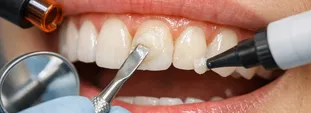
One of the most common challenges in dental implant treatment is insufficient jawbone volume. In many patients, bone loss may occur over time after a tooth has been removed, particularly when the area remains edentulous for a long period.
However, limited bone volume does not necessarily mean that dental implants are impossible. Modern surgical techniques such as bone grafting and sinus lift procedures can often help restore the bone structure required for implant placement.
For many patients living in the UK and across Europe who are researching dental implants in Turkey, these procedures play an important role in enabling successful implant treatment.
At Dentopol, bone augmentation procedures are carefully evaluated at our clinics in Istanbul using 3D CT and digital implant planning. This allows the surgical team to assess bone structure and determine the most appropriate treatment approach before implant placement.
If you have been told that you do not have enough bone for dental implants, a detailed evaluation may reveal that implant treatment is still possible with supportive procedures.
Why Does Bone Loss Occur Before Implant Treatment?
The jawbone is a living tissue that depends on the presence of teeth to maintain its structure. After tooth loss, the bone in that area may gradually decrease in volume.
Common causes of bone loss include:
- Long periods without teeth after tooth extraction
- Advanced gum disease
- Trauma or dental infections
- Long-term use of removable dentures
- Previous implant failure
Whether the existing bone is sufficient for implant placement is determined through detailed radiological analysis. During this evaluation, factors such as bone height, bone width, and anatomical structures are carefully examined.
Patients living in Europe can also contact our team for consultation support and preliminary evaluation before travelling for treatment.
What Is Bone Grafting?
Bone grafting is a surgical procedure used to increase bone volume in areas where dental implants are planned.
The goal of bone grafting is to create a stable and healthy bone structure that can support the implant.
Different materials may be used for bone augmentation procedures, including:
- The patient’s own bone
- Biocompatible bone graft materials
- Synthetic bone substitute materials
The choice of technique depends on the degree of bone loss and the clinical findings.
In some cases, bone grafting can be performed at the same time as implant placement. In other situations, a healing period may be required before implants can be placed.
What Is a Sinus Lift?
A sinus lift procedure is indicated when there is insufficient bone height in the posterior maxilla to place dental implants.
The maxillary sinus cavity, located above the upper jaw can sometimes limit the available bone for implant placement. During a sinus lift procedure, the sinus floor is carefully elevated to create sufficient space for bone grafting.
Two main techniques are commonly used:
- Closed (crestal) sinus lift
- Open (lateral) sinus lift
The appropriate technique is determined based on bone height measurements, bone quality, and radiological findings.
These procedures may be recommended as supportive surgical treatments in certain implant cases. Examples include:
The overall treatment timeline may vary depending on the patient’s bone structure and the surgical technique used.