












































































Can Tooth Pain Radiate to the Ear? Causes and Practical Solutions
Pain that starts in a tooth is not always felt only in that tooth. The teeth, jaw, face, and ear region are connected through closely related nerve pathways. A deep cavity, an infection around a tooth root, a wisdom tooth problem, or a temporomandibular joint disorder can therefore cause pain, pressure, or a blocked-ear sensation. This is known as referred pain. However, an ear infection, sinus problem, or throat condition can produce similar symptoms. For that reason, the source of the pain cannot always be identified simply by where it is felt. Pain that persists, becomes severe, or gets progressively worse should be assessed clinically.
Can Tooth Pain Radiate to the Ear?
Yes. Tooth pain can radiate to the ear. Even when the ear itself is healthy, the brain may interpret pain signals coming from the mouth or jaw as if they were coming from the ear area. This happens because several sensory pathways lie close together and overlap. Molars, wisdom teeth, the lower jaw, and the joint just in front of the ear are particularly common sources. The sensation may feel sharp or throbbing, or it may be described as pressure, a vague ache, or a feeling of fullness in the ear.
That said, ear pain should not automatically be blamed on a dental problem. Hearing loss, ear discharge, marked dizziness, a high fever, or a recent respiratory infection may point more strongly toward an ear, nose, and throat cause. A dental problem and an ear condition can also occur at the same time. A clinical examination is the most reliable way to distinguish between them.
Why Can Tooth Pain Spread to the Ear?
Deep tooth decay and pulp inflammation: when a cavity progresses into the dental pulp, which contains the tooth's nerves and blood vessels, it can cause spontaneous or throbbing pain and sensitivity to hot or cold. If a back tooth is involved, the pain may spread toward the jaw, temple, and ear.
Root infection and dental abscess: an infection around the tip of a tooth root or in the surrounding tissues can cause constant pain, tenderness when chewing, gum swelling, a bad taste in the mouth, and sometimes fever. Increased pressure in the tissues may make the pain radiate toward the face and ear on the same side.
Cracked tooth or failing restoration: a crack, broken filling, or leaking restoration can cause a brief sharp pain when biting or a more persistent sensitivity. When the affected tooth is difficult to pinpoint, the discomfort may also be perceived around the ear.
Wisdom tooth and gum inflammation: food debris and bacteria can collect around a partially erupted or impacted wisdom tooth and cause inflammation known as pericoronitis. Pain may begin at the back of the lower jaw and spread toward the ear, throat, or temple. Difficulty opening the mouth may also occur.
Gums and supporting tissues: advanced periodontal disease can make the tissues around the teeth tender and increase the risk of infection. Mild gum bleeding on its own does not usually cause pain that radiates to the ear. However, an abscess or significant inflammation may produce pain across a wider area.
Bruxism and temporomandibular joint disorders: the temporomandibular joint, or TMJ, sits just in front of the ear. Clenching, nighttime grinding, or overuse of the chewing muscles can lead to jaw fatigue, morning pain, headaches, clicking or popping sounds, and pain or pressure near the ear.
Which Teeth Can Cause Ear Pain?
Back teeth, especially molars, are most often associated with pain that radiates toward the ear. The large lower molars and lower wisdom teeth are close to the jaw joint and share nearby sensory pathways. Problems affecting upper molars, on the other hand, may be confused with cheek or sinus pain. This is not an absolute rule, however: an advanced infection in any tooth can produce diffuse pain in the surrounding tissues.
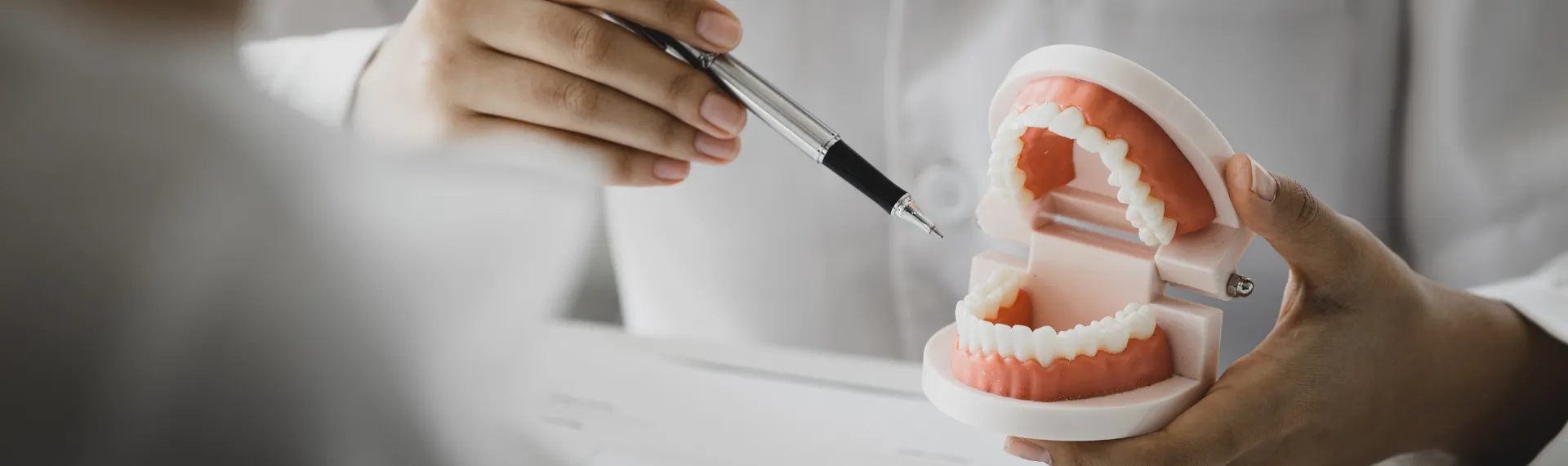
It is often difficult to identify the responsible tooth by following the path of the pain alone. During an examination, the dentist looks for decay, cracks, defective restorations, periodontal pockets, and tenderness to pressure or biting. When needed, dental X-rays can be used to assess the roots, surrounding bone, and the position of impacted teeth.
How Can You Tell Whether Ear Pain Is Coming From a Tooth?
Referred pain of dental origin often changes with chewing, pressure on a particular tooth, or exposure to hot, cold, or sweet foods. Localized sensitivity, a red or swollen gum, a bad taste, a broken restoration, or swelling of the face or jaw can make a dental cause more likely. With bruxism, discomfort may be worse in the morning and may increase with jaw movement. None of these signs, however, is enough to establish a diagnosis on its own.
Differences Between Tooth Pain and Ear Pain
Signs that may suggest a dental source: the pain is focused around a specific tooth, becomes worse when biting or chewing, reacts to hot or cold, or is accompanied by visible decay, swollen gums, a broken tooth, or a bad taste in the mouth.
Signs that may suggest an ENT source: hearing loss, ear discharge, significant dizziness, pain that increases when the outer ear is touched, or a recent cold or flu-like illness are reasons to have the ear assessed.
Signs that may suggest a jaw-joint source: clicking when opening or closing the mouth, locking, pain that worsens with hard foods, jaw fatigue on waking, and tenderness just in front of the ear can point toward a TMJ or chewing-muscle disorder.
Because these symptoms can overlap, a clinical examination remains the most reliable way to tell them apart. If dental symptoms are more prominent, seeing a dentist first is reasonable. If there is hearing loss, ear discharge, or symptoms clearly centered in the ear, an ENT evaluation is more appropriate.
How Can You Relieve Tooth Pain That Radiates to the Ear?
Home measures can provide only temporary relief while you are waiting for an appointment. They do not treat a cavity, abscess, cracked tooth, or deep inflammation. Even if the pain eases, the underlying cause may still be present and may still require dental treatment.
Maintain gentle oral hygiene: use a soft toothbrush and clean the area without irritating it. An adult can gently rinse with warm salt water and spit it out. On the day of a tooth extraction, however, follow the dentist's instructions and avoid vigorous rinsing so that the blood clot is not disturbed.
Avoid foods that trigger the pain: very hot, very cold, sugary, or hard foods may increase sensitivity. Until you are examined, choose softer foods and avoid chewing on the painful side.
Apply cold to the outside of the cheek: if there is swelling or throbbing discomfort, a cold pack wrapped in a cloth can be placed on the outside of the cheek for short periods. Do not place ice directly on the skin or against the gum.
Use pain relievers carefully: if they are safe for you, over-the-counter pain medicines may provide temporary relief when taken exactly as directed on the label. Pregnant patients, children, people with allergies or chronic conditions, and anyone taking regular medication should ask a doctor or pharmacist for advice. Do not exceed the recommended dose.
Avoid risky home remedies: placing aspirin, alcohol, or an unknown substance directly on the tooth or gum can burn the tissues. Do not puncture or squeeze a swelling, as this may worsen or spread an infection. Antibiotics should not be started without an examination; for most dental pain, treating the affected tooth remains the key step.
When Should You See a Dentist for Tooth Pain That Spreads to the Ear?
A prompt dental appointment is recommended if the pain lasts for more than two days, does not settle with appropriate pain relief, becomes worse when chewing, or is accompanied by fever, red or swollen gums, a bad taste, or swelling of the cheek or jaw. People who are immunocompromised, have poorly controlled diabetes, or notice symptoms worsening quickly should be assessed sooner.
Rapidly spreading swelling of the mouth, face, or neck, difficulty breathing, speaking, or swallowing, swelling around the eye, inability to open the mouth properly, or a significant decline in general condition requires urgent medical attention. Ear discharge, sudden or marked hearing loss, severe dizziness, or a high fever may also require urgent ENT or medical assessment.
What Treatments Are Used for Tooth Pain That Radiates to the Ear?
Treatment depends on the true cause of the pain. The first step is a clinical examination, with dental and radiographic assessment when necessary. The dentist evaluates the teeth, gums, bite, jaw joint, and pattern of the pain before choosing the most appropriate treatment.
Conservative treatment and restoration: if decay has not caused irreversible damage to the pulp, the decayed tissue can be removed and the tooth restored. A broken or leaking filling can also be replaced.
Root canal treatment: when decay or trauma has irreversibly damaged the pulp, root canal treatment removes infected or inflamed tissue, disinfects the inside of the tooth, and, when possible, allows the tooth to be preserved.
Abscess drainage and infection treatment: when an abscess is present, drainage may be necessary, followed by treatment of the source tooth with root canal treatment or extraction. Antibiotics are not prescribed for every toothache. They are used when the dentist considers them necessary, particularly when there is fever, systemic illness, or an infection that is spreading.
Extraction and wisdom tooth management: if a tooth cannot be saved, extraction may be recommended. An impacted or partially erupted wisdom tooth, or one that repeatedly causes inflammation, may be monitored or removed with wisdom tooth surgery depending on the clinical and radiographic findings.
Gum and jaw-joint treatment: periodontal disease may require professional cleaning and targeted gum treatment. For bruxism or a TMJ disorder, the dentist may recommend habit changes, muscle rest, a custom-made night guard or splint, and, when needed, coordinated care with other professionals. There is no single treatment that is right for every patient.
Frequently Asked Questions About Tooth Pain That Radiates to the Ear
Can Tooth Pain Radiate to Both the Ear and the Head?
Yes. Dental pain or jaw-related pain can spread on the same side toward the ear, temple, and head. An infected back molar, bruxism, or a TMJ disorder can produce this type of discomfort. However, a new, unusual, or very severe headache may have a different cause and should not automatically be attributed to the teeth.
What Should You Do If a Wisdom Tooth Is Causing Ear Pain?
Clean the area gently, avoid hard foods, and, if it is safe for you, use an over-the-counter pain reliever according to the label for temporary relief. The pain may be related to eruption, inflammation of the surrounding gum, impaction, or an abscess. A dental examination is therefore needed to determine whether wisdom tooth surgery should be considered. Fever, swelling, a bad taste in the mouth, or difficulty opening the mouth are reasons to seek care without delay.
Should You See a Dentist or an ENT Specialist for Tooth Pain That Radiates to the Ear?
If the pain becomes worse when you chew, drink something hot or cold, or press on a tooth, and there is decay, gum swelling, or a bad taste, a dentist is generally the best first point of contact. Hearing loss, ear discharge, dizziness, or symptoms clearly centered in the ear point more toward an ENT assessment. When the source is uncertain, either clinician can perform an initial evaluation and refer you to the appropriate specialist if needed.
Can a Cavity Cause Tinnitus or a Blocked-Ear Sensation?
A cavity is not considered a common cause of tinnitus or a true blockage of the ear. Dental pain can, however, be felt around the ear. Some TMJ disorders may also be associated with ear pressure or tinnitus. New tinnitus on one side, especially when accompanied by hearing loss or a persistent blocked-ear sensation, should be assessed to rule out an ENT cause.
Can Teething Cause Ear Pain in Babies and Children?
During teething, a baby may rub the ear or seem uncomfortable on one side of the face. This behavior alone does not prove that teething is the cause, because an ear infection can produce similar signs. A temperature of 38°C or higher, ear discharge, reduced response to sounds, balance problems, or a child who appears clearly unwell should prompt pediatric medical advice. For concerns about the mouth and teeth, a pediatric dental consultation can also be arranged.
Is Ear-Radiating Pain Normal After a Tooth Extraction?
After a molar or wisdom tooth extraction, pain may spread toward the jaw and ear during the first few days. It should generally begin to improve after two or three days. If the pain becomes noticeably stronger between days three and five, especially with a bad taste or bad breath, dry socket may be a possibility. Increasing swelling, fever, persistent bleeding, or severe pain are reasons to contact the dentist who performed the extraction.
In summary, tooth pain can radiate to the ear, but similar symptoms may have other causes. Home measures may ease discomfort temporarily, but they do not replace treatment of the underlying problem. An examination by a dentist, or by another healthcare professional depending on the symptoms, is needed to identify the cause and choose the appropriate treatment.