
























































Can a Dental Implant Screw Fall Out? What to Do If an Implant Component Comes Loose
A component associated with a dental implant can sometimes loosen, become mobile, or come out in the mouth. However, when a patient says “my implant screw fell out,” it does not necessarily mean that the implant itself has come out of the bone. The piece may be a healing abutment, prosthetic screw, abutment screw, or another part of the implant-supported restoration. Loosening of these components is usually a mechanical complication and does not automatically mean that osseointegration has been lost.
Mobility of the actual implant, the part placed in the bone, is a different situation. It can occur when the implant does not osseointegrate properly during healing or when it gradually loses bone support, for example because of advanced peri-implantitis. A genuinely mobile implant should be assessed clinically and radiographically. If it has lost its bony anchorage, removal may be necessary.
If an implant component comes out, do not try to screw it back in yourself. Avoid chewing hard foods on that side and, if you find the piece, keep it in a small clean container until you can see a dentist. Treatment may be as simple as checking and retightening a screw, or it may require more extensive management if the implant itself has become mobile.
What Is an Implant Screw and How Does It Work?
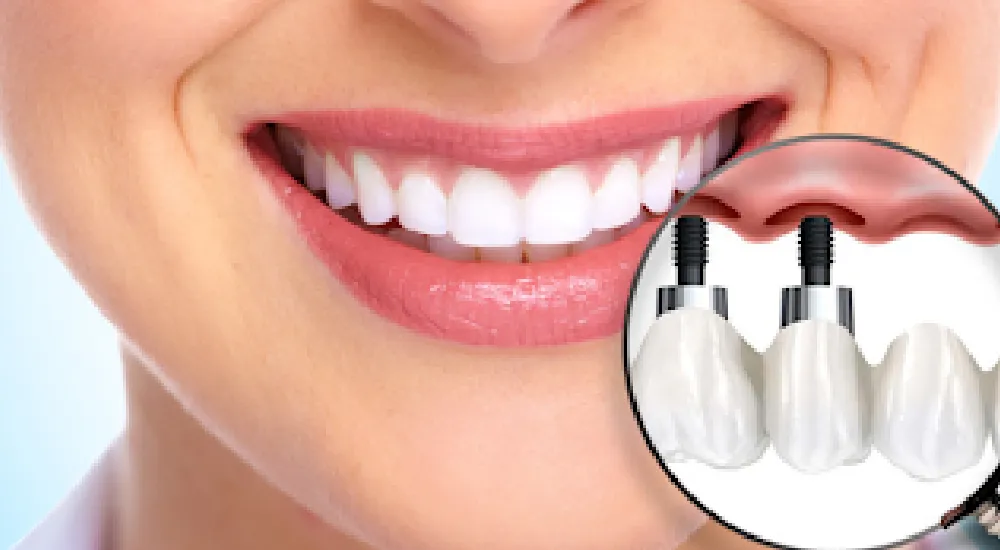
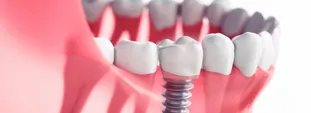
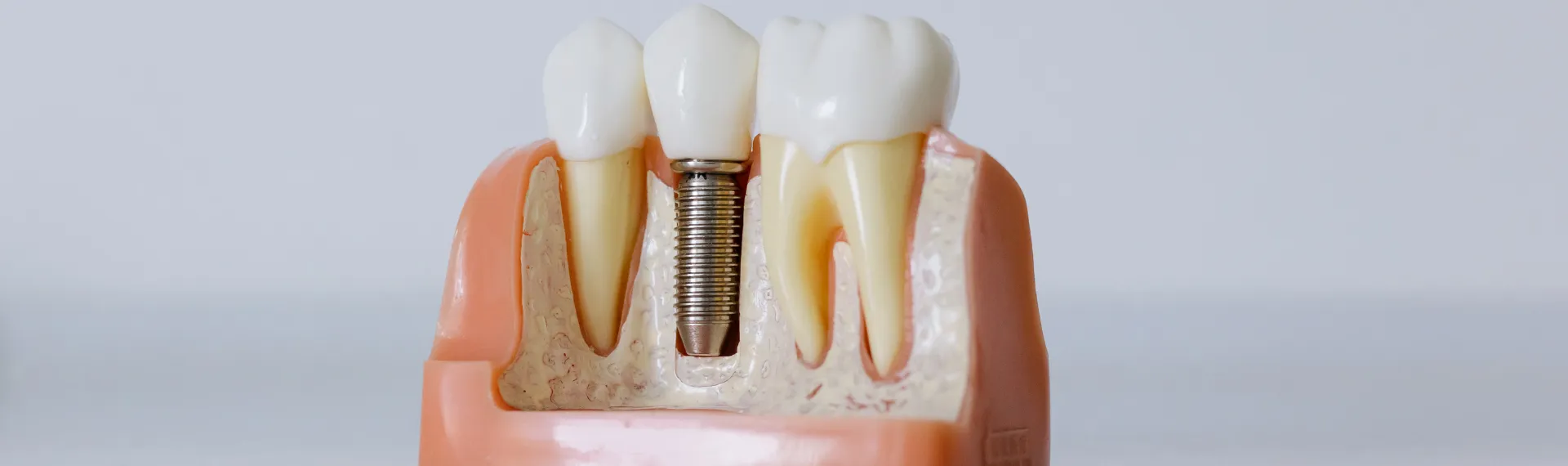
A dental implant is not just a single screw. The part inserted into the jawbone, usually made of titanium, is called the implant or fixture. After healing, an abutment is connected to the implant to support a crown or bridge. Depending on the implant system, several small screw-retained components may connect these parts.
In everyday language, “implant screw” can therefore refer to three different things: the implant itself, the screw that secures the abutment or restoration, or the healing abutment that remains visible above the gum during certain stages of treatment. Prognosis and treatment differ depending on which component is involved.
|
Component involved |
What can loosening or loss mean? |
General approach |
|
Implant or fixture |
Osseointegration may be inadequate, or bone support may have been lost. |
Mobility and bone levels are assessed. A truly mobile implant may need to be removed. |
|
Abutment screw or prosthetic screw |
The connection between the implant and restoration may have loosened, or the screw may be damaged. |
The screw, abutment, fit of the restoration, and bite are checked. Retightening or replacement may be enough. |
|
Healing abutment |
The small component visible during healing may have unscrewed. |
Prompt review allows it to be replaced before the gum grows over the implant access. |
Prosthetic screws are designed to be tightened to a specific torque. Insufficient tightening can increase the risk of loosening, while excessive or repeated inappropriate tightening can damage the screw or connection. For this reason, you should never attempt to tighten an implant component yourself with pliers, a screwdriver, or another household tool.
Can an Implant Screw Actually Fall Out?
Yes. A screw-retained implant component can occasionally loosen and then come out. The more common scenario is not an implant suddenly “falling” out of the bone, but rather loosening of a prosthetic screw, abutment, or healing abutment. Screw loosening is a recognised mechanical complication of implant-supported restorations.
Mobility of the actual implant is more concerning. In a recently placed implant, it may indicate inadequate osseointegration. In an older implant, peri-implantitis, progressive bone loss, mechanical overload, or a combination of these factors can gradually reduce implant support.
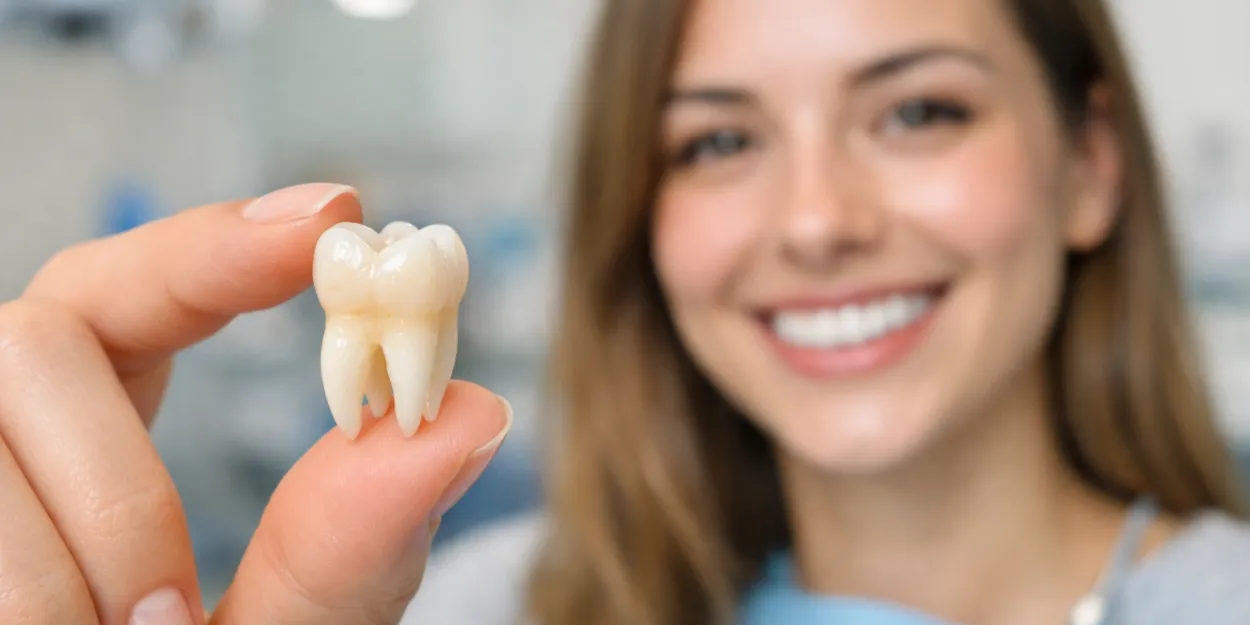
Patients cannot always identify which part has come out. A small, short, shiny metal component may be a healing abutment or prosthetic screw. A longer root-shaped piece with a rough surface may be the implant body itself. Even so, only a clinical examination can determine with certainty what has detached.
Why Can an Implant Screw or the Implant Itself Loosen or Fall Out?
Failure to Achieve or Maintain Osseointegration
What is sometimes described as the bone “rejecting” an implant is usually not an immune rejection comparable to rejection of a transplanted organ. The problem is more often inadequate osseointegration—the bone-to-implant connection did not form properly—or later loss of that connection.
Insufficient primary stability, poor bone quality, significant surgical trauma, excessive heat during drilling, loading the implant too early, smoking, certain poorly controlled medical conditions, or infection during healing can contribute to early failure. The presence of one of these factors does not mean that failure is inevitable.
Inflammation or Infection Around the Implant
When inflammation is limited to the soft tissues around an implant, it is called peri-implant mucositis. When bone loss is also present, the condition is called peri-implantitis. Advanced peri-implantitis can progressively reduce the bone supporting the implant and, in severe cases, lead to mobility and eventual loss of the implant.
Bleeding, redness, swelling, discharge, a bad taste, or discomfort while cleaning around an implant should be checked. Isolated bleeding does not mean the implant is about to fall out, but inflammation is usually easier to control when treated before substantial bone loss develops.
Loosening of Prosthetic Components
Loosening of an abutment screw or prosthetic screw is one of the most common mechanical complications of implant restorations. If a screw does not maintain sufficient preload, chewing forces can create small movements at the connection and gradually allow the screw to loosen.
Incorrect tightening torque, a restoration that does not fit passively, certain prosthetic designs, a long cantilever, occlusal overload, or wear of the components can contribute. When detected early, the implant in the bone often remains completely stable. Continuing to chew on a mobile crown, however, can increase the risk of screw fracture or damage to the implant connection.
Surgical or Planning-Related Factors
Implant success depends on appropriate planning and surgery that respects the available bone. An implant placed in inadequate bone, a site prepared too widely, overheating of the bone during drilling, or poor primary stability can increase the risk of early failure.
It would nevertheless be inaccurate to label every implant loss as a “surgical error.” Bone quality, smoking, oral hygiene, infection, certain systemic conditions, and the loads placed on the implant after surgery can also contribute. The cause of failure needs to be assessed case by case.
Bruxism and Teeth Clenching
Bruxism can expose implant restorations to stronger and more repetitive forces than normal chewing. These loads may contribute to screw loosening, ceramic fracture, or other mechanical complications, particularly with single implants or restorations exposed to unfavourable forces.
In patients who clench or grind their teeth, the bite and prosthetic design should be assessed carefully. A night guard may sometimes be recommended. It does not treat a loss of osseointegration, but it can help reduce the effects of excessive forces on the restoration and its components.
What Should You Do If an Implant Screw or Component Falls Out?
If an implant-related component comes loose in the mouth, do not try to put it back yourself. If you find it, keep it in a small clean container, avoid hard or sticky foods on that side, and contact the clinic that provided the treatment or a dentist experienced in implant dentistry as soon as possible.
-
Keep the component you found and bring it to the appointment.
-
Do not clean it with alcohol, bleach, or other household chemicals.
-
Do not try to screw it back in using a household tool.
-
If the crown or bridge is moving, avoid repeatedly wiggling or manipulating it.
-
If the implant itself seems mobile, do not chew hard foods on that area.
-
If there is significant pain, rapidly increasing swelling, pus, fever, or bleeding that is difficult to control, seek prompt assessment.
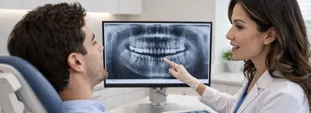
At the dental office, the first step is to identify which component has loosened. If only the healing abutment has come out, it can often be replaced quickly. If an abutment or prosthetic screw has loosened, the dentist checks the screw, connection, fit of the restoration, and bite. If the actual implant is mobile, its bone support and osseointegration must be assessed. An implant that has lost its anchorage may need to be removed.
How Can You Reduce the Risk of an Implant Component Loosening or Being Lost?
No complication can be prevented with absolute certainty, but regular follow-up and good control of biological and mechanical risk factors can improve the longevity of implant treatment.
-
Clean around the implant every day with a toothbrush, interdental brushes, or other aids recommended by your dentist.
-
Seek advice promptly if a crown, bridge, or implant component starts to feel loose.
-
Tell your dentist if you grind or clench your teeth; a night guard may be considered when appropriate.
-
Be aware of the effect of smoking on healing and peri-implant tissue health.
-
Attend follow-up visits so the gums, bone levels, prosthetic connections, and bite can be assessed.
-
Never try to tighten an implant screw yourself.
-
During healing, follow the instructions you have been given about food and loading the implant.
Follow-up should not be reserved only for painful problems. Peri-implantitis and mechanical loosening can progress with little pain in the early stages. Regular checks allow a small issue to be treated before it progresses to screw fracture, damage to the connection, or more advanced bone loss.
Frequently Asked Questions About Dental Implant Screws and Components
Could the Piece That Fell Out Simply Be a Healing Abutment?
Yes. During some stages of implant treatment, a small metal component called a healing abutment remains visible above the gum. It can occasionally loosen and come out. This does not mean that the implant placed in the bone has been lost. Prompt review is still advisable because the gum can begin to grow over the implant access if the healing abutment remains absent.
Can a Fallen Implant Screw Be Cleaned and Put Back?
It depends on the component. A healing abutment, abutment screw, or prosthetic screw may sometimes be cleaned and reused after being examined by the dentist. If the threads are distorted or the screw is worn or fractured, replacement is usually preferable.
If the actual implant has lost its connection with the bone and come out, it is not usually appropriate simply to clean it and screw it back into the same site immediately. The cause of failure must first be investigated, the remaining bone assessed, and a decision made about healing, bone grafting, or planning a new implant.
Does a Loose or Fallen Screw Always Cause Pain, Bleeding, or Significant Swelling?
No. Loosening of a healing abutment or prosthetic screw can be almost painless. The patient may simply notice that a crown is moving or find a small metal component in the mouth. Even an implant that is gradually losing bone support can sometimes remain relatively painless for a period of time.
Pain, swelling, bleeding, discharge, or a bad taste may occur when significant inflammation or infection is present. Rapidly increasing facial swelling, fever, or bleeding that is difficult to control requires more urgent assessment.
Can a New Implant Be Placed After an Implant Has Been Lost?
In many cases, a new implant can be considered. It is not always possible, however, to place another implant immediately in exactly the same site. After removing the failed implant, the dentist assesses any infection, the remaining bone volume, and the soft tissues. If conditions are favourable, replacement may sometimes be planned relatively soon. If there is substantial bone loss, a healing period or bone graft may be needed first.
Before placing a new implant, it is useful to identify the likely cause of the original failure whenever possible. Heavy smoking, uncontrolled periodontal disease, overload, a prosthetic problem, or inadequate bone should be addressed to reduce the risk of the same problem recurring.
Is a Lost Implant Covered by a Guarantee or Warranty?
Coverage depends on the terms set by the clinic, manufacturer, and the cause of the problem. Some implant brands provide warranties for certain components or the implant body, but this does not necessarily mean that all surgical or prosthetic costs of a new treatment are covered.
Conditions may also take account of follow-up attendance, oral hygiene, smoking, trauma, and other factors. It is therefore sensible to request the warranty conditions in writing before treatment and to contact the provider that placed the implant if a complication occurs.
Loosening or loss of an implant-related component does not automatically mean the implant treatment has failed. Problems involving a healing abutment or prosthetic screw can often be resolved in the dental office. Mobility of the actual implant, infection, or bone loss, however, requires a more detailed assessment. This content is for general information only and does not replace a personalised clinical examination.