










































































Dental Consultation: What Happens During an Oral Diagnosis?
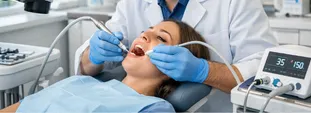
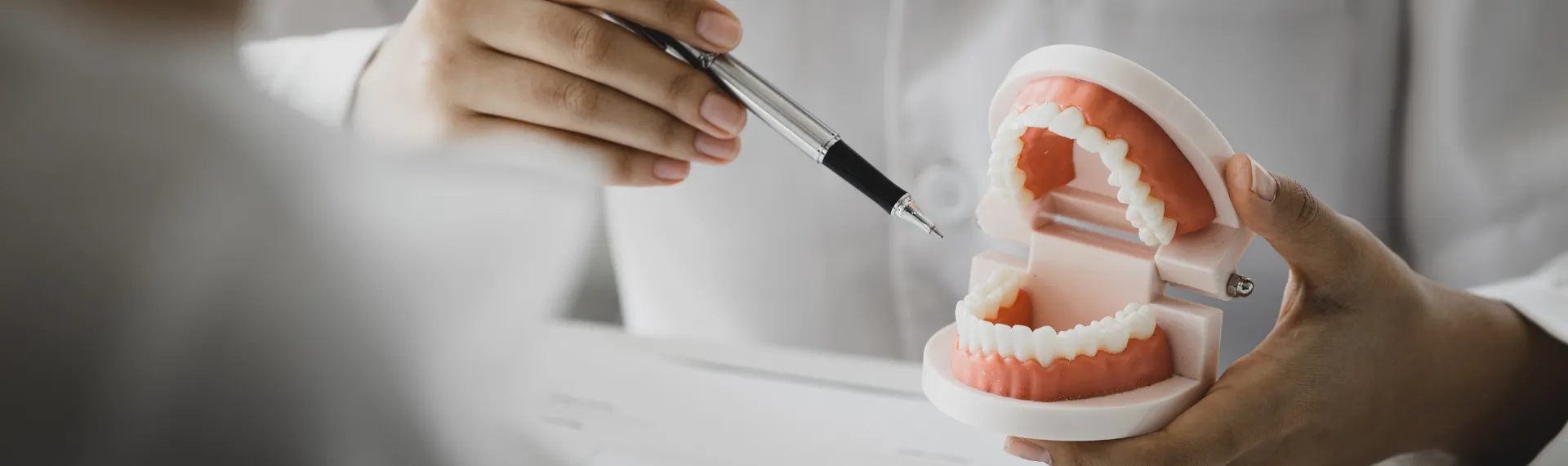
A dental consultation is a comprehensive assessment of the mouth, teeth, gums, jaws, and surrounding tissues. It is used to identify existing or potential problems, establish a diagnosis, and create a logical treatment plan. A first visit is therefore more than simply looking at the tooth that hurts. The dentist listens to the main concern and medical history, performs extra-oral and intra-oral examinations, and uses radiographs when they add useful diagnostic information.
During the assessment, the dentist may look for cavities, review old fillings, crowns and bridges, examine gum health, identify missing or impacted teeth, assess the tissues around root tips, examine jawbone and oral mucosa, and note possible signs of temporomandibular joint problems. Some conditions are detected before pain develops. Not every patient needs the same imaging: a periapical or bitewing X-ray, a panoramic X-ray, and CBCT answer different questions and are selected according to clinical need.
What Is a Dental Consultation and What Is It Used For?
A consultation combines the steps needed to identify diseases or abnormalities in the mouth and plan appropriate care. It is closely connected to dental radiology, but it is never simply an X-ray appointment. The aim is to consider the patient as a whole, prioritise treatment needs, and organise care in the correct sequence.
Medical conditions, regular medication, allergies, previous procedures, smoking, and the duration and pattern of pain can all influence interpretation. A radiograph cannot be interpreted in isolation. The medical and dental history, often referred to as the anamnesis, is therefore a core part of the diagnostic process.
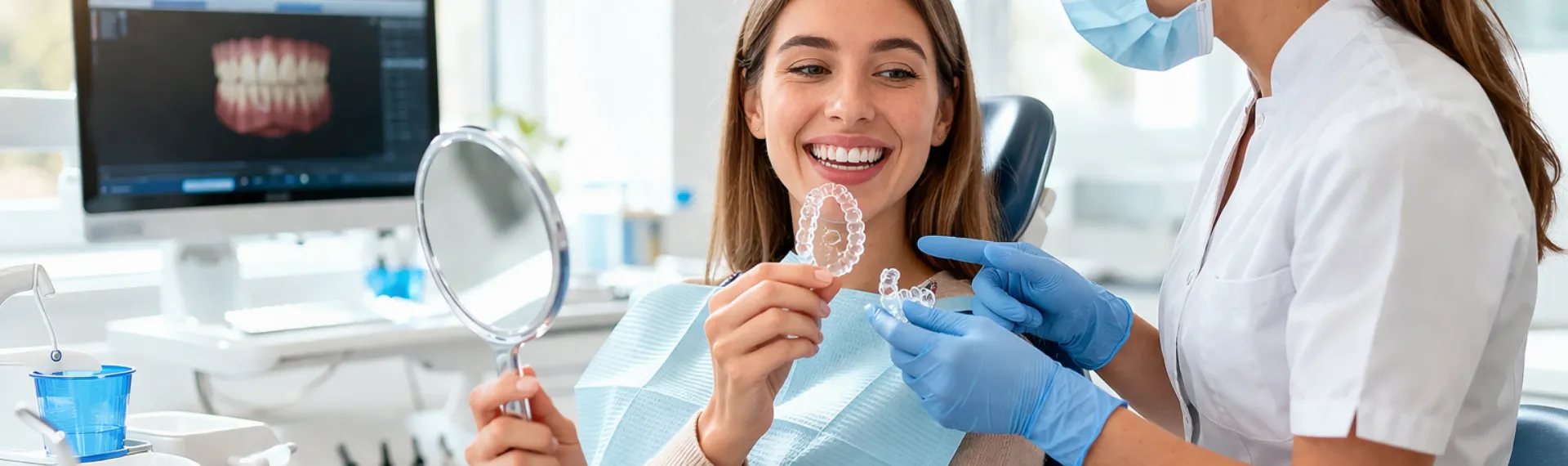
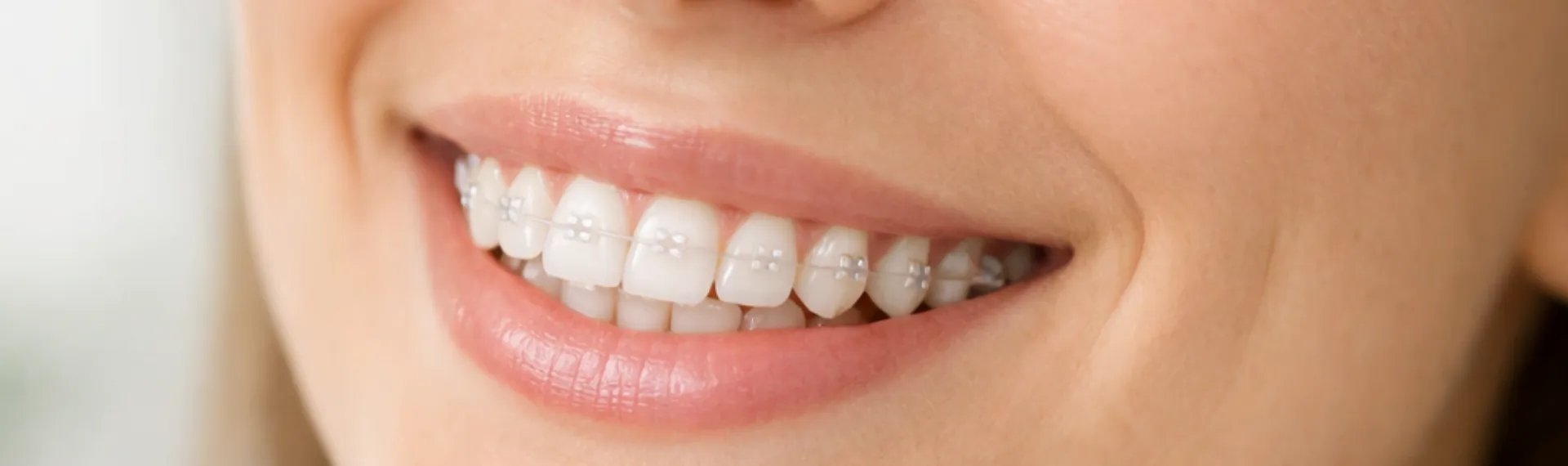
The result is usually a prioritised treatment plan rather than a simple list of procedures. Urgent pain or infection may need to be controlled first, followed by decay, endodontic problems, or gum disease, before longer-term treatment such as implants, prosthodontics, or orthodontics is started.
How Does a Dental Consultation Work? Steps of the Examination
-
Medical and dental history and reason for attendance: the dentist asks about the location and character of pain, onset, night pain, hot/cold sensitivity, swelling, bleeding, chewing discomfort, medical conditions, medicines, allergies, and previous dental care.
-
Extra-oral examination: facial symmetry, swelling, lymph nodes, mouth opening, jaw-joint movement, and visible head-and-neck changes may be assessed.
-
Intra-oral soft-tissue examination: the lips, cheeks, tongue, palate, floor of mouth, and gums are checked for changes in colour, texture, ulcers, swelling, or unusual lesions.
-
Teeth and restorations: the dentist checks for decay, fractures, wear, missing teeth, fillings, crowns, implants, and previously root canal-treated teeth. Sensibility, percussion, or vitality tests may be used when indicated.
-
Gum and periodontal assessment: bleeding, pocket depth, tartar, tooth mobility, and signs of bone-support loss are evaluated.
-
Occlusion and TMJ assessment: the way the teeth meet, crowding, bite problems, joint sounds or pain, and chewing-muscle tenderness can be reviewed.
-
Selection of imaging and additional tests: targeted X-rays, a panoramic image, or CBCT may be requested only when the information is expected to influence diagnosis or treatment.
-
Diagnosis and treatment planning: findings are combined to distinguish urgent problems from planned care and to decide whether referral to endodontics, periodontology, oral surgery, orthodontics, prosthodontics, or another discipline is needed.
At the end of the consultation, the patient should understand not only which tooth has a problem, but what the problem is, why treatment is recommended, and in what order the different steps should ideally be completed.
What Technologies Are Used in Oral Diagnosis?
|
Method |
What It Mainly Shows |
When It May Be Used |
|
Digital periapical / bitewing X-ray |
Roots of selected teeth, root-tip region, interproximal decay, and adjacent bone |
Localised pain, decay detection, endodontics, and focused assessment |
|
Panoramic dental X-ray |
Both jaws, general tooth position, impacted teeth, and larger bony areas |
Overall assessment, wisdom teeth, missing or impacted teeth, wider treatment planning |
|
3D dental scan (CBCT) |
Teeth and jaw structures in three dimensions |
Implant planning, complex impacted teeth, selected endodontic/surgical cases, and certain jaw lesions |
Digital Dental X-rays and Panoramic Scanning
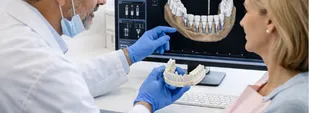
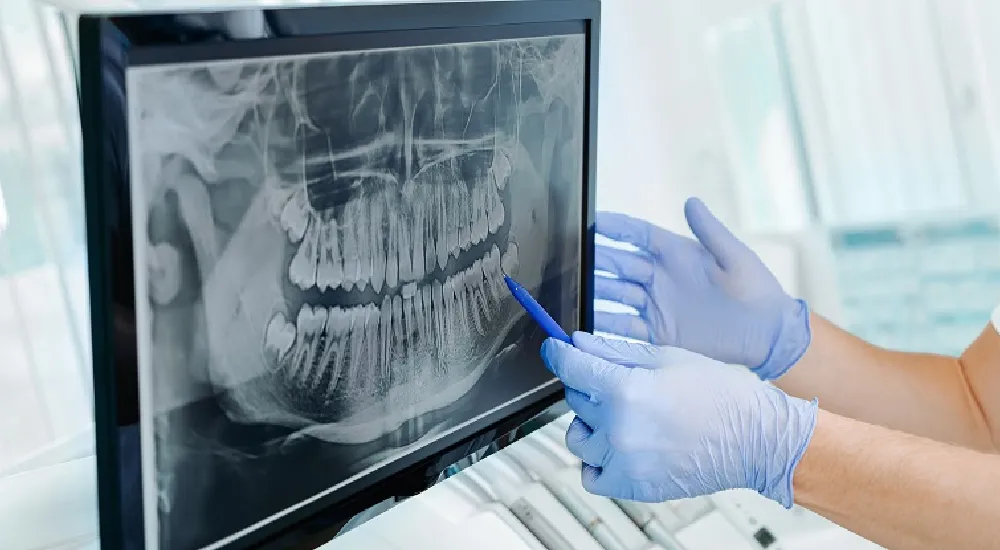
Digital dental radiographs complement the clinical examination. A periapical X-ray gives detailed information about one or a few teeth and the bone around their root tips, while bitewings are particularly useful for detecting decay between teeth and checking some restorations. A panoramic X-ray provides a broader view of both jaws, impacted wisdom teeth, unerupted teeth, and general jaw anatomy. It does not always replace small targeted images when fine detail is needed.
Imaging should be individualised. Recent diagnostic-quality images may sometimes be reused, and repeating the same X-rays simply out of routine is not always necessary. The decision should be based on the examination and the treatment being considered.
3D Dental Scan (Cone Beam / CBCT)
CBCT is a three-dimensional imaging method that shows teeth, jawbone, and nearby anatomical structures in cross-sectional views. It can help assess bone volume before implant placement, the relationship between an impacted tooth and a nerve canal or nearby roots, selected complex endodontic cases, trauma, surgery, and certain jaw lesions. It is not needed at every first consultation; it is used when the extra information is likely to change diagnosis or planning.
Dental Consultation at Dentopol
At Dentopol, the aim of the first consultation is to assess oral health as a whole, identify which diagnostic tests are actually necessary, and build a coordinated care pathway. The patient's main concern is addressed while the wider condition of the mouth is also considered.
-
Perform an initial oral examination and investigate the source of the current complaint.
-
Identify decay, fractures, old restorations, gum problems, missing teeth, and soft-tissue abnormalities.
-
Plan and interpret targeted X-rays, panoramic imaging, or other radiographic examinations when indicated.
-
Prioritise urgent treatment in the presence of acute pain, swelling, or signs of infection.
-
Arrange endodontic, periodontal, surgical, implant, prosthodontic, or orthodontic needs in the appropriate order.
-
Coordinate multidisciplinary care when more than one dental specialty is involved.
For example, a patient considering an implant may first need treatment for active gum disease or decay. Before aesthetic restorative treatment, a tooth requiring root canal treatment or a significant bite problem may need to be addressed. The initial consultation helps integrate these needs into one plan.
Frequently Asked Questions About Dental Consultations
How Long Does a Dental Consultation Take?
The duration depends on the reason for the visit and the examinations required. A simple first assessment may be relatively brief, while multiple treatment needs, significant gum disease, jaw-joint symptoms, or additional imaging can require more time. The goal is to gather enough information for a reliable diagnosis and coherent treatment plan rather than meet a fixed time limit.
Is an X-ray Mandatory at Every Dental Consultation?
No. The dentist first considers the reason for attendance, clinical findings, caries and periodontal risk, previous treatment, and any existing images. Imaging is requested when it is expected to provide information that cannot be obtained directly and may influence treatment.
Can Dental X-rays Be Taken During Pregnancy?
Necessary dental care should not automatically be postponed because of pregnancy. When a dental radiograph is clinically justified, modern techniques can be used with exposure optimisation. Tell the dentist and radiology team if you are pregnant or may be pregnant so they can confirm the indication and select the most appropriate examination.
If I Visit for One Painful Tooth, Will the Whole Mouth Be Examined?
The urgent problem is the priority, but during a comprehensive first assessment the dentist may also examine the remaining teeth, gums, and oral tissues. Pain can sometimes be referred from a neighbouring tooth, and other treatment needs may be present without symptoms. In a true emergency, the full assessment may be completed at a later visit.