











































































What Happens If a Dental Implant Touches a Nerve? Nerve Injury After Implant Surgery
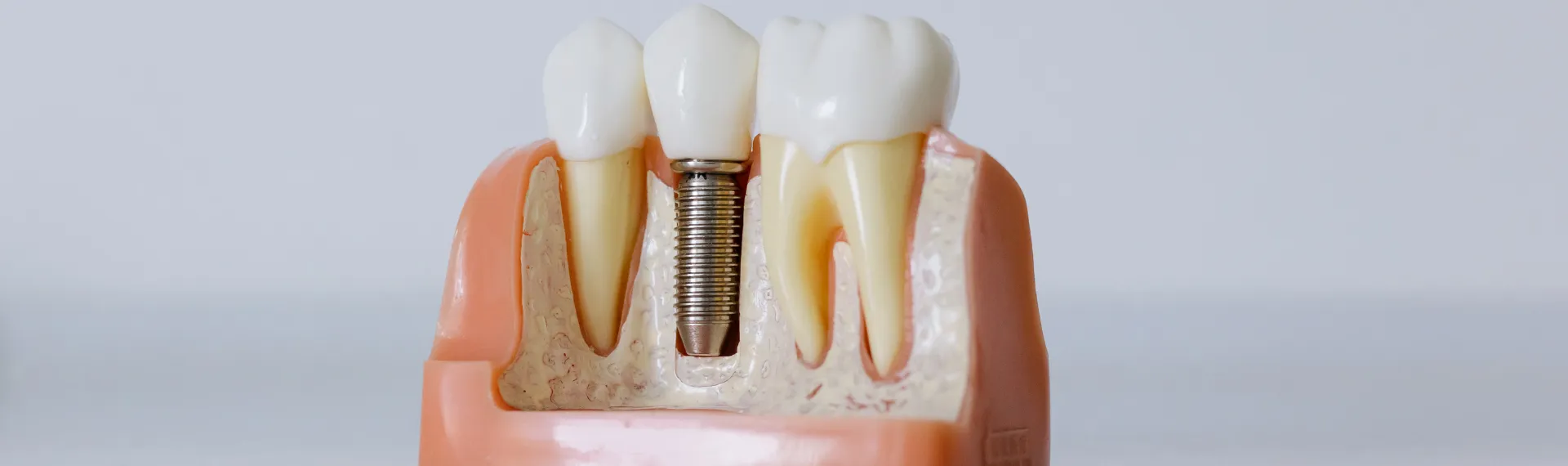
During dental implant placement, a nerve injury can occur if the implant is positioned too close to a nerve, comes into contact with the nerve canal, or puts pressure on surrounding tissues. In the back of the lower jaw, the structure of greatest concern is the mandibular canal, which contains the inferior alveolar nerve. This nerve provides sensation to the lower lip, chin, and parts of the lower jaw. The anatomy and risks are different in the upper jaw, which is why implant-related nerve complications are seen mainly in procedures involving the mandible.
A nerve injury does not necessarily mean that the nerve has been cut. Direct pressure from the implant, drilling too close to the canal, bleeding within the bone, or postoperative swelling can also irritate or compress the nerve. The severity of the symptoms and the likelihood of recovery therefore depend on the mechanism and extent of the injury. In some patients, tingling or numbness gradually improves, while more significant injuries may cause prolonged sensory loss or persistent neuropathic pain.
Numbness is expected while local anaesthesia is still working after implant surgery. However, if the lip, chin, or tongue remains clearly numb after the anaesthetic should have worn off, or if burning, electric-shock sensations, or loss of sensation develops, it should not simply be dismissed as routine postoperative discomfort. Early clinical and radiographic assessment is important when nerve contact or compression is suspected.
What Happens When a Dental Implant Touches a Nerve?
When an implant causes a complication involving a nerve, sensory transmission may be affected temporarily or permanently. If the nerve is only compressed or irritated by postoperative swelling, symptoms may improve with time. If the implant enters the mandibular canal, places substantial pressure on the nerve, or the surgery causes a more significant injury, recovery may be slower and complete return of sensation cannot be guaranteed in every case.
Symptoms are not limited to complete numbness. Some people notice reduced sensitivity to touch, while others experience pain from contact that would normally be harmless. Burning, tingling, pins-and-needles, electric-shock sensations, or altered perception of hot and cold can also occur. The pattern of symptoms helps the clinician characterise the injury, but sensory testing and imaging are still needed to understand the relationship between the implant and the nerve structures.
In the posterior mandible, the distance between the implant and the mandibular canal is a key part of treatment planning. Implant length, diameter, and angulation should not be selected on the basis of available bone height alone. The position of the nerve canal, anatomical variations, and the planned safety margin must all be incorporated into the surgical plan.
What Are the Symptoms of Nerve Injury After Dental Implant Placement?
The most common signs are reduced sensation or abnormal sensations. Depending on the area involved, they may affect the lower lip, chin, lower-jaw gum, or part of the tongue. Symptoms are often one-sided and usually correspond to the side on which the implant was placed.
|
Symptom |
How might the patient describe it? |
When should it be checked? |
|
Numbness / loss of sensation |
It feels as though the anaesthetic never wore off in the lip or chin. |
If it persists beyond the expected duration of the anaesthetic. |
|
Tingling / pins and needles |
A prickling, crawling, or pins-and-needles feeling in an area that is numb. |
If it appears after surgery or becomes more pronounced. |
|
Burning / electric-shock pain |
A burning pain or shock-like sensation, either spontaneous or triggered by touch. |
If neuropathic pain is suspected. |
|
Altered sensation |
Heat, cold, or touch feels different from normal. |
If the change persists or interferes with daily activities. |
|
Accidental lip biting |
Difficulty accurately sensing the position of the lip. |
If sensory loss leads to repeated injuries. |
During the first hours after surgery, numbness may simply reflect the local anaesthetic. In contrast, marked sensory loss that continues after the anaesthetic should have worn off, new neuropathic pain, or progressively worsening abnormal sensations should be assessed. When nerve injury is possible, routinely waiting several days in the hope that symptoms will improve is not always the best approach.
An injury to the inferior alveolar nerve is not the same as facial paralysis. This nerve is primarily sensory, so symptoms mainly involve the perception of touch, temperature, and pain in the lower lip and chin. Prolonged sensory loss can nevertheless interfere indirectly with speaking, eating, shaving, applying makeup, or noticing food that is too hot.
How Is Nerve Injury After Dental Implant Surgery Treated?
Management depends on the cause and severity of the injury. The first step is to establish when the symptoms began and carry out a neurosensory examination. The clinician may map the affected area and compare different types of sensation, such as light touch or two-point discrimination. A panoramic radiograph and, especially when close proximity to the mandibular canal is suspected, a CBCT scan can help assess the implant position.
If imaging and clinical findings suggest that the implant is in direct contact with the nerve, has entered the canal, or is causing substantial mechanical pressure, that compression may need to be relieved promptly. Depending on the situation, this may involve slightly backing the implant out or removing it. The decision is not based on numbness alone; symptom pattern, timing, sensory test results, and imaging findings all need to be considered.
Medications aimed at reducing inflammation around the nerve or controlling neuropathic pain may also be considered by the treating clinician. Corticosteroids, pain relievers, or medicines used for neuropathic pain are not suitable for every patient and should not be started without a prescription. If there is a significant or persistent sensory deficit, assessment by an oral and maxillofacial surgeon or a team experienced in nerve injuries may be required.
When the problem is mild irritation or temporary compression, gradual improvement may occur over several weeks or months. More severe injuries may recover more slowly and can sometimes leave lasting symptoms. Prognosis therefore depends on the type of injury, how quickly it is addressed, the patient’s ability to recover, and the extent of damage to the nerve fibres.
How Can the Risk of Nerve Injury During Implant Treatment Be Reduced?
Prevention is the most effective strategy. Before placing an implant near the mandibular canal, the clinician should assess bone height and width, the planned implant length and diameter, and the exact location of relevant nerve structures.
-
Use an appropriate clinical examination and imaging. If an area appears anatomically high-risk or the canal cannot be assessed clearly on a two-dimensional image, CBCT may be indicated.
-
Select implant length and diameter with the mandibular canal and mental nerve in mind, allowing an appropriate safety margin for the individual case.
-
Control drilling depth and insertion angle during surgery so that the limits established during planning are respected.
-
In severely resorbed lower jaws, consider shorter implants, bone augmentation, or another prosthetic solution when appropriate rather than excessively reducing the nerve safety margin.
-
Before treatment, explain the rare but important possibility of postoperative sensory disturbance.
-
After surgery, arrange prompt assessment if significant numbness or abnormal sensation persists after the local anaesthetic has worn off.
There is no single ideal implant-to-nerve distance that can be applied to every patient. Imaging accuracy, anatomical variations, the position actually achieved during surgery, and the planned safety margin must be considered together. The goal is not merely to identify the canal on an image, but to plan surgery that leaves a predictable safety buffer around the nerve.
Frequently Asked Questions About Nerve Injury After Dental Implant Surgery
How Long Can Lip Numbness Last After a Dental Implant?
There is no maximum number of days that applies to every patient. During the first few hours, numbness is often due to the local anaesthetic. If the lip or chin remains clearly numb after the anaesthetic should have worn off, early assessment is recommended. Mild nerve irritation may improve within days or weeks, while a more significant injury may require several months of recovery and, in some cases, sensation may not return completely.
If an Implant Touching the Nerve Is Removed, Will the Numbness Completely Go Away?
Removing the implant does not by itself guarantee complete recovery of sensation. If the nerve has mainly been compressed and the pressure is relieved quickly, the chances of recovery may be better. If the nerve fibres have sustained a more substantial injury, altered sensation may persist even after the mechanical cause has been removed. Prognosis depends on the severity of the injury and how quickly it is managed.
Can Nerve Injury After an Implant Cause Facial Deformity?
Injury to the inferior alveolar nerve does not usually cause facial deformity or facial paralysis because this nerve is primarily responsible for sensation in the lower lip and chin. The face can look completely normal even when part of it feels numb. The patient may, however, bite the lip without noticing or experience difficulty while speaking or eating. True muscle weakness or marked facial asymmetry suggests another cause and requires separate assessment.
Does the Patient Feel Pain If the Implant Gets Close to the Nerve During Surgery?
Not necessarily. Implant surgery is performed under local anaesthesia, which blocks many sensations. Getting too close to the nerve therefore does not always produce a sharp pain that immediately alerts either the patient or the clinician. Safety depends mainly on preoperative imaging, careful control of drilling depth, and precise surgical execution. Symptoms may only become obvious after the anaesthetic wears off.
Can a Nerve Injury Heal on Its Own Without Treatment?
Some mild nerve injuries can improve gradually without invasive treatment, particularly when the nerve fibres have not been severed and the problem is limited to irritation or temporary compression. Recovery over several weeks or months may occur. However, if an implant continues to place mechanical pressure on the nerve, waiting without identifying the cause can be harmful. Early assessment helps determine whether decompression or another intervention is needed.
When numbness, burning, electric-shock sensations, or sensory loss persists, changes should be documented and followed over time. If there is no improvement or neuropathic pain develops, more specialised management may be recommended. Nerve injury after implant surgery is rare but clinically important, so a new and definite loss of sensation after the anaesthetic has worn off deserves prompt review.
This content is for general information only and does not replace a clinical examination, appropriate imaging, or professional advice. If significant numbness of the lip, chin, or tongue, burning, or electric-shock sensations persist after the anaesthetic should have worn off, contact the dentist or oral and maxillofacial surgery team responsible for your treatment promptly.