

























































What Should You Avoid Eating With Braces? Foods to Limit and Practical Tips
With fixed braces, the foods that need the most caution are those hard enough to loosen a bracket or bend the archwire, as well as very sticky foods that can wrap around the attachments. Chewing ice, cracking very hard nuts with the teeth, biting directly into a thick hard bread crust, or eating caramel and very sticky sweets can place unnecessary force on the appliance. Frequent sugary and acidic drinks can also make cleaning around the brackets more difficult and increase the risk of white-spot demineralisation and tooth decay.
Orthodontic treatment is not meant to impose an endless list of forbidden foods. Apples, quince, carrots, and corn do not necessarily have to be removed from the diet; how they are eaten is often more important. Cutting firm fruit and vegetables into small pieces, removing corn kernels from the cob instead of biting directly into it, and cutting large sandwiches rather than tearing them with the front teeth helps reduce sudden forces on the brackets.
During the first few days after braces are fitted, or after some adjustment appointments, the teeth may remain sensitive for several days. Soft foods are useful during this period not only because they protect the appliance but also because they make chewing more comfortable. As sensitivity settles, the diet can be expanded gradually. Caution with very hard, sticky, or appliance-damaging foods should nevertheless continue throughout treatment.
Why Does Diet Matter During Orthodontic Treatment?
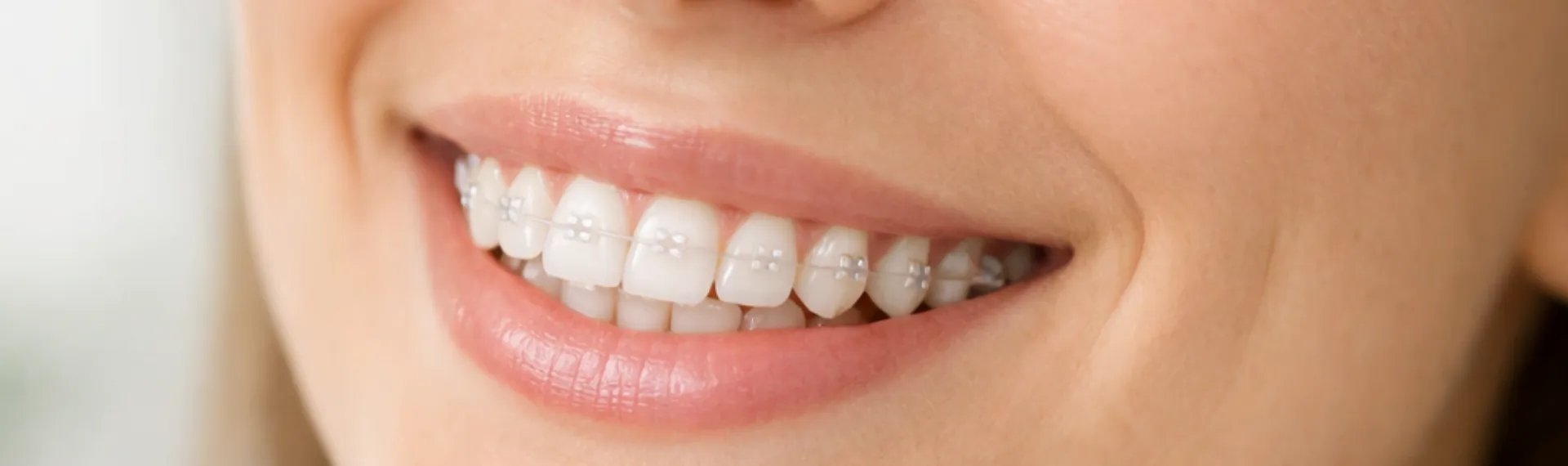
With fixed braces, the brackets are bonded to the tooth surfaces with a dental adhesive, and the archwire applies controlled forces through those attachments. Brackets are designed to tolerate normal chewing, but biting directly into a very hard food or pulling on a sticky food can place unusual stress on the bond. A loose bracket, bent wire, or displaced component can interrupt the planned treatment and may require an additional appointment.
Diet also affects oral hygiene. Food debris collects more easily around brackets, wires, and elastics than on teeth without an appliance. Frequently sipping sugary drinks throughout the day or leaving sticky sweets in contact with the teeth for long periods allows plaque bacteria to produce acid repeatedly. The chalky white areas sometimes seen after braces are removed are generally not caused by the brackets themselves, but by prolonged plaque accumulation and acid attacks around them.
The ideal approach is therefore to protect the appliance mechanically while maintaining a balanced diet. Instead of eliminating fruit, vegetables, protein foods, or carbohydrates completely, choose textures and ways of eating them that are compatible with braces.
Which Foods Should You Avoid With Braces?
In orthodontics, the phrase “forbidden food” does not apply equally to everything. For some foods, simply changing how you eat them can lower the risk. Habits such as chewing ice or eating very sticky sweets, however, directly expose brackets and wires to mechanical stress and are best avoided as much as possible.
Hard and Brittle Foods: Nuts, Bread Crusts, and Ice
Ice cubes, hard sweets, very firm bread crusts, and whole hard nuts can transmit sudden force to orthodontic attachments. Chewing ice is a risk not only for braces but also for natural teeth and certain restorations. If you eat nuts, avoid cracking very hard ones with your teeth and choose small pieces that can be chewed slowly and with control.
Popcorn also needs caution. The main problem is not the soft popped pieces, but the unpopped kernels, which can place considerable force on a bracket or tooth. Small husks can also become trapped between the gum and the attachments.
Sticky Foods: Turkish Delight, Chewing Gum, Caramel, and Sweets
Caramel, very sticky sweets, some types of Turkish delight, and other dense chewy confectionery can wrap around the brackets and pull on the appliance during chewing. They also keep sugar around the attachments for longer. Because they are harder to remove, they may encourage plaque accumulation, cavities, and white spots around the brackets.
Recommendations about chewing gum depend on the appliance and the orthodontist’s instructions. Some clinicians allow occasional sugar-free, low-stick gum, while others prefer patients to avoid it completely to protect brackets and auxiliaries. It is therefore more accurate to follow your own orthodontist’s advice than to assume that every type of chewing gum is always forbidden.
Foods You Bite Into: Apples, Quince, and Corn on the Cob
With apples, quince, firm pears, carrots, and similar foods, the main issue is not the food itself but tearing off a large piece with the front teeth. That movement can create a levering force on the brackets. Cutting these foods into thin slices or small cubes and chewing them gently with the back teeth is generally safer.
Corn should not be bitten directly off the cob either. The kernels can be cut off before eating. Sandwiches with firm crusts, baguettes, and large burgers can also be cut into small pieces rather than torn with the teeth. This makes it possible to keep a varied diet while protecting the orthodontic appliance.
Acidic and Sugary Drinks: Enamel Demineralisation and Cavity Risk
Fizzy drinks, energy drinks, and other highly sweetened beverages do not usually break brackets directly, but they create another problem during orthodontic treatment. Bacteria convert sugar into acids, while acidic drinks themselves can contribute to mineral loss from enamel. Because cleaning around brackets is already more demanding, sipping these drinks frequently throughout the day can increase the risk of white spots and cavities.
Water remains the simplest everyday drink. If you have a sugary or acidic drink, it is better to have it occasionally and with a meal rather than sip it for hours. Drinking water afterwards and cleaning the teeth at an appropriate time also helps. After a very acidic drink, rinsing with water and waiting a little before vigorous brushing gives the enamel surface time to recover from the acid exposure.
How Can You Eat With Braces Without Damaging the Brackets?
With braces, it is often enough to adapt how you eat rather than eliminate many foods completely. The following habits can help protect the brackets in everyday life:
-
Cut apples, carrots, and firm pears into small pieces instead of biting into them whole with the front teeth.
-
Cut sandwiches, burgers, and firm bread into bite-sized pieces instead of tearing them with large bites.
-
Do not bite corn directly from the cob; remove the kernels first.
-
Cut meat and chicken into small pieces instead of pulling meat from the bone with your teeth.
-
Even with the back teeth, do not try to break extremely hard foods by applying excessive force.
-
After brackets are fitted or the archwire is adjusted, choose softer textures while the teeth are tender.
-
After meals, clean food debris carefully from around the brackets and archwire.
If you suddenly feel a bracket move, hear a small click, or notice that the wire is beginning to poke the cheek, avoid repeatedly touching or manipulating the area. Orthodontic wax can provide temporary relief, but if you think a bracket has come loose or the wire has shifted, contact the clinic.
Which Foods Are Easier to Eat With Braces?
A “braces-friendly” food is mainly one that places little mechanical stress on the brackets while still contributing to a balanced diet. Soft textures are particularly useful early in treatment, but a wide variety of foods can still be eaten later when prepared appropriately.
|
Food group |
Suitable examples |
What to watch for |
|
Fruit and vegetables |
Banana, avocado, ripe peach, well-cooked vegetables, apple or carrot cut into small pieces |
Do not bite whole firm foods directly with the front teeth. |
|
Protein and dairy |
Yoghurt, kefir, eggs, soft cheese, fish, minced meat, well-cooked chicken |
Cut meat into small, easy-to-chew pieces. |
|
Starches and grains |
Soft bread, pasta, rice, oats, well-cooked bulgur |
Be careful with very hard crusts and extremely crunchy foods. |
|
Soups and slow-cooked dishes |
Vegetable soup, lentil soup, well-cooked pulses and vegetables |
Very hot food may be uncomfortable if the soft tissues are irritated. |
Soft Fruits and Vegetables
Banana, avocado, ripe peach, soft pear, and well-cooked vegetables can be eaten without placing much pressure on brackets. Firmer fruit and vegetables do not necessarily need to be avoided; slicing them thinly, grating them, cutting them into small cubes, or cooking them until softer is often enough. This approach helps maintain a good intake of fibre and vitamins.
Dairy Products and Soft Protein Sources
Yoghurt, kefir, milk, soft cheeses, and eggs are easy protein sources, especially during the first few days. Fish, minced meat, meatballs, and meat or poultry cooked until tender can also be eaten in small bites. Adjusting texture and portion size is usually better than unnecessarily reducing protein intake.
Starches and Grains
Well-cooked pasta, rice, oats, soft bulgur, and breads with a soft crust are generally easy to eat. Problems arise mainly with very hard baguette crusts, extremely crunchy crackers, or snacks that must be broken with the teeth. Cutting bread and sandwiches into smaller pieces reduces the stress on brackets.
Soups and Slow-Cooked Dishes
Soups, soft vegetable dishes, and well-cooked pulses are particularly practical when the teeth are sensitive during the first few days. Lentil, vegetable, chicken, or yoghurt-based soups can contribute energy and protein to a meal. There is no need to stay on a liquid diet; as sensitivity decreases, more solid but still easy-to-chew foods can be reintroduced gradually.
Frequently Asked Questions About Eating With Braces
Can Chewing Gum Damage Brackets?
The level of risk depends on the texture of the gum, the type of appliance, and your orthodontist’s instructions. Very sticky gum can wrap around brackets and wires, make cleaning difficult, and pull on some orthodontic components. Some clinicians occasionally allow sugar-free gum that is not very sticky, while others recommend avoiding gum throughout treatment. The safest option is to follow the advice of the orthodontist managing your case.
How Should You Eat Fruit That You Should Not Bite Into Directly?
Apples, quince, firm pears, and carrots can be cut into thin slices or small cubes. Chewing them slowly with the back teeth reduces the levering force on the brackets attached to the front teeth. Changing how these foods are prepared helps protect the appliance while keeping the diet varied.
How Can You Tell If a Bracket or Wire Has Moved After Eating Something Hard?
A bracket that has detached from the tooth and slides along the wire, a wire that is no longer in its usual position, a metal end that starts to poke the cheek or lip, or a small component found in the mouth can all suggest a problem with the appliance. Not every discomfort means that the wire is broken; sometimes the end has simply moved a few millimetres. Rather than cutting or re-bonding a component yourself, it is safer to send a photo to the clinic or arrange a review.
When Does Eating Become Normal Again After Braces Are Fitted?
After braces are fitted or adjusted, tenderness usually decreases within a few days for most patients, allowing a gradual return to more familiar food textures. However, “eating normally” does not mean returning to hard and sticky foods exactly as before while the brackets remain in place. Throughout treatment, it is still useful to cut firm foods into small pieces, avoid large bites, and limit very sticky products.
What Can a Braces-Friendly Day of Meals Look Like?
For example, breakfast might include eggs, soft cheese, yoghurt, and fruit cut into small pieces. Lunch could be soup, rice or pasta with tender meat or fish. Kefir, banana, or yoghurt can work well as snacks. In the evening, well-cooked vegetables, bulgur or pasta, and a soft protein source can make a balanced meal. The goal is not to eat only soft food, but to maintain a balanced intake of protein, fruit and vegetables, carbohydrates, and dairy or suitable alternatives.
Reducing the frequency of sugary snacks and choosing water as the main drink can also help lower the risk of cavities around the brackets. People with diabetes, coeliac disease, allergies, or other specific nutritional needs should adapt these examples according to advice from their healthcare professionals.
Having braces should not turn eating into an overly restrictive diet. The main goal is to develop habits that protect the appliance: avoid very hard and sticky foods, cut firm foods into smaller pieces, clean carefully around the brackets, and continue eating a balanced diet. These precautions support both treatment comfort and oral health. This content is for general information only; your orthodontist’s instructions should take priority according to your appliance and individual situation.