






























































Gum Inflammation After a Dental Implant: Symptoms and Treatment
Yes, inflammation can develop in the gum and other tissues surrounding a dental implant. However, redness or bleeding around an implant does not always mean the same condition. When inflammation is limited to the soft tissues, it is called peri-implant mucositis. When inflammation is accompanied by loss of the bone supporting the implant, the condition is known as peri-implantitis. This distinction matters because inflammation limited to the gum can often be brought under control when treated early, whereas peri-implantitis with bone loss may require more complex treatment.
Bacterial plaque buildup is one of the main factors associated with peri-implant inflammation. Risk may also be higher in people with a history of periodontitis, irregular professional maintenance, smoking, or poorly controlled diabetes. Persistent redness, bleeding during brushing or when the area is touched, a bad taste, discharge, or tenderness around an implant should be assessed by a dentist rather than simply left to resolve on its own.
At Dentopol, the assessment is not limited to the implant itself. Gum health, plaque control, bone levels around the implant, how easy the implant restoration is to clean, and patient-specific risk factors are considered together. Early diagnosis can help prevent peri-implant mucositis from progressing and, when peri-implantitis is already present, allows treatment to be planned with the aim of preserving the implant whenever possible.
What Is Gum Inflammation Around a Dental Implant?
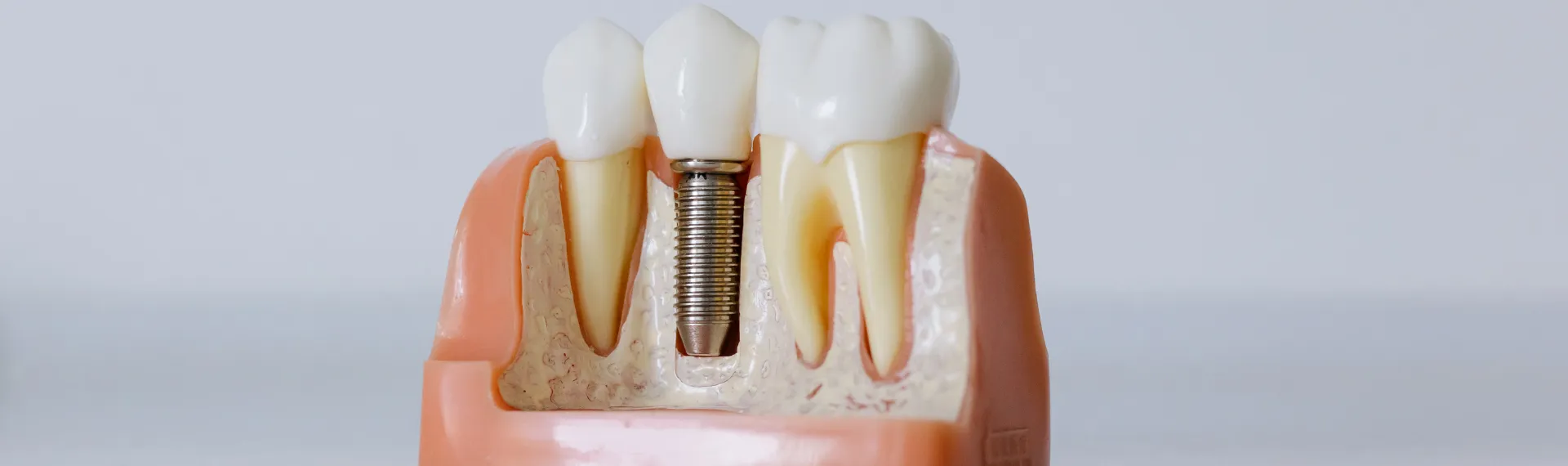
Peri-implant diseases are inflammatory conditions affecting the soft tissues and, in some cases, the bone around a dental implant. Just as bacterial biofilm can build up around natural teeth, it can accumulate on the implant surface and around an implant-supported crown or bridge. This plaque can trigger an inflammatory response in the surrounding tissues.
In peri-implant mucositis, inflammation is confined to the gum and there is no progressive bone loss caused by the disease. Bleeding during probing or brushing is one of the most common signs. When detected early, improved oral hygiene and professional cleaning can often bring the inflammation under control.
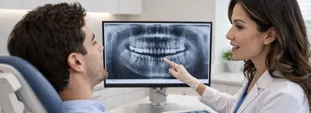
In peri-implantitis, soft-tissue inflammation is accompanied by loss of the bone supporting the implant. It is therefore more than a superficial gum irritation. The amount of bone loss and the shape of the defect around the implant influence the treatment approach. Because bleeding around an implant does not automatically mean peri-implantitis, diagnosis is based on a clinical examination and, when appropriate, radiographic assessment.
|
Condition |
Main feature |
Why it matters |
|---|---|---|
|
Healthy peri-implant tissues |
No bleeding, discharge, or marked signs of inflammation. |
Regular home care and professional monitoring help maintain this healthy condition. |
|
Peri-implant mucositis |
Redness and/or bleeding of the soft tissues without disease-related bone loss. |
Early treatment can often return the tissues to a healthy state. |
|
Peri-implantitis |
Inflammation associated with loss of supporting bone around the implant. |
It can compromise implant prognosis and may require more extensive treatment. |
Why Can Inflammation Develop Around a Dental Implant?
Inflammation around an implant rarely has a single cause. It is often related to bacterial plaque buildup combined with patient-, implant-, or restoration-related factors. When the implant surface or the contours of the crown or bridge are difficult to clean, biofilm can accumulate and sustain inflammation.
The main factors that can increase the risk include:
-
Inadequate oral hygiene and prolonged plaque buildup around the implant.
-
A history of periodontitis, meaning advanced gum disease.
-
Irregular dental check-ups and lack of professional implant maintenance.
-
Smoking or regular use of tobacco products.
-
Poorly controlled diabetes.
-
An implant restoration that is difficult to clean or local irritants such as excess dental cement.
-
Unfavourable gum conditions around the implant that make effective plaque removal more difficult.
It is also important to distinguish the normal healing response during the first few days after surgery from peri-implant disease that develops months or years later. Moderate swelling and tenderness shortly after implant placement may be part of normal healing. Peri-implant mucositis and peri-implantitis, by contrast, are inflammatory diseases mainly associated with bacterial biofilm. Swelling that appears immediately after surgery should therefore not automatically be interpreted as peri-implantitis.
What Are the Symptoms of Inflammation Around an Implant?
In its early stages, peri-implant disease may develop without significant pain. The absence of pain does not rule out a problem. During follow-up visits, bleeding, pocket depth around the implant, and bone levels when indicated are assessed so that inflammation can be identified as early as possible.
Signs that deserve attention can include:
-
Redness or swelling of the gum around the implant.
-
Bleeding easily during brushing, interdental cleaning, or clinical examination.
-
Inflammatory discharge or a bad taste coming from the implant area.
-
Gum recession that makes the implant surface or a metal component more visible.
-
In more advanced cases, discomfort while chewing or tenderness around the implant.
-
In very advanced cases with substantial bone loss, implant mobility.
Mobility is not usually an early sign of peri-implantitis. As long as the implant remains osseointegrated, it may stay stable despite some loss of surrounding bone. Mobility can suggest extensive bone loss or loss of osseointegration and requires prompt assessment.
How Is Gum Inflammation Around an Implant Treated?
Treatment depends on the stage of the disease. Management is different when inflammation is limited to the gum compared with cases in which bone loss is already present. In all situations, improving plaque control, learning an implant-specific cleaning technique, and professionally removing deposits around the implant and restoration are essential steps.
For peri-implant mucositis, a non-surgical approach is usually preferred. Professional mechanical cleaning, improved oral hygiene, and correction of local factors that make cleaning difficult can help reduce inflammation. Follow-up is then used to confirm that bleeding and other inflammatory signs are improving.
When peri-implantitis is associated with bone loss, surgical treatment may be needed if non-surgical cleaning and risk-factor control are not sufficient. Depending on the shape of the bone defect, different techniques may be considered, including regenerative procedures, resective surgery, or mechanical modification of selected areas of the implant surface. The strategy should be personalised according to implant position, the extent of bone loss, soft-tissue conditions, and whether the area can be kept clean over the long term.
Antibiotics are not, by themselves, the main treatment for peri-implant inflammation. They may be prescribed as an adjunct in selected situations, but the biofilm and local contributing factors still need to be addressed. Taking antibiotics without professional advice may temporarily mask symptoms without treating the underlying cause.
How Can Inflammation Around a Dental Implant Be Prevented?
Prevention depends on consistent maintenance, even many years after implant placement. An implant cannot develop a cavity in the way a natural tooth can, but the gum and bone around it remain vulnerable to bacterial plaque. An implant should therefore not be treated as an artificial tooth that no longer requires care.
-
Brush the teeth and implant-supported restorations regularly.
-
Use an interdental brush, floss, or another cleaning aid recommended for the implant area.
-
Attend the dental or periodontal check-ups and professional maintenance visits recommended for you.
-
Keep a more frequent maintenance schedule if you have a history of periodontitis.
-
Reduce or stop smoking, with professional support if needed.
-
If you have diabetes, work with your physician to maintain good blood glucose control.
-
Do not wait until the next routine appointment if bleeding, swelling, or discharge develops.
During follow-up, the clinician does not simply check whether the implant is stable. The gum is examined for inflammation and bleeding, plaque levels and pocket depths are assessed, and bone levels are reviewed when necessary. People with a history of advanced periodontal disease, smokers, and patients with certain general risk factors may benefit from a personalised maintenance programme.
Frequently Asked Questions About Gum Inflammation After an Implant
Can Inflammation Around a Dental Implant Go Away on Its Own?
Very mild irritation may sometimes improve when oral hygiene improves, but once peri-implant mucositis has been diagnosed, relying on spontaneous resolution is not recommended. If plaque remains, inflammation may persist and, in some patients, progress to a more advanced form. If there is bleeding, redness, or swelling, a dental review and professional cleaning are generally the safer approach.
Can an Implant With Peri-Implantitis and Bone Loss Be Saved?
In many cases, treatment can be aimed at preserving the implant. Prognosis depends on the amount and pattern of bone loss, implant position, access to the implant surface, soft-tissue condition, plaque control, and factors such as smoking or diabetes. After non-surgical treatment, resective or regenerative surgery may sometimes be indicated. If bone loss is very advanced, the implant becomes mobile, or the infection cannot be controlled, implant removal may need to be considered.
How Many Years After Placement Can Peri-Implant Inflammation Develop?
There is no fixed timeframe. Peri-implant disease can develop within months of implant placement or many years later. Deterioration in plaque control, stopping professional maintenance, or changes in risk factors can contribute to late-onset disease. An implant that has functioned well for a long time still requires ongoing follow-up.
Is the Risk of Inflammation Higher in Patients With Diabetes?
Poorly controlled diabetes can affect healing and the body’s ability to control infection and is one of the factors that may increase the risk of peri-implant disease. Having diabetes, however, does not mean that inflammation will inevitably develop around an implant. Good blood glucose control, effective oral hygiene, avoiding tobacco, and regular professional maintenance all play important roles in risk management. The frequency of follow-up should be adapted to the patient’s oral and general health.
What Can You Do at Home at the First Signs of Inflammation?
The first step is to continue gentle but regular cleaning around the implant rather than stopping brushing altogether. Interdental brushes or other cleaning aids previously recommended by the dentist can be used. Do not attempt to puncture a swelling, start antibiotics without a prescription, apply irritating substances, or rely on mouthwash alone to solve the problem.
If bleeding or swelling does not improve within a few days, or if there is discharge, a persistent bad taste, significant pain, or a feeling that the implant is moving, you should see a dentist or periodontist. Rapidly increasing facial swelling, fever, or difficulty swallowing or breathing requires urgent medical assessment.
Inflammation around an implant is generally easier to control when detected early. Distinguishing peri-implant mucositis from peri-implantitis with bone loss is essential for choosing the appropriate treatment. Long-term implant health depends on effective plaque control at home, regular professional maintenance, and management of individual risk factors. This content is for general information only and does not replace a personalised dental examination.