











































































What Is a Gummy Smile? Causes and Treatment Options
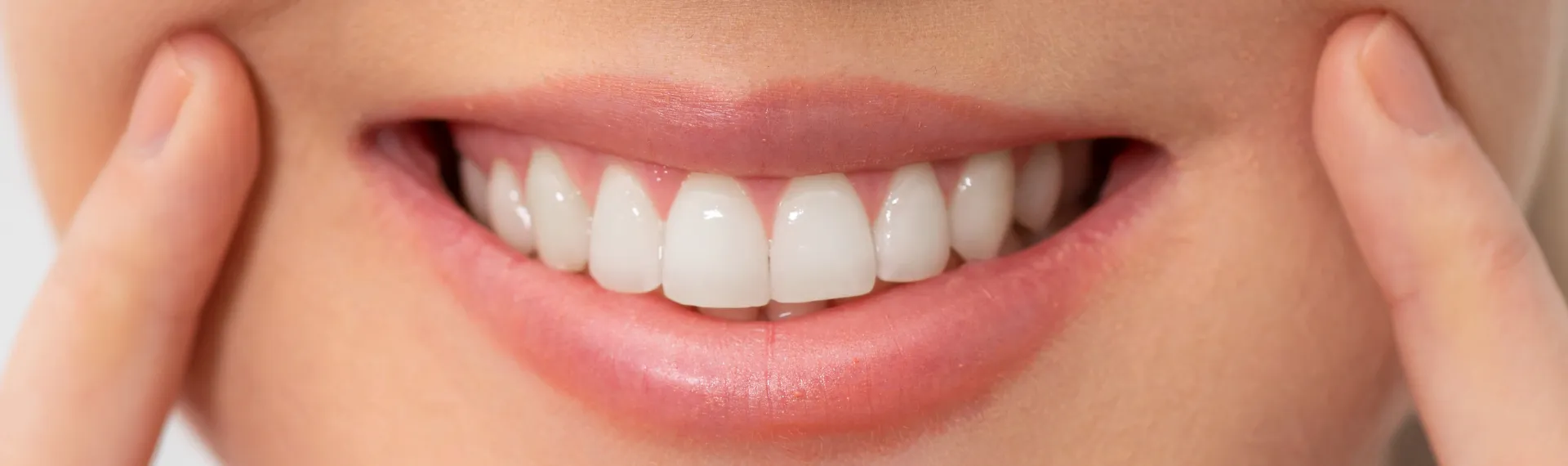
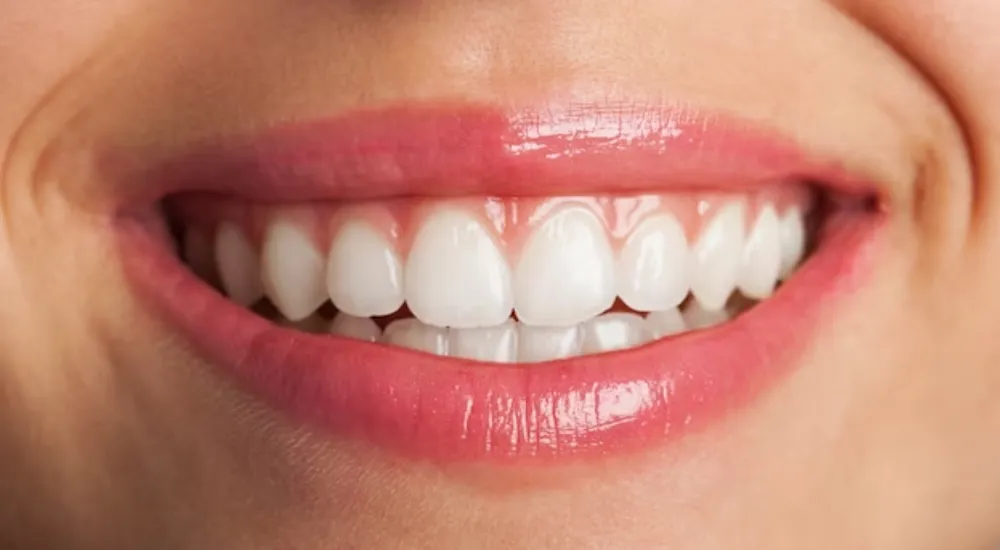
A gummy smile, also known as excessive gingival display, describes a smile in which a noticeable amount of gum above the upper teeth is visible. It is not a disease in itself and does not automatically require treatment. If a person is unhappy with the balance between the teeth, gums, and lips, however, several options may be considered depending on the cause. The key is not simply to “show less gum,” but to understand why the gingival display is increased.
A gummy smile can have several causes: gum tissue covering too much of the teeth, an upper lip that lifts excessively when smiling, the position of the upper incisors, altered eruption that makes the teeth look short, or increased vertical development of the upper jaw. Some patients have more than one contributing factor. This is why gingivectomy, botulinum toxin, or orthodontic treatment that works well for one person may not produce the same result in another.
At Dentopol, smile analysis considers tooth dimensions and position, the gum line, the upper lip at rest and during smiling, the bite, and, when necessary, the structure of the upper jaw. Treatment should aim not only to reduce visible gum but to create a natural balance between the teeth, lips, and facial proportions.
Why Are the Gums So Visible When Smiling?
The amount of gum visible when smiling is influenced by several factors working together: tooth length, the position of the gum margin, the length and mobility of the upper lip, and the position of the upper jaw within the face. A single measurement is therefore not enough. The clinician usually assesses the smile line, how much tooth is visible at rest, how far the upper lip rises during smiling, and the clinical crown height of the teeth.
Common causes include:
-
With altered passive eruption, the gum covers more of the anatomical crown than expected, making the teeth appear shorter.
-
A hypermobile upper lip can rise excessively during smiling and expose a larger band of gum.
-
An anatomically short upper lip can change the balance between the lip, teeth, and gum both at rest and when smiling.
-
A low vertical position of the upper incisors and surrounding alveolar bone, or excessive eruption of the teeth, can increase gingival display.
-
Excessive vertical development of the upper jaw can be an important skeletal cause, particularly in moderate to severe gummy smiles.
-
Gingival enlargement related to certain medications, plaque-related inflammation, or periodontal disease can make the teeth appear shorter.
Correctly identifying the cause is essential for a predictable, lasting result. If the teeth are simply covered by too much gum, gum contouring may help. In a patient with significant vertical maxillary excess, however, removing gum alone could expose roots without addressing the underlying problem. Similarly, botulinum toxin can temporarily reduce gingival display when the upper lip is hypermobile, but it does not change bone levels or the true position of the gum.
The relationship between the cause of a gummy smile and possible treatment options can be summarised as follows:
|
Possible cause |
Potential approach |
Important point |
|
Gum covering too much of the teeth |
Gingivectomy, gingivoplasty, or crown lengthening when indicated |
The relationship between the bone level and gum margin needs to be assessed. |
|
Hypermobile upper lip |
Botulinum toxin and, in selected cases, lip-related surgical techniques |
Botulinum toxin is temporary and may require repeat injections. |
|
Position of the teeth or alveolar bone |
Orthodontic intrusion and other orthodontic mechanics |
Roots, bite, and periodontal support need to be planned together. |
|
Unfavourable tooth shape or proportions |
Veneers or crowns in selected cases |
Healthy tooth tissue should not be removed unnecessarily. |
|
Marked vertical maxillary excess |
Orthognathic surgery |
For significant skeletal causes, jaw surgery may provide the most comprehensive correction. |
What Treatments Can Reduce a Gummy Smile?
There is no single treatment for every gummy smile. Management depends on the cause of the gingival display and the patient’s aesthetic goals. Treatment may involve periodontal, orthodontic, restorative, or surgical approaches. Some minimally invasive techniques provide temporary improvement, while procedures that change the underlying anatomy can offer more durable results.
Gingivectomy and Gingivoplasty: Reshaping the Gum Line
Gingivectomy and gingivoplasty are periodontal procedures used to reshape the gum contour. When the gum covers too much of the teeth and the clinical crowns appear short, a controlled amount of tissue can be removed to create a more balanced gum line. The procedure is performed under local anaesthetic using conventional surgical instruments or, in selected situations, a laser or electrosurgical device.
A tooth that looks short should not automatically be treated by removing gum tissue. The biological relationship between the gum and underlying bone must be respected. If the bone is too close to the gum margin, a simple gingivectomy may result in tissue regrowth or compromise periodontal health. A more comprehensive procedure, such as crown lengthening with flap surgery and bone recontouring, may then be necessary.
After treatment, mild sensitivity, slight bleeding, or swelling may continue for a few days. The final gum contour takes longer to stabilise. If a definitive restoration is planned in the front of the mouth, it may therefore be preferable to allow the tissues to mature before completing the final restorative work.
Botox and Lip Injections in Smile Aesthetics
Excessive elevation of the upper lip during smiling is one possible cause of a gummy smile. In these cases, botulinum toxin can temporarily reduce the activity of selected muscles that lift the upper lip. The lip then rises less when smiling, which can visibly reduce gingival display in appropriately selected patients.
The effect of botulinum toxin is temporary. It usually becomes noticeable within days or the first few weeks after injection and then gradually decreases over the following months. Repeat injections may be needed if the patient wants to maintain the effect. Dose and injection points should be tailored to the individual anatomy. Excessive or asymmetrical treatment can cause an uneven smile, temporary weakness of certain lip movements, or an unnatural appearance.
Lip fillers do not work in the same way as botulinum toxin. A filler can change lip volume or support and may improve smile proportions in selected aesthetic cases, but it is not the standard treatment for a hypermobile upper lip. Before any injection is considered, lip volume, facial proportions, and, most importantly, the actual cause of the gummy smile should be assessed.
Correcting Tooth Position With Orthodontic Treatment
When the vertical position of the teeth or alveolar bone contributes to a gummy smile, orthodontic treatment may be appropriate. In some patients with excessive eruption of the upper incisors, controlled orthodontic intrusion, moving the teeth upward, can help improve the gum line and overall smile balance.
Orthodontic mini-screws and other temporary anchorage devices can, in selected cases, provide better control of intrusion. The effectiveness of orthodontics still depends on the nature of the problem. When there is marked vertical maxillary excess, tooth movement alone may not be enough to correct the vertical proportions of the face. Cephalometric analysis and profile assessment may then be required.
Veneers and Zirconia Crowns as Part of Smile Design
Ceramic veneers and zirconia crowns are not, by themselves, the primary treatment for a gummy smile. They can, however, complement treatment when the teeth are short, worn, poorly proportioned, discoloured, or shaped in a way that affects smile balance. In these situations, aesthetic restorations may be combined with periodontal or orthodontic treatment.
For example, after periodontal treatment has corrected gum levels, it may also be useful to modify tooth shape and proportions with veneers or, when genuinely indicated, crowns. Healthy teeth should not be unnecessarily reduced simply to decrease the amount of visible gum. Minimally invasive options, the amount of available tooth structure, and the true restorative need should always be considered.
Orthognathic Surgery: An Option for Significant Skeletal Causes
When a gummy smile is caused by marked vertical development of the upper jaw, the problem is not limited to the gum or lip. In significant vertical maxillary excess, orthognathic surgery can reposition the upper jaw in three dimensions and improve gingival display, the bite, and facial proportions at the same time.
This is a more extensive treatment than the other options and requires coordinated planning between the orthodontist and the oral and maxillofacial surgery team. The decision is not based only on how many millimetres of gum are visible. Facial height, lip position at rest, the bite, tooth position, and the patient’s general health all need to be considered. Jaw surgery would be disproportionate for a mild gummy smile, while treating severe skeletal excess with botulinum toxin alone would not correct the underlying cause.
What Is Recovery Like After Gummy Smile Treatment?
Recovery varies considerably depending on the treatment. After botulinum toxin or another non-surgical procedure, normal daily activities can usually be resumed quickly, and the effect may begin to appear within a few days before becoming more noticeable over the following weeks. After gingivectomy or gingivoplasty, mild bleeding, sensitivity, and gum swelling can occur during the first few days. Surface healing begins quickly, but the final gum contour takes longer to stabilise.
Recovery is longer when crown lengthening includes bone recontouring. In the front of the mouth, if veneers or zirconia crowns are planned afterwards, the dentist may recommend waiting until the gum level has fully stabilised before fitting the definitive restorations. Orthodontic treatment, by contrast, is measured in months of controlled tooth movement rather than days or weeks.
After orthognathic surgery, recovery is longer because of swelling, dietary adjustments, and bone healing. Whatever the treatment, following hygiene instructions, attending follow-up visits, and avoiding smoking support better healing.
Frequently Asked Questions About a Gummy Smile
Is Gummy Smile Treatment Permanent?
How long the result lasts depends on the technique and the cause of the gummy smile. Botulinum toxin is temporary and needs to be repeated as muscle activity returns. Periodontal treatments such as gingivectomy or crown lengthening can provide a more lasting result when performed for the right indication and within biological limits. Orthodontics and orthognathic surgery change the position of teeth or skeletal structures and can therefore offer a more stable correction. Even so, periodontal health, ageing, residual growth, and changes in lip tissues can alter the smile over time.
How Long Does Botox Last for a Gummy Smile?
The effect of botulinum toxin on gingival display is not permanent. Clinical studies generally show a noticeable reduction in visible gum during the first few weeks after injection, followed by a gradual decline over the next few months. Duration varies with muscle activity, dose, injection site, and individual metabolism. It is therefore not appropriate to promise the same number of months to every patient. If the aesthetic effect is to be maintained, repeat treatment can be discussed with the clinician.
Is Cosmetic Gum Contouring Painful?
Procedures such as gingivectomy and gingivoplasty are performed under local anaesthetic, so sharp pain during treatment is not expected. After the anaesthetic wears off, sensitivity, mild pain, or discomfort along the gum margin may continue for a few days. More extensive procedures, such as crown lengthening with bone recontouring, require a longer recovery. Severe or increasing pain, bleeding that is difficult to control, fever, or obvious signs of infection should prompt contact with the clinic.
Which Specialist Should You See for a Gummy Smile?
An initial assessment can be carried out by a dentist experienced in smile aesthetics, but the relevant specialist depends on the cause. A gum-level problem may require a periodontist, a tooth-position problem is managed by an orthodontist, and a major skeletal cause may require an oral and maxillofacial or orthognathic surgery team. If restorative treatment is needed, a prosthodontic or restorative dentist may also be involved. The most predictable results often come from a multidisciplinary approach.
Can Exercises at Home Reduce the Amount of Gum Showing?
There is no strong clinical evidence that lip or facial exercises can permanently correct gingival display caused by anatomy. A short upper lip, excess gum covering the teeth, tooth position, or vertical maxillary excess is not changed by exercises. Some muscle-control exercises may help a person consciously modify the way they smile, but they do not replace medical or dental treatment when anatomical correction is desired.
Showing more gum when smiling is not, by itself, a health problem. The decision to treat is mainly based on the patient’s aesthetic concern. When treatment is considered, the first step is to identify the cause and then choose the least invasive, most predictable option. At Dentopol, gummy smile assessment can consider the gums, teeth, lips, and jaw structures together to create an individual plan. This content is for general information only and does not replace a personal dental examination.