



































































When Is Root Canal Treatment Not Possible?
Root canal treatment can save many natural teeth when the pulp is irreversibly inflamed or infected. However, not every painful, decayed, or infected tooth can be saved with endodontic treatment. A vertical root fracture, severe loss of periodontal support, or destruction so extensive that the tooth cannot be restored predictably may mean that root canal treatment alone is not enough. The decision depends not only on the canals but also on the amount of healthy tooth structure remaining, root condition, bone and gum support, and whether a strong final restoration can be made.
Being told that conventional root canal treatment is difficult or not feasible does not automatically mean the tooth must be extracted. In selected complex cases, microscope-assisted endodontics, retreatment, guided endodontics, or endodontic surgery may still be options. A heavily calcified canal, a large lesion around the root tip, or a previous failed root canal should therefore be assessed in context rather than judged from pain intensity or a single X-ray.
In Which Situations May Root Canal Treatment Not Be Feasible?
The key question is not simply whether the dentist can technically enter and fill the canals, but whether keeping the tooth is likely to provide a stable, maintainable, functional result over time. The following situations require particular care.
Teeth With a Vertical Root Fracture
A vertical root fracture runs lengthwise through the root and can create a pathway between the root canal and surrounding periodontal tissues. When the fracture is extensive, bacteria can continue to reach the surrounding tissues even if the canal is cleaned and filled. Root canal treatment cannot seal or repair the fracture itself.
For a single-rooted tooth with a confirmed extensive vertical root fracture, the long-term prognosis is usually poor and extraction may be necessary. In some multi-rooted teeth, removal of only the fractured root may occasionally be considered while healthy roots are retained. Diagnosis can be challenging; clues include a deep narrow periodontal pocket, recurrent abscess or sinus tract, pain on biting, and a characteristic pattern of bone loss. Magnification and targeted imaging may be helpful.
Teeth With Severe Loss of Bone and Gum Support
Root canal treatment addresses infection inside the tooth but does not replace the bone and periodontal tissues that support it. If advanced periodontal disease has caused extensive bone loss, marked mobility, or very deep pockets that cannot be maintained, a technically successful root canal may still leave a tooth with a poor prognosis.
Not every dark area or bone defect around a root means periodontal destruction. An endodontic infection at the root tip can also create radiographic bone loss and may heal after proper root canal treatment. The pattern of bone loss, tooth mobility, pocket depth, and oral hygiene all need to be assessed together.
Teeth Too Severely Damaged to Restore Predictably
Saving a tooth requires more than disinfecting the canals. There must be enough sound tooth structure left to support a reliable filling or crown. If decay, fracture, or previous restorations extend very deeply below the gum or into the root, it may be impossible to create a durable and cleanable final restoration even when the root canal itself can be treated.
In some cases, crown lengthening, orthodontic extrusion, a post-and-core build-up, or another restorative strategy may make the tooth restorable. For this reason, the restorative plan should be considered before starting root canal treatment, not only afterwards.
Completely Calcified or Inaccessible Root Canals
Ageing, trauma, or long-term irritation can gradually narrow the root canal space with calcified tissue. Extremely narrow or obliterated canals can be difficult to locate and negotiate safely with conventional instruments, but calcification alone does not make treatment impossible.
An operating microscope, ultrasonic instruments, three-dimensional imaging, and guided endodontic techniques can sometimes help locate difficult canals. If the risk of perforation, false passage, or excessive removal of healthy tooth structure becomes too high, however, the benefit-risk balance must be reconsidered. Endodontic surgery may be an alternative when conventional access is not safe or possible.
Teeth With Large Chronic or Cyst-Like Lesions at the Root Tip
A large dark area at the root tip on an X-ray is not necessarily a true cyst. It may represent apical periodontitis, a granuloma, or another periapical lesion. Many large lesions associated with infected or non-vital teeth can shrink after well-performed root canal treatment as the surrounding bone heals.
Some large cyst-like lesions may require apical surgery, drainage, or another surgical approach in addition to endodontic treatment. Extraction is considered when the lesion cannot be controlled despite appropriate treatment, the root is badly damaged, another pathology is suspected, or the tooth cannot be restored.
How Do Dentists Decide Whether a Tooth Can Still Be Saved?
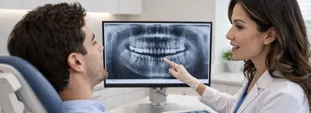
No single finding determines whether a tooth can be saved. The dentist considers the pulp and canal system, remaining tooth structure, root condition, periodontal support, and the tooth's role in the bite. Mobility, periodontal pocket depth, decay extending below the gum, pain on biting, and signs of fracture are assessed clinically. Imaging helps evaluate root shape, bone level, canal anatomy, and tissues around the root tip.
|
Factor |
More Favourable for Saving the Tooth |
May Compromise Prognosis |
|
Remaining tooth structure |
Enough sound structure for a reliable filling or crown |
Extensive loss below the gumline or into the root |
|
Root structure |
Adequate root length without fracture |
Extensive or complete vertical root fracture |
|
Bone support |
Sufficient periodontal support to keep the tooth stable |
Advanced bone loss with marked mobility |
|
Canal access |
Canals can be cleaned and treated safely |
Severe calcification or anatomy that cannot be accessed safely |
|
Periapical tissues |
Lesion has potential to heal after treatment |
Persistent disease despite endodontic and surgical care |
|
Restorability |
A strong, cleanable restoration can be made |
Tooth cannot be reconstructed functionally |
In difficult cases, CBCT and an endodontic specialist opinion can help clarify the options. A tooth that initially appears difficult may still be treatable with advanced techniques. Conversely, if treatment is unlikely to leave a comfortable, infection-free, functional, and maintainable tooth, extraction may be the more predictable option.
What Are the Alternatives When Root Canal Treatment Is Not Possible?
-
Endodontic surgery: apical surgery can remove infected tissue and a small portion of the root tip when a problem cannot be managed through the canal.
-
Root canal retreatment: old filling material can be removed so the canals can be cleaned, disinfected, and sealed again.
-
Root resection or hemisection: in selected multi-rooted teeth, only the affected root or part of the tooth may be removed.
-
Tooth extraction: this may be most predictable for an extensive vertical root fracture, advanced periodontal destruction, or a tooth that cannot be restored.
-
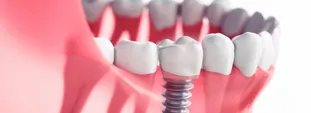
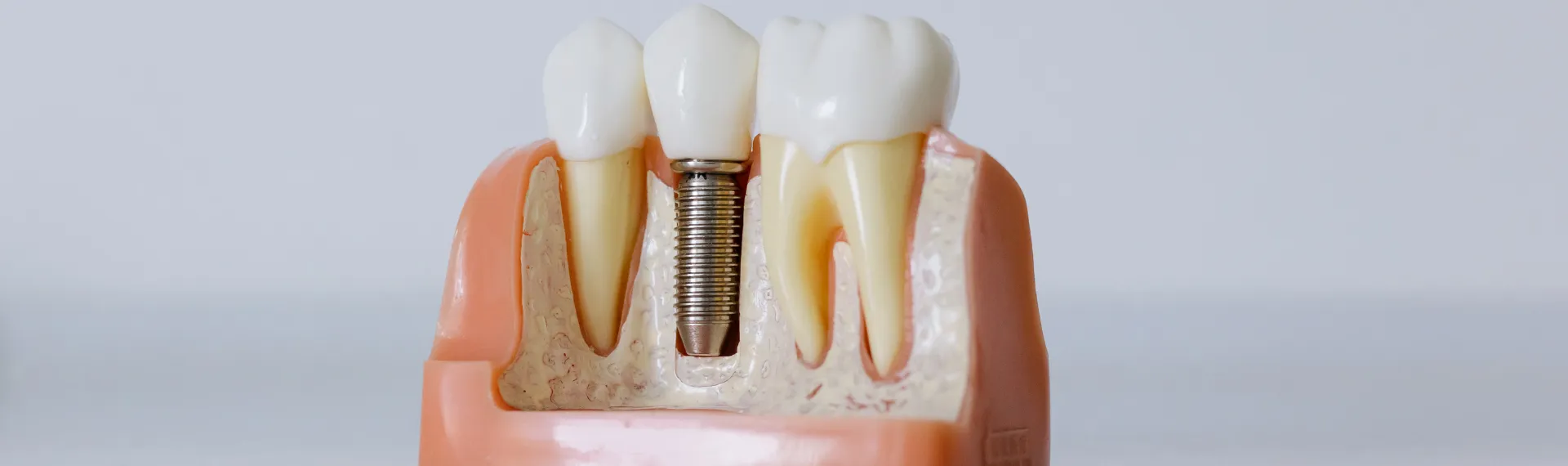
Dental implant: after extraction, an implant may be considered when bone volume and general health allow; bone grafting may sometimes be needed.
-
Bridge or another prosthetic option: when an implant is not suitable or not desired, a bridge or removable solution may be discussed.
Frequently Asked Questions About Root Canal Treatment
Can a Fractured Tooth Have Root Canal Treatment?
It depends on the fracture. A fracture limited to the crown may sometimes be restored after root canal treatment. An extensive vertical root fracture has a much poorer prognosis because the fracture itself cannot be repaired by cleaning the canals.
Can a Very Infected and Painful Tooth Still Be Treated With a Root Canal?
Often yes. Severe pain or a large infection does not automatically make a tooth untreatable. The key questions are whether the canal system can be disinfected, the root and periodontal support are acceptable, and the tooth can be restored afterwards.
Can Root Canal Treatment Save a Loose Tooth?
If looseness is mainly related to an endodontic infection around the root, mobility may improve as the tissues heal. If severe periodontal bone loss is the main cause, root canal treatment alone cannot restore the lost support.
Does a Tooth That Cannot Have a Root Canal Always Need Extraction?
No. Depending on the problem, microscope-assisted treatment, retreatment, guided endodontics, or apical surgery may still be possible. Extraction becomes more likely when the tooth is fractured, has very poor support, or cannot be restored reliably.
Can Primary Teeth Have Root Canal-Type Treatment?
Yes. In children, pulp treatments such as pulpotomy or pulpectomy may be used in selected primary teeth. The technique and goal differ from adult root canal treatment because the tooth is temporary and the developing permanent tooth must be protected.
Why Can a Tooth With a Previous Root Canal Become Painful Again?
Possible causes include leakage, recurrent decay, an untreated canal, a new infection, a crack, or inflammation around the root tip. The tooth should be examined before deciding whether retreatment, surgery, restoration repair, or extraction is appropriate.