






































































What Is a Zirconia Crown? How Is It Made?
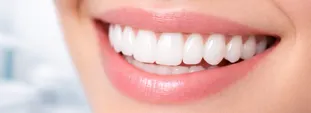
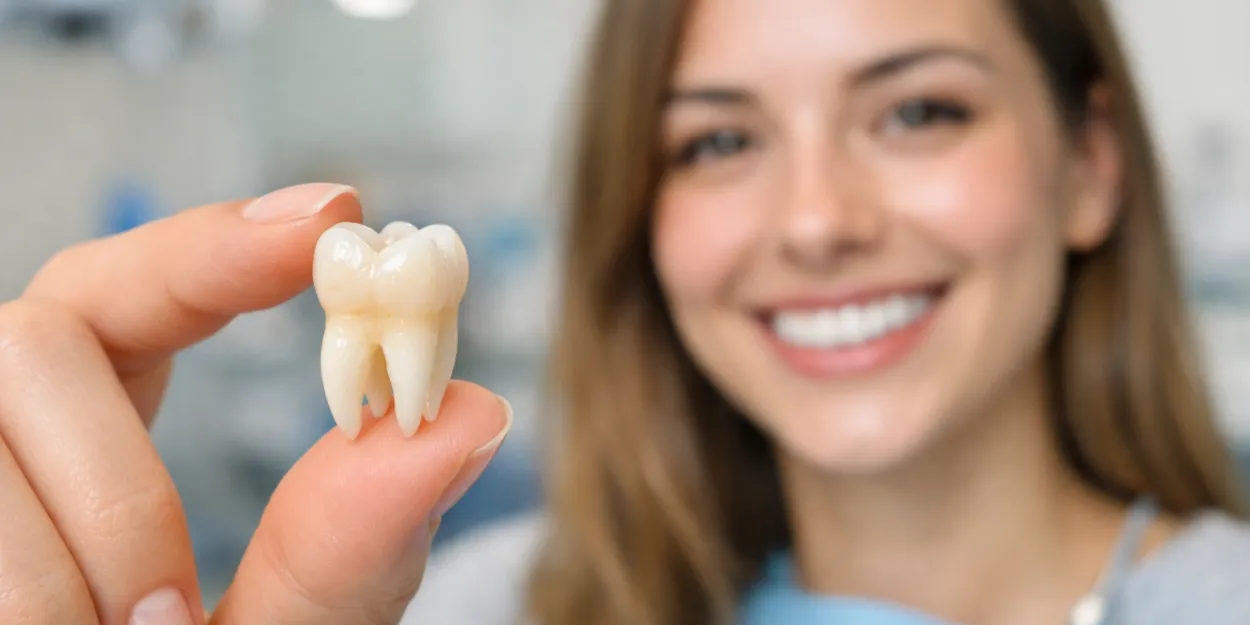
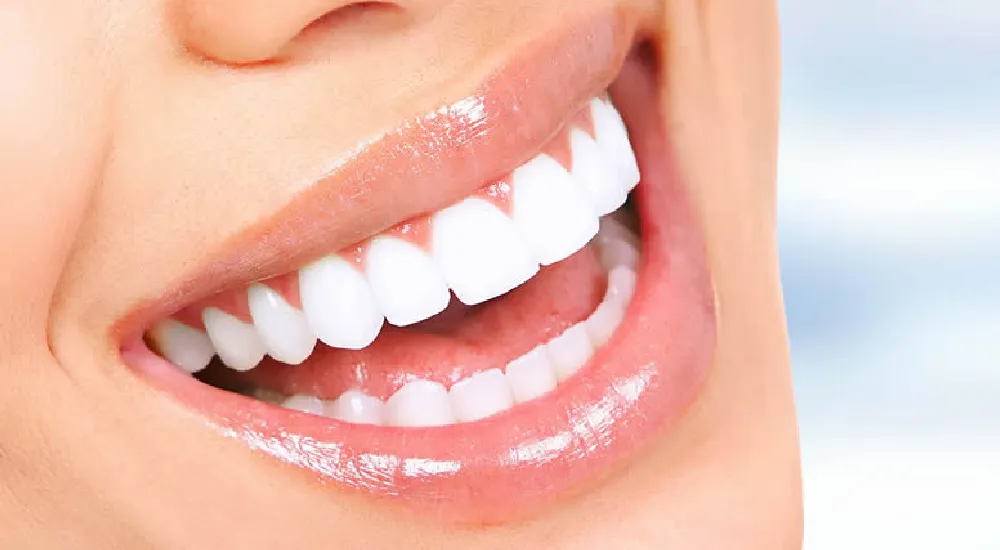
A zirconia crown is a fixed dental restoration made from a zirconia-based ceramic and designed to cover the visible part of a tooth while recreating a shade close to natural teeth. It can be used in the front of the mouth, where appearance is a priority, as well as on back teeth exposed to stronger chewing forces. Zirconia is also an alternative to porcelain-fused-to-metal crowns. Today, many zirconia restorations are designed and milled using CAD/CAM systems, allowing precise control of shape, contact points, and the final result.
Zirconia is not a single material with identical properties in every product. Different families of zirconia ceramics vary in mechanical strength and translucency. Highly resistant formulations may be especially useful for posterior teeth, while more translucent zirconias can provide a more natural appearance in the aesthetic zone. There is therefore no single “best zirconia” for every patient; the choice depends on tooth position, bite forces, how much healthy tooth structure remains, and the aesthetic goal.
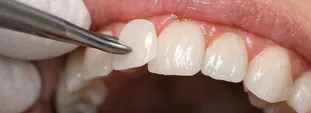
In most cases, placing a zirconia crown requires preparing the tooth by removing a controlled amount of tissue to create space for the restoration. A digital scan or conventional impression is then taken, and the crown is custom-made before being tried in and permanently fitted. Because tooth preparation is irreversible, the decision should not be based on appearance alone. The condition of the tooth and whether a more conservative option could achieve the goal should also be considered.
What Is a Zirconia Crown?
In dentistry, the term “zirconia crown” usually refers to a restoration made from a zirconium-dioxide-based ceramic. In a porcelain-fused-to-metal crown, a metal framework provides support and is covered with tooth-coloured ceramic. A zirconia restoration does not use this traditional metal substructure. This can be particularly useful in visible areas where a greyish reflection near the gum margin is undesirable.
Because zirconia ceramics combine high mechanical strength with good biocompatibility, they can be used in several types of restorations, from single crowns to selected bridges. The type of zirconia still needs to match the clinical indication. More translucent materials transmit light in a way that can look closer to natural enamel, whereas some high-strength zirconias are more opaque. That opacity may be helpful when masking a very dark underlying tooth, while layered zirconia or other ceramics may be considered in highly demanding anterior aesthetic cases.
Zirconia crowns may be monolithic, meaning milled entirely from a single block of zirconia, or made as a zirconia framework covered with an aesthetic veneering ceramic. Monolithic zirconia offers mechanical advantages, including a lower risk of chipping from a separate veneering layer. Layered restorations, on the other hand, give the dental laboratory more freedom to characterise colour and surface appearance.
When Might a Zirconia Crown Be Recommended?
A zirconia crown is not automatically the first choice for every cosmetic concern. If a small change in colour or shape can be achieved with composite bonding, whitening, a veneer, or another more conservative restoration, preserving as much healthy tooth tissue as possible is often preferable. A full zirconia crown covers more of the tooth and is therefore generally most useful when there is a more substantial structural or prosthetic need.
-
When a tooth has lost a large amount of structure because of a large filling, fracture, or significant wear.
-
When tooth discolouration cannot be masked adequately with whitening or a thinner aesthetic restoration.
-
When a major change in tooth shape, size, or contour is needed.
-
When an old, poorly fitting crown needs to be replaced and the clinical conditions are suitable.
-
After root canal treatment when the tooth has lost substantial structure and requires full-coverage protection.
-
On posterior teeth when a ceramic restoration capable of tolerating high chewing forces is required.
-
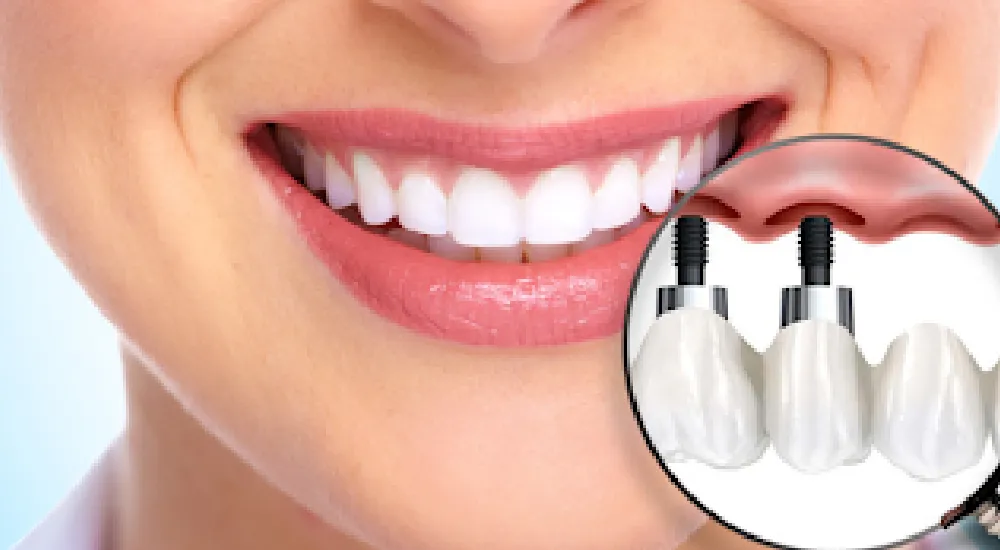
In selected fixed bridges or implant-supported restorations.
If the patient has bruxism, a deep bite, active periodontal disease, limited remaining tooth structure, or a very short clinical crown, the design needs more careful planning. Zirconia may still be an option, but periodontal treatment, root canal treatment, crown lengthening, or bite correction may sometimes be needed first.
How Is a Zirconia Crown Placed? Treatment Steps
Making a zirconia crown involves more than simply producing a tooth in the laboratory. A predictable result requires consideration of the biological condition of the tooth, preparation design, bite, and the relationship between the restoration and the gum. Treatment usually includes the following steps:
-
Examination and planning: the teeth, gums, bite, and existing restorations are assessed. An X-ray may be requested when needed to determine whether a crown is appropriate.
-
Shade selection and aesthetic planning: the colour of neighbouring teeth, facial features, smile line, tooth dimensions, and the patient’s expectations are considered. Photographs or digital design tools may be used when helpful.
-
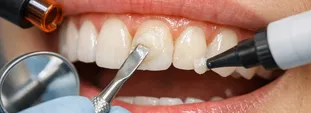
Tooth preparation: under local anaesthetic, a controlled amount of tooth tissue is removed to create space for the crown. The amount of reduction depends on the zirconia material selected and the clinical situation.
-
Impression or digital scan: the prepared tooth and the opposing arch are recorded with an intraoral scanner or conventional impression. Bite relationships are then sent to the laboratory.
-
Temporary crown: while the definitive restoration is being made, a temporary crown may be fitted to protect the prepared tooth, maintain appearance, and reduce sensitivity.
-
CAD/CAM design and laboratory stages: the zirconia block is milled according to the digital design, then sintered and completed with the necessary colouring and characterisation steps.
-
Try-in and final fitting: marginal fit, contacts with neighbouring teeth, bite, colour, and appearance are checked. When the result is satisfactory, the crown is permanently cemented or bonded using an appropriate protocol.
After fitting, the bite should feel comfortable. If the new crown contacts before the other teeth or feels clearly “high” when chewing, a small occlusal adjustment may be needed. A crown that is too high can be uncomfortable and place unnecessary stress on both the restoration and the supporting tooth.
What Are the Advantages of a Zirconia Crown?
One of the main benefits of zirconia is that it can combine an aesthetic appearance with mechanical strength in the same restoration. The actual advantages depend on the type of zirconia and the way the restoration is designed.
|
Criterion |
Potential advantage of zirconia |
Point to consider |
|
Aesthetics |
A tooth-coloured restoration and, depending on the material, good light transmission can be achieved. |
Not all zirconia materials provide the same level of translucency. |
|
Strength |
High-strength zirconia can provide a robust option, particularly for posterior teeth. |
Material choice, preparation thickness, and bite forces remain important. |
|
Appearance at the gumline |
The absence of a traditional metal framework avoids a grey metal reflection at the gum margin. |
Gum recession can still affect the aesthetic result over time. |
|
Biocompatibility |
Zirconia ceramics have good biocompatibility in clinical use. |
Accurate fit and good hygiene remain essential for gum health. |
|
Digital manufacturing |
CAD/CAM allows precise and reproducible fabrication. |
The quality of the scan, design, and laboratory protocol is still crucial. |
The hardness of zirconia does not automatically mean it will wear down the opposing teeth. Wear depends largely on surface condition and polishing. Well-polished zirconia can create a more controlled contact than a rough or poorly finished ceramic surface.
How Long Does Zirconia Crown Treatment Take?
Treatment time depends on the number of teeth involved, laboratory production time, whether gum treatment or other dental care is needed first, and how many try-in appointments are required. For a single tooth, treatment can often be completed over a few visits. When several front teeth are restored together, additional checks of shade, shape, and bite may extend the process.
After examination and planning, tooth preparation and the impression or scan can sometimes be completed in the same appointment. Temporary restorations are usually worn while the definitive crowns are being produced. Laboratory work may take several days; in more complex cases or when an aesthetic try-in is needed, the process can take around one to two weeks. It is therefore not appropriate to promise the same number of days to every patient.
Permanent cementation does not mean that follow-up is no longer needed. A feeling that the crown is too high, unusual pressure on the gum, or difficulty passing floss should be checked. Regular dental reviews remain important for monitoring the restoration over time.
Is a Zirconia Crown Harmful?
When properly indicated and made with appropriate tooth preparation and laboratory protocols, a zirconia crown is generally considered a safe and biocompatible restorative option. Zirconia is a high-strength ceramic that has been used in dentistry for many years. It does not have the metallic appearance of traditional alloys and avoids some of the aesthetic issues associated with metal-based restorations.
Crowns are not completely risk-free, however. Tooth preparation requires removal of some natural tooth tissue, and that step is irreversible. Very deep preparation, an already sensitive pulp, or a tooth with large existing restorations may lead to postoperative sensitivity and, less commonly, the need for root canal treatment. For a healthy tooth with only a small cosmetic concern, it is therefore important to consider whether a more conservative option would be sufficient.
Poorly fitting margins, an over-contoured crown that is difficult to clean, or inadequate oral hygiene can contribute to gum inflammation and increase the risk of decay in the tooth underneath the crown. A rough or poorly adjusted zirconia surface can also cause unnecessary wear to the opposing tooth. These problems relate more to planning, manufacture, finishing, fit, and maintenance than to zirconia itself.
What to Know Before Choosing a Zirconia Crown
Before choosing a zirconia crown, it is better not to make the decision based only on shade or price. It is important to understand which teeth genuinely need full-coverage crowns and what long-term maintenance will involve.
-
Treatment is irreversible: tooth tissue removed during crown preparation does not grow back. Less invasive alternatives should therefore be considered first when appropriate.
-
Not all zirconias are the same: the balance between strength and translucency varies depending on the material selected for front or back teeth.
-
Gum health matters: if there is active gingivitis or periodontal disease, controlling it before the final crown is fitted helps create healthier and more stable margins.
-
Root canal treatment is not routine: placing a zirconia crown on a tooth with a healthy pulp does not automatically mean the tooth needs to be root-canal treated.
-
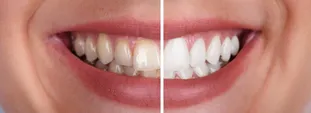
The selected shade is relatively fixed: zirconia crowns do not lighten with whitening products in the same way natural teeth do. If whitening is planned, it is usually better to complete it before choosing the final crown shade.
-
Bruxism should be discussed: clenching or grinding can increase forces on the crowns and opposing teeth. Bite adjustment or a protective night guard may be recommended.
-
Temporary crowns do not always look exactly like the final result: the optical properties and surface finish of the definitive zirconia crown may differ after laboratory processing.
-
Maintenance remains as important as it is for natural teeth: zirconia itself cannot decay, but the supporting tooth and surrounding gum can still develop disease. Brushing, interdental cleaning, and regular dental reviews remain essential.
When several front teeth are being restored for aesthetic reasons, it can be useful to discuss tooth length, the midline, smile line, and shade in detail. Photographs, digital design, or a temporary mock-up may help communicate the expected result.
Frequently Asked Questions About Zirconia Crowns
How Long Does a Zirconia Crown Last? Can It Turn Yellow Over Time?
There is no exact lifespan that applies to every zirconia crown. A well-planned, accurately made, and properly maintained restoration can remain functional for many years. Longevity depends on gum health, the condition of the supporting tooth, cavity risk, bruxism, bite forces, and regular follow-up. Clinical studies report good short- and medium-term survival rates, but long-term results vary according to restoration type and location.
The ceramic surface of zirconia does not yellow in the same way as natural enamel and is not lightened by whitening agents. External deposits from plaque, smoking, coffee, or tea can still develop. Gum recession or increased visibility of the underlying tooth at the crown margin can also create the impression of a colour change. Professional cleaning and appropriate polishing can help manage surface staining.
Is Tooth Preparation for a Zirconia Crown Painful?
Tooth preparation is generally performed under local anaesthetic, so sharp pain during reduction of the tooth is not expected. You may still notice vibration, pressure, or the sound of the dental instruments. Once the anaesthetic wears off, temporary sensitivity to hot or cold may occur, particularly in a vital tooth. A temporary crown helps protect the tooth during this period.
Severe, spontaneous pain or pain that wakes you at night should not simply be assumed to be normal postoperative sensitivity. In that situation, the pulp and the bite of the temporary or final crown should be checked.
What Is the Difference Between a Zirconia Crown and a Porcelain-Fused-to-Metal Crown?
The phrase “traditional porcelain crown” often refers to a porcelain-fused-to-metal crown. In this type of restoration, a metal framework provides strength and is covered with tooth-coloured ceramic. With zirconia, the framework or entire restoration is made from zirconia-based ceramic. This avoids the grey reflection associated with a traditional metal substructure and also allows CAD/CAM manufacturing.
It would be inaccurate to say that zirconia is always superior to porcelain-fused-to-metal. Tooth position, bridge length, available space, aesthetic demands, the opposing dentition, and the clinician’s experience all influence material choice. In some highly aesthetic anterior cases, other all-ceramic materials such as lithium disilicate may be more suitable.
How Should Zirconia Crowns Be Brushed and Maintained?
Zirconia crowns should be brushed like natural teeth, at least twice a day with fluoride toothpaste, paying particular attention to plaque at the junction between the crown and gum. Interdental spaces should be cleaned with floss, interdental brushes, or other aids suited to the restoration. For bridges, special floss or interdental brushes may be needed to clean underneath the pontic.
Highly abrasive products or scraping the crown with a metal object at home can damage its surface. During professional cleaning, preserving a smooth polished zirconia surface is also important. If you have bruxism, regular use of a dentist-prescribed night guard may help protect the restorations from excessive forces.
Can the Natural Tooth Under a Zirconia Crown Still Develop Decay?
Yes. Zirconia itself cannot develop a cavity, but the natural tooth underneath the crown can. Decay often begins at the restoration margin and may be encouraged by plaque accumulation, a high cavity risk, poor oral hygiene, or inadequate marginal fit.
Decay under a crown is not always visible at an early stage. A bad smell around the crown, gum inflammation, sensitivity, or movement of the restoration should be assessed. Regular clinical check-ups and X-rays when indicated help monitor the supporting tooth. If decay is found beneath the crown, the restoration may need to be removed, the decay treated, and a new restorative plan made according to the remaining tooth structure.
A zirconia crown can be an effective way to combine aesthetics and strength, but long-term success does not depend on the material alone. Appropriate case selection, careful tooth preparation, material choice, laboratory quality, correct fitting, and thorough oral hygiene all contribute to the result. This content is for general information only and does not replace a personalised dental examination.