


















































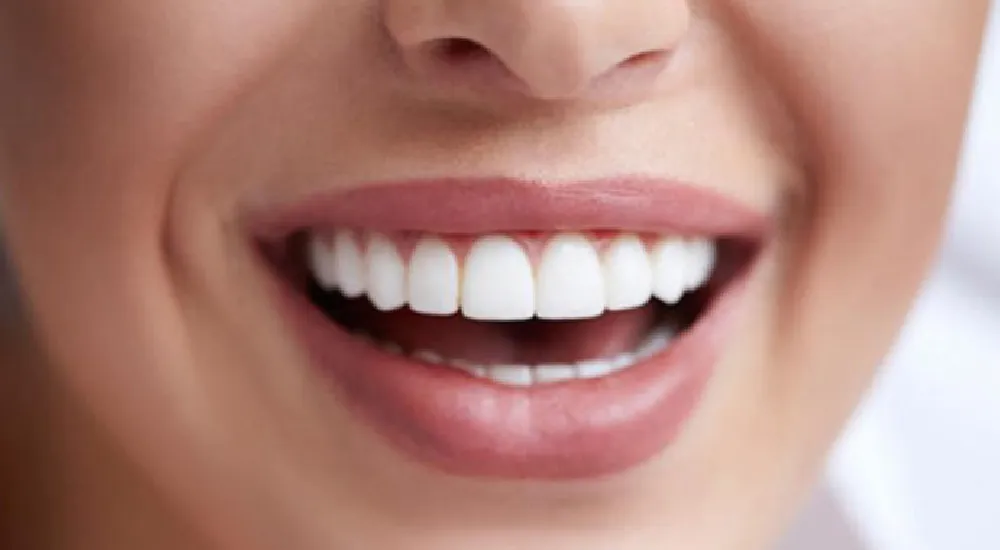
How Can You Whiten Your Teeth at Home? The Most Effective Methods
There are countless products and DIY tips that claim to make teeth look brighter at home. However, not every method shared online truly whitens the teeth, and some can do more harm than good. Lemon juice, frequent use of baking soda, loose activated charcoal powder, or acidic fruit mixtures may temporarily reduce the appearance of some surface stains while also increasing enamel wear. Before choosing a whitening method, it is important to understand why the teeth have changed colour. Surface stains from tea, coffee, or tobacco are not treated in the same way as discolouration that comes from within the tooth.
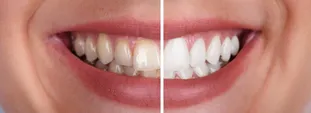
The most predictable approach is to have the teeth checked first and then use a suitable whitening product for the recommended amount of time and at the recommended frequency. Whitening toothpastes mainly help remove surface stains. Whitening strips and peroxide-based gels can lighten the natural shade of teeth to some extent, while custom trays made by a dentist can distribute whitening gel more evenly. The right option also depends on whether there are cavities, cracks, gum recession, sensitivity, fillings, veneers, or crowns. This content is for general information only and does not replace a dental examination or a personalised treatment plan.
Why Do Teeth Lose Their Natural Colour?
Tooth colour is influenced by more than oral hygiene. Enamel is naturally slightly translucent, and the dentine underneath contributes to the overall shade of the tooth. As we age, enamel can become thinner and the underlying dentine may show through more clearly, making the teeth appear more yellow. Genetics, certain medications taken while the teeth were developing, dental trauma, fluorosis, and previous dental treatment can also cause internal discolouration. These changes cannot simply be brushed or polished away.
External staining is often linked to frequent consumption of tea, coffee, red wine, dark soft drinks, tobacco, and strongly pigmented foods. Plaque and tartar can also make teeth look duller or darker. In these cases, improving daily oral hygiene and having a professional cleaning when necessary may noticeably improve the appearance of the smile. Professional cleaning is not the same as whitening, however: it removes deposits and stains without chemically changing the natural colour of the tooth. A tooth that suddenly becomes darker, particularly after trauma or together with pain or decay, should be examined before any whitening treatment is attempted.
What Natural Methods Are Used for Teeth Whitening at Home?
Most DIY remedies described as “natural whitening” do not lighten the internal colour of a tooth in the way a true whitening agent does. Some may remove surface pigments through abrasion and create a temporary impression of brightness. If that effect comes at the cost of enamel loss, the method cannot be considered safe. Enamel does not grow back once it has been worn away. A natural ingredient is therefore not automatically harmless to teeth. The safest foundation at home remains brushing regularly with fluoride toothpaste, cleaning between the teeth, reducing staining habits, and choosing products that are appropriate for your dental condition.
Whitening Teeth with Baking Soda and Lemon
Baking soda is mildly abrasive and can help remove some surface stains. In a homemade mixture, however, the level of abrasiveness is not controlled. Lemon juice is highly acidic. Acid temporarily softens the enamel surface, and scrubbing with baking soda can increase wear on that softened enamel. The teeth may look brighter after the first few uses, but repeated use can cause sensitivity, a rougher enamel surface, and eventually a more yellow appearance as the underlying dentine becomes more visible. For this reason, lemon-and-baking-soda mixtures are not recommended. If you want a product containing baking soda, a fluoride toothpaste formulated for dental use and tested for controlled abrasiveness is a safer choice.
Whitening Teeth with Coconut Oil
Coconut oil rinsing, often known as oil pulling, is widely promoted on social media. There is no strong, consistent evidence showing that it meaningfully lightens the natural shade of teeth. Oil does not break down the colour molecules inside the tooth and, at most, may leave the mouth feeling temporarily smoother or cleaner. It should not replace toothbrushing, interdental cleaning, or professional dental care. The oil should not be swallowed, and prolonged swishing may also tire the jaw muscles. It is not suitable for young children because of the risk of choking or aspiration. If the goal is a real and predictable change in tooth shade, it is better to discuss whitening options with a dentist.
Whitening Teeth with Activated Charcoal
Activated charcoal does not chemically bleach the tooth. During brushing, charcoal particles may remove some external staining, but loose powders with uncontrolled particle size and abrasiveness can scratch enamel and exposed root surfaces. Charcoal can also become trapped along the gumline, in cracks, or around restorations, sometimes leaving a greyish appearance. Evidence on the long-term effectiveness and safety of charcoal-based products remains limited. It is generally better not to apply loose charcoal powder directly to the teeth. For surface staining, a fluoride toothpaste with tested abrasiveness is a more controlled option. People with enamel erosion or significant sensitivity should be particularly cautious.
Using Strawberries or Crushed Fruit to Make Teeth Look Brighter
Mixtures made with strawberries, lemon, orange peel, or other fruits are not true teeth-whitening treatments. The acids in fruit may temporarily dissolve some deposits, but they can also remove minerals from the enamel surface. If sugary fruit pulp remains on the teeth, it may also increase the risk of tooth decay. Vigorous brushing immediately after acid exposure can worsen wear because the enamel is temporarily softened. It is better to eat fruit as part of a normal diet, rinse the mouth with water after acidic foods, and maintain good oral hygiene rather than applying fruit mixtures directly to the teeth.
Cosmetic Products and Dentist-Supervised Options for Whitening at Home
Not all at-home whitening products work in the same way. Whitening toothpastes mainly remove external stains, whereas peroxide-containing strips and gels can lighten the natural tooth structure. The most suitable product depends on the type of discolouration, gum health, tooth sensitivity, and any restorations already present. For a more predictable result, dentist-supervised home whitening may be considered. Products bought online from unreliable sources may contain concentrations that differ from the label or may come with poorly fitting trays that expose the gums to whitening gel. Recommended wear times should not be extended, and different whitening products should not be combined without professional advice.
Whitening Toothpastes and Stain-Removing Powders
Whitening toothpastes usually contain specific polishing agents or ingredients that help remove stains caused by tea, coffee, and tobacco. They do not necessarily produce a major change in the natural shade of the teeth and are less effective for deeper discolouration. For everyday use, it is preferable to choose a fluoride toothpaste from a reputable manufacturer that is clearly intended for regular dental use. A hard toothbrush, excessive brushing pressure, or combining toothpaste with highly abrasive stain-removing powders can accelerate wear. If you have gum recession, enamel cracks, or marked sensitivity, it is worth discussing the choice of product with your dentist. A dark spot that remains in one area despite good cleaning may be tartar or decay and should be examined.
Whitening Strips: How to Use Them and When to Expect Results
Whitening strips are thin flexible strips coated with a small amount of whitening gel. When used regularly on natural teeth, they can gradually reduce surface staining and lighten some internal discolouration. How quickly they work depends on the formulation and the starting shade, so the instructions provided with the product should be followed carefully. Leaving strips on longer than recommended does not safely speed up whitening and can increase the risk of tooth sensitivity or gum irritation. Strips may also sit unevenly on crowded or rotated teeth, and they will not change the colour of fillings, veneers, or crowns. Cavities, cracks, or gum disease should be treated before whitening. If you develop sharp pain, persistent sensitivity, or white and irritated areas on the gums, stop using the product and seek dental advice.
Dentist-Prescribed Custom Trays and Whitening Gels for Home Use
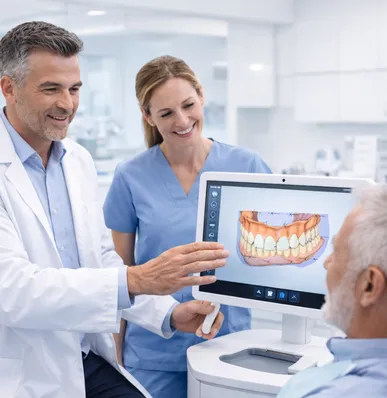
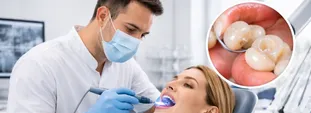
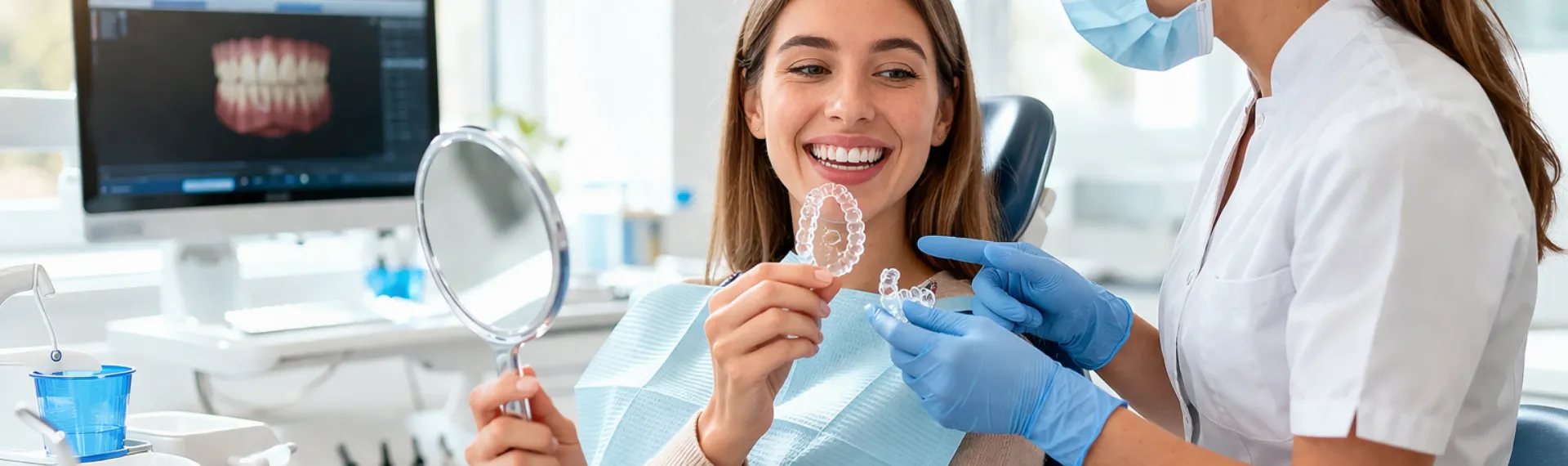
One of the more controlled ways to whiten teeth at home is to use custom-made trays with a whitening gel selected after a dental examination. The dentist can first check for decay, leaking fillings, cracks, gum disease, or factors that may increase sensitivity. A tray made from an impression or digital scan helps distribute the gel across the natural teeth while reducing unnecessary contact with the gums. The amount of gel, daily wear time, and total number of days are adjusted to the individual patient. Using more gel does not necessarily produce a better result. During follow-up, the dentist can assess shade changes and sensitivity and modify the schedule if needed. Dentist-supervised home whitening often produces a more gradual change than in-office whitening while still allowing the treatment to be carried out at home.
Is At-Home Teeth Whitening Permanent?
No whitening treatment, whether performed at home or in the dental office, is permanent. How long the result lasts depends on the original shade of the teeth, the whitening method, oral hygiene, and daily habits. Tea, coffee, red wine, dark sauces, and tobacco can speed up the return of staining. Regular brushing, interdental cleaning, routine dental check-ups, and rinsing with water after strongly coloured drinks can help maintain the result for longer.
If the teeth gradually darken again, it is not a good idea to restart a strong whitening product at random or continue using it for prolonged periods. A dentist can assess the current shade and determine whether a short maintenance phase is appropriate. Excessive whitening may increase sensitivity and can make the teeth appear more translucent, dull, or uneven. Natural tooth colour varies from person to person, and healthy teeth are not necessarily porcelain white. The aim should be a natural-looking result that does not compromise oral health.
Precautions and Risks of At-Home Teeth Whitening
Have your teeth checked first: cavities, fractures, cracks, gum recession, or leaking fillings can allow whitening gel to reach sensitive dentine and cause significant discomfort. A single tooth that has become darker may have an internal cause and should not be treated as an ordinary surface stain.
Follow the instructions carefully: increasing the application time, using the product more frequently, or combining several whitening products does not make the treatment safer or more effective. It increases the risk of gum irritation, chemical burns, tooth sensitivity, and uneven whitening.
Protect the gums: gel that spreads beyond the teeth can cause burning and temporary whitening of the gum tissue. This is more likely when a tray is oversized or poorly fitted. Follow the product instructions carefully and seek advice if irritation persists.
Monitor sensitivity: mild, short-lived sensitivity can occur during whitening. Severe, throbbing pain or discomfort that continues for several days should not be considered normal. Stop the treatment and ask a dentist for advice so that the cause can be assessed.
Ask for professional advice in special situations: children and teenagers, pregnant or breastfeeding patients, people with advanced gum disease, and those with severe tooth sensitivity should seek professional advice before cosmetic whitening. It may be more appropriate to delay whitening or choose another approach.
Stop using the product if chalky-looking patches appear, a new crack becomes visible, the gums bleed, or there is significant burning or pain. Whitening kits from unreliable sellers that do not clearly state their ingredients or concentrations should be avoided. At-home whitening does not replace routine dental care.
Frequently Asked Questions About At-Home Teeth Whitening
How Long Do Natural Teeth-Whitening Methods Take to Work?
There is no reliable standard timeframe for DIY mixtures based on baking soda, lemon, fruit, or oil because they do not predictably whiten the internal colour of the tooth. Any visible difference is usually due to reduced surface staining or a temporary change in surface appearance. Repeating acidic or abrasive remedies more often in an attempt to speed up the result increases the risk of enamel damage. With a genuine whitening product, treatment time depends on the formulation and the individual patient, so the manufacturer’s instructions and the dentist’s recommendations should be followed.
Can Baking Soda Scratch Teeth or Wear Away Enamel?
Its abrasive effect depends on the amount used, particle size, brushing pressure, and frequency. Applying loose powder directly and repeatedly, particularly with a hard toothbrush, can wear enamel and exposed root surfaces. Adding lemon juice or vinegar also increases the risk of acid erosion. A fluoride toothpaste formulated for daily use and designed with controlled abrasiveness is a safer option than a homemade mixture.
Can Dentures, Fillings, Crowns, or Veneers Be Whitened at Home?
No. Whitening agents can change the shade of natural teeth, but they do not whiten dentures, crowns, composite fillings, zirconia restorations, or dental veneers. As the natural teeth become lighter, an existing restoration may start to look darker by comparison. This is why whitening should be planned carefully when several visible restorations are present. If necessary, replacement of those restorations can be discussed after whitening has been completed and the new tooth shade has stabilised.
How Can You Relieve Tooth Sensitivity After Whitening?
The first step is usually to stop the product temporarily or reduce the frequency of use according to your dentist’s advice. Avoiding very hot or very cold foods for a short period, using a soft toothbrush, and choosing a fluoride toothpaste designed for sensitive teeth may help. If the pain is limited to one tooth, becomes spontaneous or throbbing, wakes you at night, or does not improve within a few days, it should not automatically be blamed on whitening. A dental examination may be needed to rule out decay, a crack, or inflammation of the dental pulp.
What Is the Safest Way to Whiten Teeth at Home?
There is no completely risk-free method that is suitable for everyone. The safest approach is to choose a whitening protocol after a dental check-up. For simple external staining, a professional cleaning and an appropriate toothpaste may be enough. If the goal is to lighten the actual tooth shade, a dentist-recommended whitening product or a custom-tray system provides a more controlled approach. Lemon, vinegar, concentrated baking soda, loose activated charcoal, and online kits with unclear ingredients should not be regarded as safe alternatives.
In summary, effective at-home whitening is not about using the strongest possible product. It is about identifying the cause of the discolouration and choosing the right approach. Surface staining should be distinguished from internal tooth discolouration, and cavities, gum disease, sensitivity, and visible restorations should be assessed before treatment. To achieve a natural-looking result while protecting the teeth, follow the recommended treatment time, maintain good oral hygiene, and follow your dentist’s advice.