




















































Throbbing Pain After a Root Canal: Is It Normal and When Does It Stop?
Mild throbbing can occur during the first few days after root canal treatment. Learn why it happens, how recovery usually progresses, and when to contact your dentist.
Throbbing Pain After a Root Canal: Is It Normal and When Does It Stop?
Root canal treatment removes inflamed or infected pulp from inside the tooth, then cleans, shapes, and seals the root canals. Although the nerve tissue inside the tooth is removed, the ligament, bone, and other tissues surrounding the root remain alive. For that reason, mild tenderness, pressure, or a throbbing sensation can occur after treatment. Early discomfort may be more noticeable if the tooth was already painful or infected before the procedure. At Dentopol, root canal treatment is planned individually after a clinical and radiographic assessment.
Mild discomfort that becomes less noticeable each day is often part of normal healing. Throbbing pain should not automatically be dismissed as normal, however. Its intensity, how long it lasts, whether it appears only when biting or also at rest, and whether swelling or fever is present all matter. Pain that is getting worse, wakes you at night, or comes with swelling of the gum or face should be assessed by a dentist. This information is general and does not replace an examination, diagnosis, or prescription.
Is Throbbing After a Root Canal Normal?
Mild aching, tenderness to touch, or discomfort while chewing can be expected for the first few days. Even after the canals have been treated, the tissues around the tip of the root may still react to the original infection and to the mechanical effects of the procedure. Temporary inflammation of the periodontal ligament can make the tooth feel bruised or slightly 'high' when pressure is applied. In a typical recovery, this sensation gradually eases rather than becoming more intense.
Throbbing by itself does not mean the treatment has failed. A tooth that was severely painful before treatment, an infection around the root tip, treatment of a multi-rooted molar, or a longer appointment can all increase early sensitivity. A temporary or permanent filling that is slightly too high may also cause the treated tooth to touch before the others whenever you bite. In this situation, an occlusal adjustment can sometimes provide significant relief.
Pain that increases rather than settles, occurs in prolonged spontaneous episodes, or is accompanied by a gum pimple, drainage, an unpleasant taste, visible swelling, or fever is not the usual pattern of recovery. Possible causes include persistent infection, an excessive bite contact, an untreated additional canal, leakage around the restoration, or a crack in the tooth. Symptoms alone cannot identify the cause reliably, so a clinical examination and imaging may be needed.
How Many Days Does Throbbing Last After a Root Canal?
Recovery varies from person to person. In many patients, mild sensitivity improves substantially during the first few days, although tenderness when biting may last a little longer than the throbbing sensation itself. The trend is as important as the number of days. Pain that becomes less frequent and less intense is generally more reassuring than severe pain that remains unchanged, becomes worse after the third or fourth day, or continues beyond several days.
Whether treatment was completed in one visit or over several appointments with a temporary filling can also affect how the tooth feels. Heavy biting pressure, wear of the temporary material, or a change in the bite can prolong discomfort. Until the final restoration is in place, a root canal-treated tooth may be more vulnerable to fracture, so hard, sticky, or very chewy foods should be avoided on that side until your dentist advises otherwise.
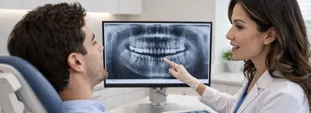
Throbbing that is still noticeable after a week does not automatically mean treatment failure, but it deserves a check-up. Do not delay contacting the dentist if the pain occurs spontaneously, wakes you at night, prevents normal chewing, or is associated with swelling. The dentist may check the bite, the temporary or permanent restoration, the gum, and the tissues around the root, and may take an X-ray if needed.
How Can You Relieve Throbbing Pain After a Root Canal?
Home measures are intended to make recovery more comfortable, not to hide a problem that requires treatment. Follow the personalised instructions given by your dentist:
-
Follow medication instructions: If a pain reliever has been recommended, take it exactly as directed. Over-the-counter medicines are not suitable for everyone, especially during pregnancy or in people with chronic conditions or regular medication. Do not exceed the recommended dose or combine products that contain the same active ingredient.
-
Avoid overloading the treated tooth: Wait until the local anaesthetic has fully worn off before chewing. Until the definitive filling or crown is completed, avoid hard, sticky, or very tough foods and use the opposite side where possible.
-
Keep oral hygiene gentle: Brush carefully and continue flossing unless your dentist has given different instructions. Do not press on the filling with an object or place aspirin or other chemicals directly on the gum.
-
Use a cold pack briefly if appropriate: If there is mild swelling or soreness and your dentist has not advised against it, a cold pack wrapped in a thin cloth can be held against the cheek for short periods. Do not place ice directly on the skin or tooth.
-
Keep your head slightly elevated: If pressure feels worse at night, sleeping a little more upright may provide temporary comfort. This does not treat an infection, and severe or increasing night pain still needs evaluation.
-
Watch how the symptoms change: Note whether pain is spontaneous or linked to chewing, and whether swelling, fever, a bad taste, or loss of the filling develops. These details help the dentist assess the problem.
Do not start leftover antibiotics or take medication prescribed for someone else. If the pain is caused by a high filling, a crack, or a root canal problem that needs dental treatment, antibiotics will not correct the mechanical cause. Symptoms may temporarily improve while the underlying issue remains.
When Should You See a Dentist After a Root Canal?
The intensity, duration, and associated symptoms should be considered together. If you are unsure, contact the clinic that performed the treatment. The dentist can assess the bite, the integrity of the restoration, and the tissues around the root. The following comparison can help distinguish common healing symptoms from signs that need a review:
|
May Be Consistent With Normal Healing |
Needs Dental Review |
|
Mild aching or throbbing during the first few days that improves each day |
Strong, increasing, or clearly persistent pain beyond the expected early recovery period |
|
Mild tenderness only when chewing, gradually improving |
Tooth feels much too high, prevents normal closure, or is sharply painful to touch |
|
Moderate local tenderness without visible facial swelling |
Visible oral or facial swelling, gum pimple, drainage, or unpleasant taste |
|
Temporary filling remains intact |
Temporary filling or crown is loose, broken, or has a visible gap |
|
No fever or general illness |
Fever, weakness, rapidly spreading facial/neck swelling, difficulty swallowing or breathing |
Difficulty swallowing or breathing, rapidly increasing swelling of the face or neck, or swelling extending toward the eye requires urgent medical assessment rather than waiting for a routine dental appointment.
More localised but persistent pain, loss of the filling, or a clear change in the way the teeth meet should also be reported promptly. Early adjustment of a high bite contact or repair of a leaking restoration can prevent a simple problem from prolonging discomfort.
Frequently Asked Questions About Throbbing After Root Canal Treatment
Why Can a Root Canal-Treated Tooth Still Throb?
The tissues around the root still contain nerve endings even after the pulp has been removed. Pre-existing infection, inflammation around the root tip, or mechanical irritation from treatment can therefore cause temporary soreness. If throbbing is especially noticeable when biting, the bite should also be checked. A steadily improving pattern is generally reassuring, while increasing pain, swelling, or persistent symptoms need an examination.
Is Throbbing One Week After a Root Canal Normal?
Some mild tenderness may remain after a week, but obvious throbbing should not simply be ignored. If the pain has stayed the same, become worse, occurs spontaneously, or interferes with chewing, contact the dentist. They may check the bite, the filling or crown, the root canal filling, and the surrounding tissues before deciding whether observation, an occlusal adjustment, or further treatment is needed.
What Can I Do for Sudden Throbbing Tooth Pain at Night?
Stop chewing on the treated tooth and keep your head slightly elevated. If you are medically able to do so, follow the pain-relief instructions already provided by your dentist. Avoid repeatedly testing the tooth with very hot or cold foods or putting aspirin or chemicals on the gum. Severe pain that wakes you repeatedly, especially with swelling or fever, should be assessed promptly.
Can a Throbbing Root Canal Be Retreated?
Yes. If the cause is within the root canal system and the tooth is still restorable, root canal retreatment may be possible. Reasons can include an untreated narrow or curved canal, leakage under the restoration, recurrent decay, or reinfection. The old filling material is removed, the canals are cleaned and disinfected again, and then resealed. Retreatment is not automatic for every painful tooth; cracks and other causes must first be ruled out.
Is Throbbing Under a Temporary Filling Normal?
Mild tenderness can occur during the first few days between root canal appointments. Temporary material is less durable than a final restoration and can wear, crack at the margins, or remain slightly high. Contact the clinic if the filling falls out, a clear hole develops, chewing becomes markedly painful, or throbbing increases.
Are Antibiotics Needed for Throbbing After a Root Canal?
Throbbing alone does not usually justify antibiotics. Most dental pain is managed by addressing the dental cause, such as correcting the bite, reassessing the canals, draining an infection when necessary, or repairing the restoration. Antibiotics may be prescribed when there are systemic signs or spreading infection, such as fever or significant malaise. Do not use leftover antibiotics without professional advice.