


























































Can You Eat Ice Cream With Braces?
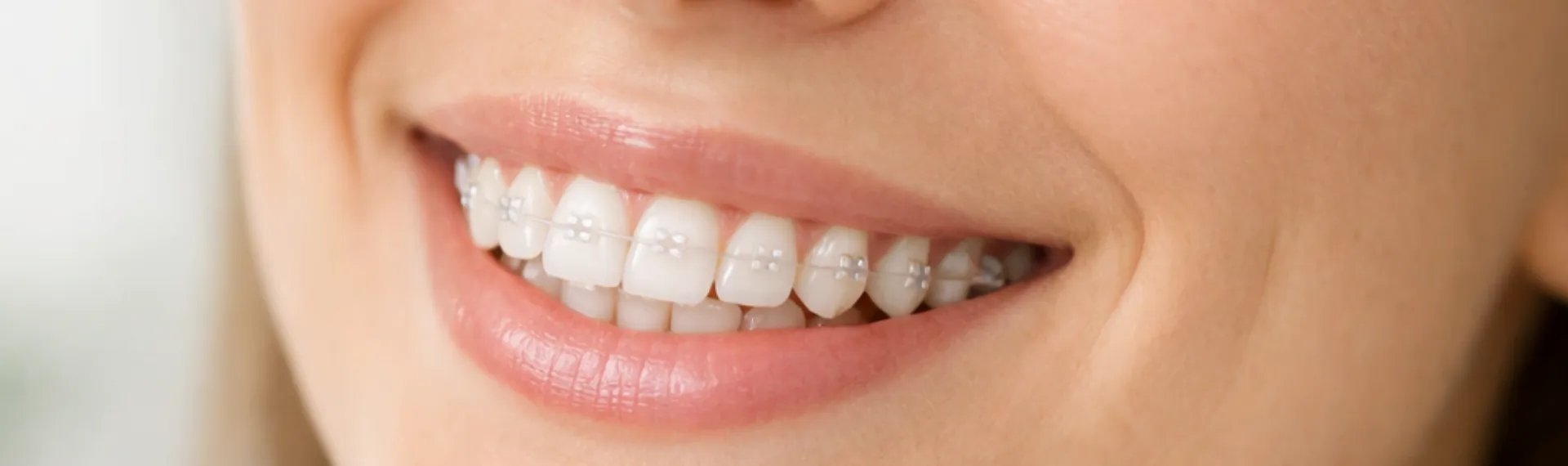
Yes, you can usually eat ice cream while wearing fixed braces. The main issue is not the cold temperature itself, but the texture of the ice cream, the pieces mixed into it, how you eat it, and how well you clean around your braces afterwards. Soft ice cream without hard inclusions, eaten in small spoonfuls, generally places little direct pressure on the brackets. Biting into a very hard frozen product or chewing nuts, brittle, large chocolate pieces, or sticky caramel can loosen a bracket or distort the archwire. Teeth may also feel more sensitive for a few days after braces are fitted or adjusted, making cold foods more noticeable.
Even when it is soft, ice cream is usually high in sugar. Brackets and wires create extra areas where food residue can collect. If plaque is not removed thoroughly, the risk of gum irritation, cavities, and white spot demineralisation around the brackets increases. So the question is not only whether ice cream is 'allowed'. Portion size, how often it is eaten, the toppings chosen, and oral hygiene afterwards are all important. If your orthodontist has given different instructions for your appliance, those personalised instructions should take priority.
Benefits and Risks of Eating Ice Cream With Braces
After braces are fitted or the archwire is activated, the teeth can feel temporarily sore when biting or chewing. A cold, soft ice cream requires little chewing and may feel more comfortable than a hard food. Some people find that the cold briefly reduces the feeling of pressure. This effect is temporary and does not treat the cause of soreness. In people with cold-sensitive teeth, ice cream can instead trigger a sharp pain. Never bite hard ice or ice cubes in an attempt to relieve discomfort.
The main mechanical risk comes from hardness and biting force rather than temperature. Hitting the brackets with a spoon, biting into ice cream that is still rock-hard, or chewing frozen nuts and brittle pieces can overload the bracket-wire system. A loose bracket or distorted wire may interfere with planned tooth movement, so contact your orthodontic clinic if any component becomes mobile, sharp, or visibly damaged.
Frequent sugar exposure is the other major issue. Repeated sugary snacks allow plaque bacteria to produce acid again and again. When plaque remains around brackets, white spots, tooth decay, and gum inflammation can develop. A small portion of ice cream at the end of a meal, followed by water and normal cleaning, is generally more sensible than frequent sugary snacking throughout the day. 'Sugar-free' does not automatically mean non-acidic or mechanically safe.
What Types of Ice Cream Are Better With Braces?
The safest choice is an ice cream that is easy to scoop, softens readily in the mouth, and contains no hard or sticky pieces. If it has just come out of the freezer and is very firm, allow it to soften for a few minutes. Simple flavours with a smooth texture are usually easier to manage. Remember to consider the whole product, including the cone, coating, sauces, and toppings.
|
Usually Better Options |
Features to Avoid |
|
Softened, smooth ice cream that is easy to eat with a spoon |
Very hard frozen products that must be bitten or broken with force |
|
Flavours without nuts, brittle, hard sweets, or large chocolate chunks |
Nuts, praline, crunchy biscuits, hard candy, or frozen chocolate chunks |
|
Ice cream in a cup, eaten in small spoonfuls |
Hard waffle cones or thick coatings that must be bitten with the front teeth |
|
Small, simple portion without sticky sauce |
Caramel, chewy sweets, marshmallow, or thick sticky toppings |
|
Soft sorbet without hard pieces, eaten slowly if there is no sensitivity |
Hard ice lollies, ice cubes, or frozen fruit that must be crunched |
Dairy, fruit-based, and plant-based ice creams are not automatically safer or riskier. A seemingly simple product may be extremely hard, while a creamy ice cream may contain large nut pieces. Strongly coloured sauces can also stain clear ligatures. This does not mean the bracket is damaged, but it may affect appearance.
Precautions When Eating Ice Cream With Braces
Three principles matter most: do not tear or bite frozen food with your front teeth, eat slowly enough to avoid triggering sensitivity, and do not leave sugary residue around the brackets.
Use a Spoon Instead of Biting Into the Ice Cream
Rather than biting into an ice lolly or cone with the front teeth, put the ice cream in a cup and eat it with a spoon. Keep spoonfuls small and avoid knocking the spoon against the brackets. If the ice cream is too hard, allow it to soften rather than forcing it apart. If you encounter a hard piece, remove it instead of continuing to chew it.
Oral Hygiene and Brushing After Ice Cream
Rinse with water first to loosen visible residue. Then clean the teeth as recommended by your orthodontist using a soft toothbrush and fluoride toothpaste. Brush above and below each bracket rather than simply brushing over the wire. An appropriately sized interdental brush can help clean under the archwire and between brackets, while orthodontic floss or a floss threader can be used between the teeth. A water flosser can help remove debris but should not replace brushing and interdental cleaning.
Eat Slowly to Reduce Tooth Sensitivity
Eating ice cream too quickly can make the cold sensation more intense, especially just after braces are fitted or adjusted. Small spoonfuls and allowing each bite to soften can help. Alternating immediately between very cold ice cream and a very hot drink may also be uncomfortable. If cold repeatedly causes a sharp pain, stop and let your orthodontist or dentist know if the sensitivity persists or is isolated to one tooth.
Other Cold and Sugary Foods to Avoid During Orthodontic Treatment
-
Ice cubes and very hard ice lollies: chewing ice can loosen brackets and bend the archwire.
-
Frozen nuts, brittle, and hard coatings: almonds, hazelnuts, praline, and hard chocolate shells require greater biting force when frozen.
-
Sticky caramel and chewy sweets: sticky foods can wrap around brackets and ligatures and are difficult to clean away.
-
Very hard sweets and chocolate: sucking them prolongs sugar exposure, while biting them can break a bracket.
-
Frozen fruit or bars that have become very hard: allow them to soften and cut them into small pieces rather than tearing with the front teeth.
-
Sugary and acidic drinks: frequent sipping exposes enamel to repeated acid and sugar attacks. Plain water remains the best drink between meals.
A braces-friendly diet is not simply a list of banned foods. Cutting harder foods into small pieces, avoiding tearing with the front teeth, and chewing gently with the back teeth are useful habits throughout treatment. If a bracket comes loose, a wire starts poking, or significant pain persists, contact your orthodontic clinic rather than waiting for the next routine visit.
Frequently Asked Questions About Eating Ice Cream With Braces
Does Ice Cream Help With Pain Right After Braces Are Fitted?
A soft, cold ice cream may briefly reduce the feeling of pressure for some people, but it is not a treatment for orthodontic soreness and cold can worsen sensitivity in others. Choose a softened product without hard pieces and do not bite ice cubes or very frozen foods.
Can You Eat an Ice Cream Cone With Braces?
It depends on the cone. A thin, relatively soft cone can be broken into small pieces and chewed cautiously with the back teeth. A thick, very crunchy waffle cone is riskier. A cup and spoon provide more control, especially if the cone has hard chocolate, nuts, or sticky toppings.
Can Cold Ice Cream Damage Brackets?
Cold temperature alone does not normally make an intact bracket come off. The greater risk is biting into a product that is too hard or chewing frozen inclusions. If cold causes sharp tooth pain, let the ice cream soften or stop eating it.
Can You Eat Ice Cream While Wearing Orthodontic Elastics?
Follow the elastics schedule given by your orthodontist. Some patients are asked to remove elastics for meals and replace them with fresh ones afterwards, while others follow a different plan. Do not change the schedule yourself. Avoid hard and sticky ingredients and clean away sugary residue.
How Should You Clean Around Brackets After Ice Cream?
Rinse with water, brush carefully around every bracket with fluoride toothpaste, and use an interdental brush under the wire. Floss between the teeth using orthodontic floss or a threader. Do not scrape the brackets with hard objects or pull on the wire.
How Should You Eat Ice Cream With Clear Aligners?
Remove clear aligners before eating ice cream and store them in their case. Sugar trapped between an aligner and the tooth can prolong exposure and increase decay risk. Clean your teeth after eating and rinse the aligners according to your orthodontist's instructions before putting them back in. Avoid hot water because it can distort the material.